The global semiconductor market is undergoing a profound era of regionalization, one where economic efficiency is increasingly superseded by geopolitical security. Over-reliance on manufacturing hubs in East Asia has evolved into a critical vulnerability for the industry's dominant players. Against this backdrop, Solidigm—the successor to Intel’s NAND assets—is exploring the possibility of reshoring its production capacities to the United States. This move represents a strategic effort to balance operational expenditures against geopolitical risks amidst the escalating tensions between global superpowers.
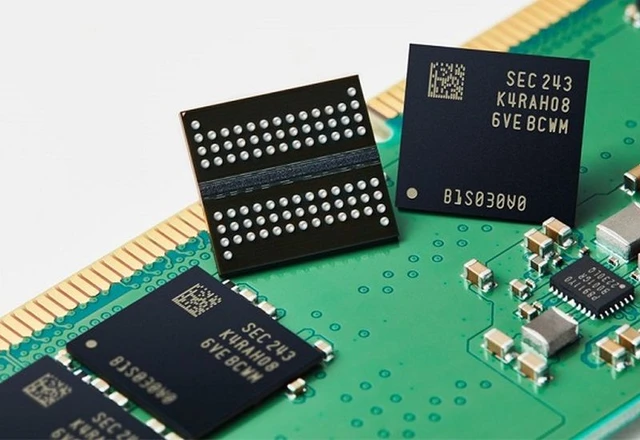
The global memory industry is currently navigating a period of profound turbulence. In a strategic move to mitigate risk, South Korean giant SK hynix, operating through its subsidiary Solidigm, has begun scouting locations for a NAND flash fabrication plant within the United States. This initiative is far from arbitrary: Solidigm was established in late 2021 following a massive transaction in which it absorbed Intel's flash memory and SSD business units.
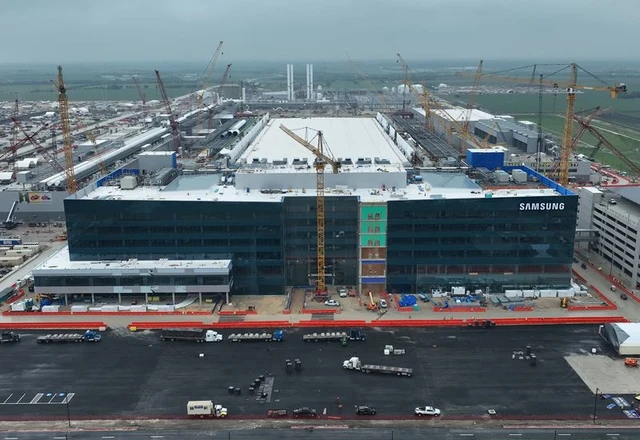
Historically, Solidigm’s manufacturing footprint was heavily anchored in China. Its primary capacities were centered in Dalian—at a facility formerly owned by Intel and transferred to the new entity over six years ago. While the company is headquartered in California, granting it the formal status of a US enterprise, actual production remained concentrated offshore. This dynamic is now shifting, with New York State emerging as the most probable candidate for the new facility.
Simultaneously, another strategic thread is unfolding. SK hynix itself has expressed interest in Intel's burgeoning facilities in Ohio. Although the pursuit of a Solidigm plant and the interest in Ohio are moving along separate tracks, they converge on a single objective: the establishment of a resilient, domestic manufacturing ecosystem within the US.
For SK hynix, this maneuver creates a significant tension in priorities. On one hand, the company is bound by stringent commitments to expand capacity within South Korea. On the other, it faces mounting pressure from US regulators. Washington is determined to reshore the semiconductor industry, recognizing that relying solely on Micron Technology to secure memory supplies is an insufficient strategy.
However, the pivot toward US-based production brings formidable economic headwinds. The cost of manufacturing memory in the US will inevitably exceed that of South Korea or China, potentially eroding product margins. Consequently, the decision to build a plant is less about profitability and more about corporate survival and the mitigation of geopolitical risks. While SK hynix leadership continues to evaluate ways to maintain competitiveness—keeping final decisions out of the public eye—the strategic trajectory has already been set.

 Forecasting Exponential Growth in Nvidia Shipments