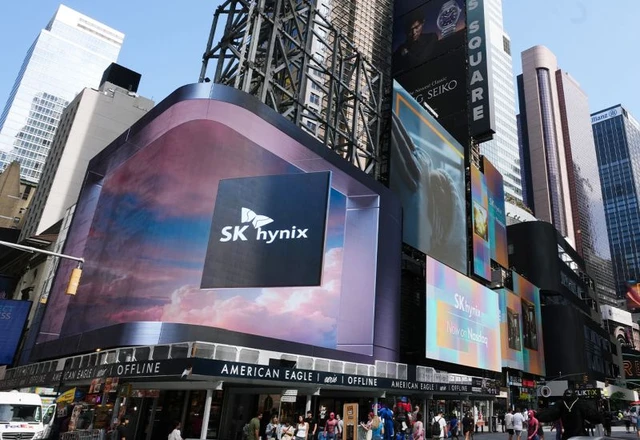
The era of artificial intelligence has evolved beyond a mere technological arms race, transforming into a large-scale redistribution of capital. While some nations explore the concept of "AI social dividends," corporations are facing mounting pressure from investors demanding a fair share of these windfall profits. South Korean powerhouse SK hynix has responded to this shift by initiating one of the most ambitious shareholder return programs in its corporate history. This move signals a strategic pivot from sporadic incentives toward a systemic approach to shareholder value management.
The global surge in generative AI has created a unique economic landscape, placing high-performance memory manufacturers at the epicenter of massive capital flows. Within the industry, a sharp conflict of interest has emerged: the company must balance the need to reward the talent driving technological breakthroughs in memory production with the demands of external stakeholders.
The solution to this equation is an aggressive $29 billion share buyback program scheduled for August 19–20. Following the buyback, these shares will be canceled, automatically increasing the ownership stakes of remaining shareholders and providing an additional catalyst for asset appreciation. However, behind this headline figure lies a more profound strategic shift.
SK hynix has formally committed to revising its approach to Free Cash Flow (FCF) distribution, increasing the portion allocated to investors to over 50%—a significant jump from previous levels. From a financial analysis perspective, this structural transition is the truly fundamental development. While a one-time buyback acts as a short-term catalyst, altering the income distribution norm establishes a long-term mechanism for maintaining the company's market appeal.
The market responded instantly: the company's American Depositary Receipts (ADRs) climbed 7.1% even before the US market opened. Notably, this maneuver coincides with the company's aggressive expansion into US financial markets, where it recently raised $26.5 billion in capital.
Nevertheless, the professional community is urging cautious optimism. Analysts emphasize that the impact of share buybacks is inherently transitory. In the long run, the price action for memory manufacturers will be driven less by internal corporate programs and more by macroeconomic drivers—primarily the policies of major central banks and the trajectory of key interest rates.
Ultimately, SK hynix is attempting to strike a delicate balance between meeting short-term market expectations and building a sustainable financial model that ensures competitiveness amidst the high volatility of the technology sector.
 Anthropic’s Strategic Push for Hardware Independence