In an age of ubiquitous cloud storage and seamless streaming, classic data compression utilities remain a cornerstone of digital hygiene. The release of WinRAR 7.23 reaffirms the software's position as one of the most enduring fixtures in the history of personal computing. This latest iteration prioritizes critical security enhancements, neutralizing attack vectors leveraged through maliciously crafted archives. The update arrives amidst an intensifying tug-of-war between proprietary standards and open-source implementations within the contemporary technology stack.
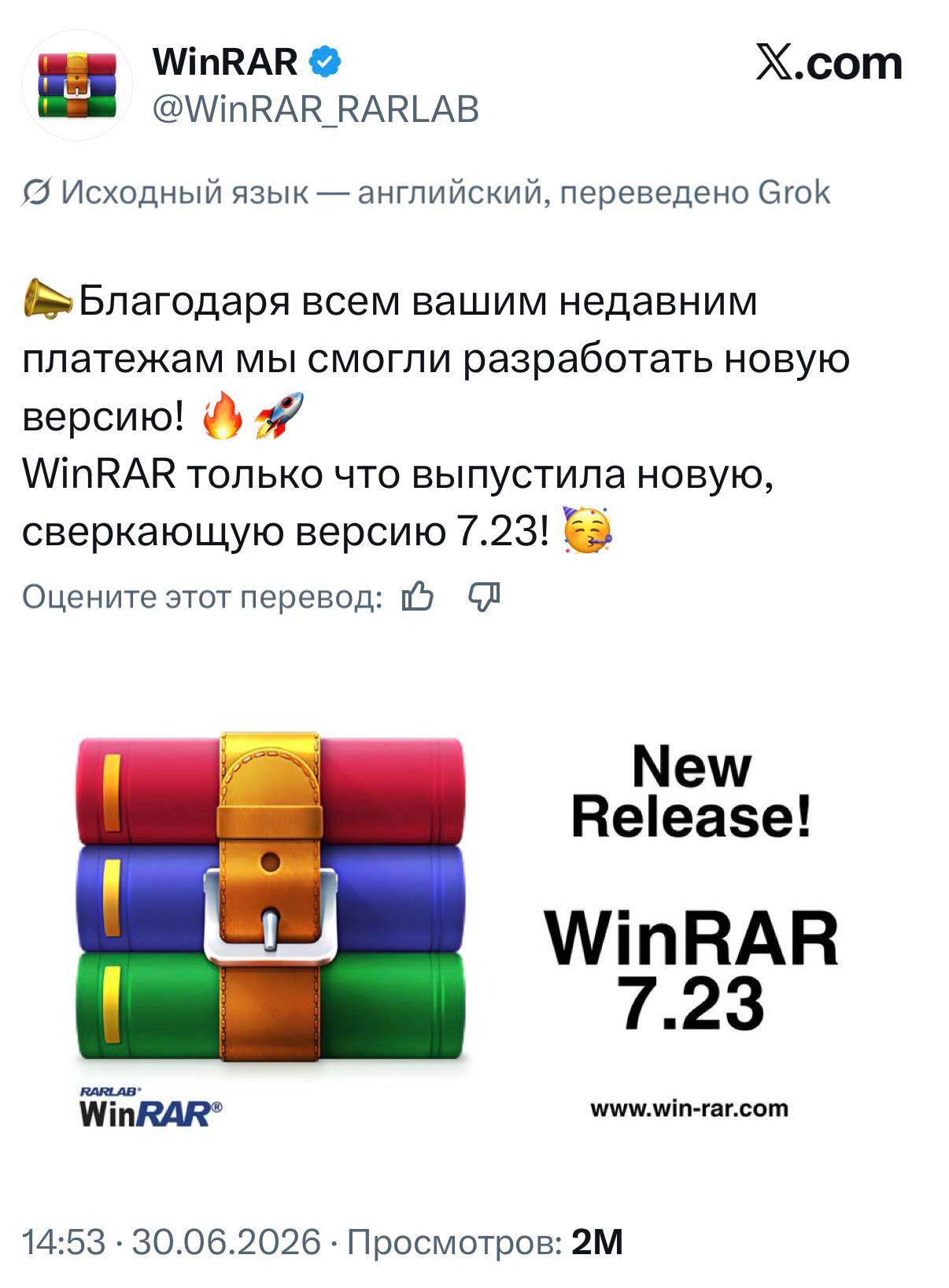
At the close of June 2026, RARLAB released an update for WinRAR and its command-line counterpart, RAR, bringing both to version 7.23. This release spans nearly every relevant platform, from Windows, macOS, and Linux to Android and FreeBSD. While categorized as a minor update, it addresses fundamental data processing security—a critical priority for software that has remained the industry's de facto standard for decades.
The primary focus of version 7.23 is the mitigation of severe vulnerabilities. Specifically, developers have patched a heap overflow error within the RAR5 recovery volume code. Such flaws are particularly dangerous as they can be exploited to achieve remote code execution (RCE) during the restoration of a corrupted archive. Notably, the UnRAR.dll library remains untouched, as it does not natively support the processing of recovery volumes.
Simultaneously, a flaw involving symbolic links has been resolved. Previously, there was a risk of "escaping" the target folder when extracting a specially crafted archive, opening the door to path traversal attacks. A new verification mechanism has been implemented to block any attempts to place files outside the designated directory, even if the extraction command is executed repeatedly.
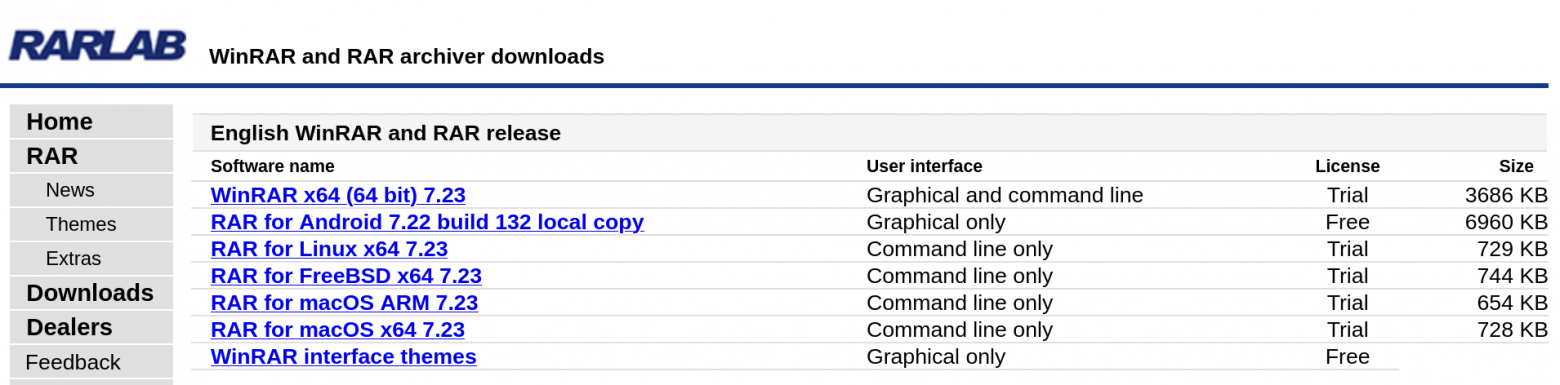
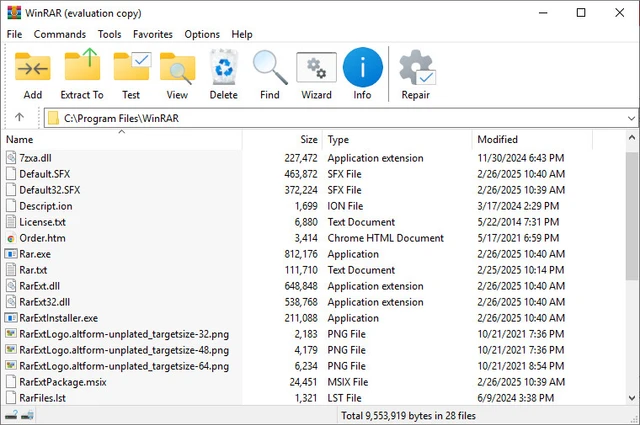
WinRAR's technological stack continues to evolve through the integration of third-party solutions. Specifically, the 7zxa.dll library has been updated to version 26.02, allowing the software to inherit the latest bug fixes and security patches from the 7-Zip developers. Additionally, several cosmetic and functional refinements were made to the command-line interface: the -iver flag now correctly displays the program version even when output suppression (-idc) is active, and the version output now includes a newline character for better readability within automated scripts.
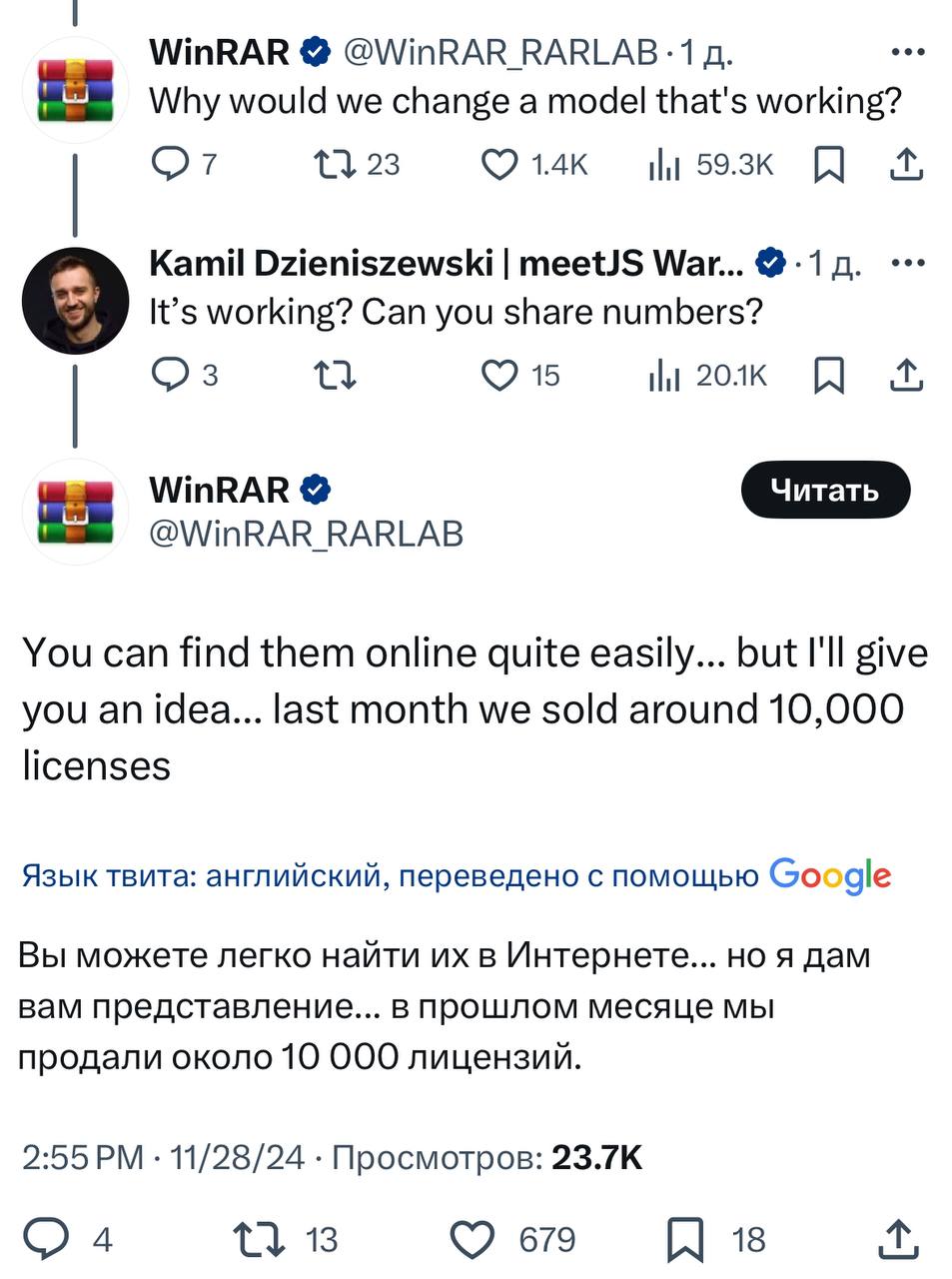
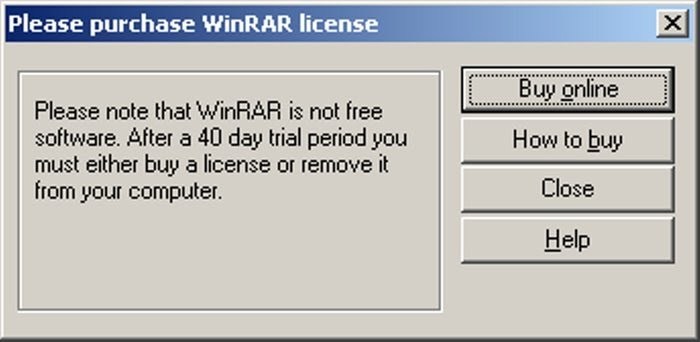
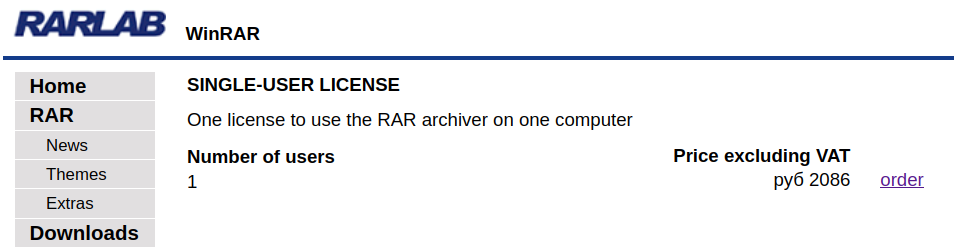
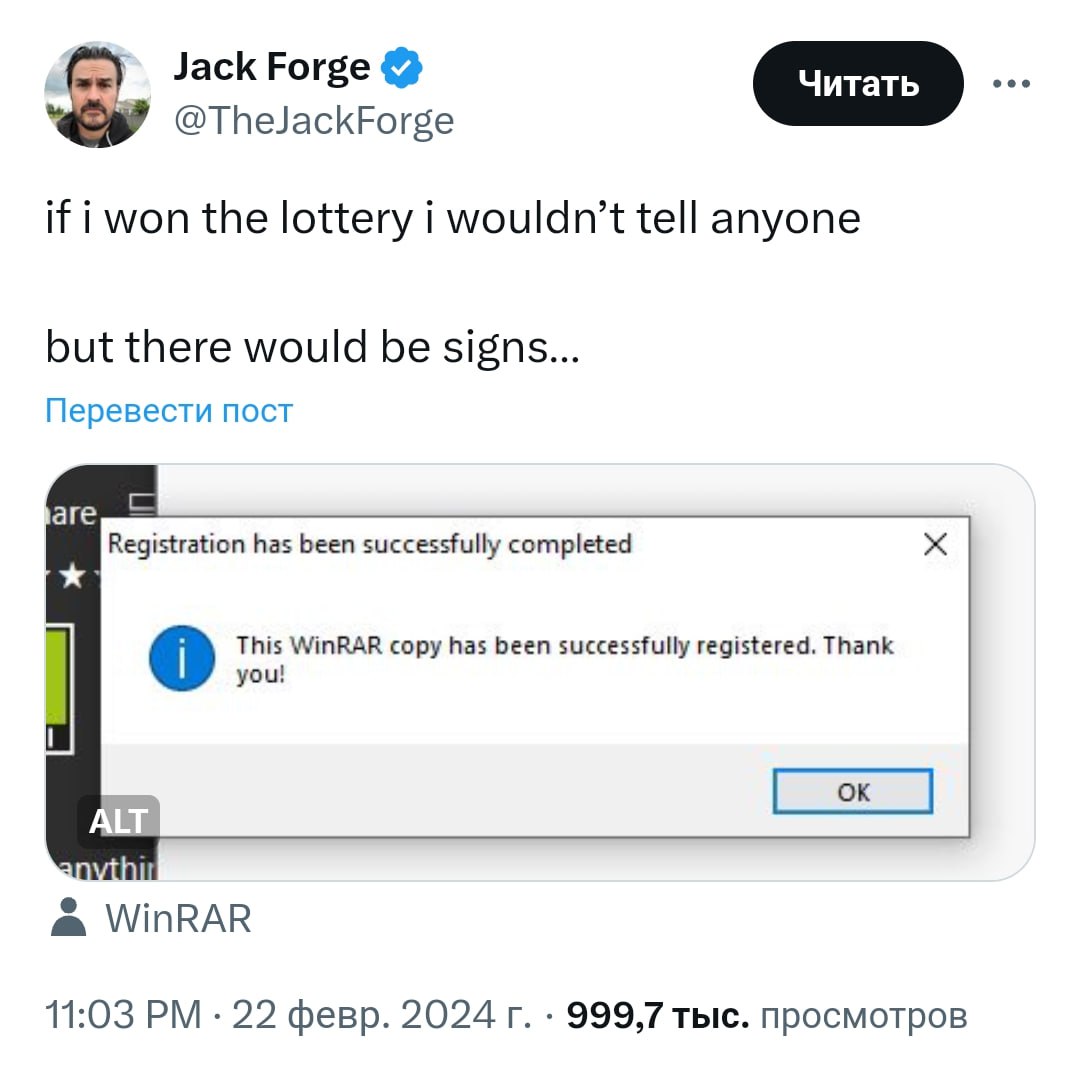
The phenomenon of WinRAR lies not only in its technical reliability but also in its unique business model. Despite the ubiquity of its free trial, the product maintains strong commercial appeal, with users purchasing approximately 10,000 licenses per month. This conservative approach to monetization is complemented by an unexpectedly vibrant SMM presence on X (formerly Twitter), where the team personally thanks every buyer, turning the purchase of a legacy archiver into a kind of ritual of digital solidarity.
The product's history serves as a chronicle of operating system evolution. WinRAR survived the eras of Windows 95, 98, and NT, gradually phasing out support for obsolete platforms. In January 2022, the graphical interface of version 6.1 officially ended support for Windows XP, raising the minimum requirement to Windows Vista. Nevertheless, the command-line Rar.exe maintains compatibility with XP, ensuring operationality within specific legacy environments.
Security remains the primary challenge for RARLAB. A notable example is the critical vulnerability CVE-2023-40477, patched in version 6.23, which allowed attackers to silently execute malicious code upon opening an archive. It is precisely these incidents that drive users to update and underscore the necessity of regular patching, even for software that appears simple on the surface.
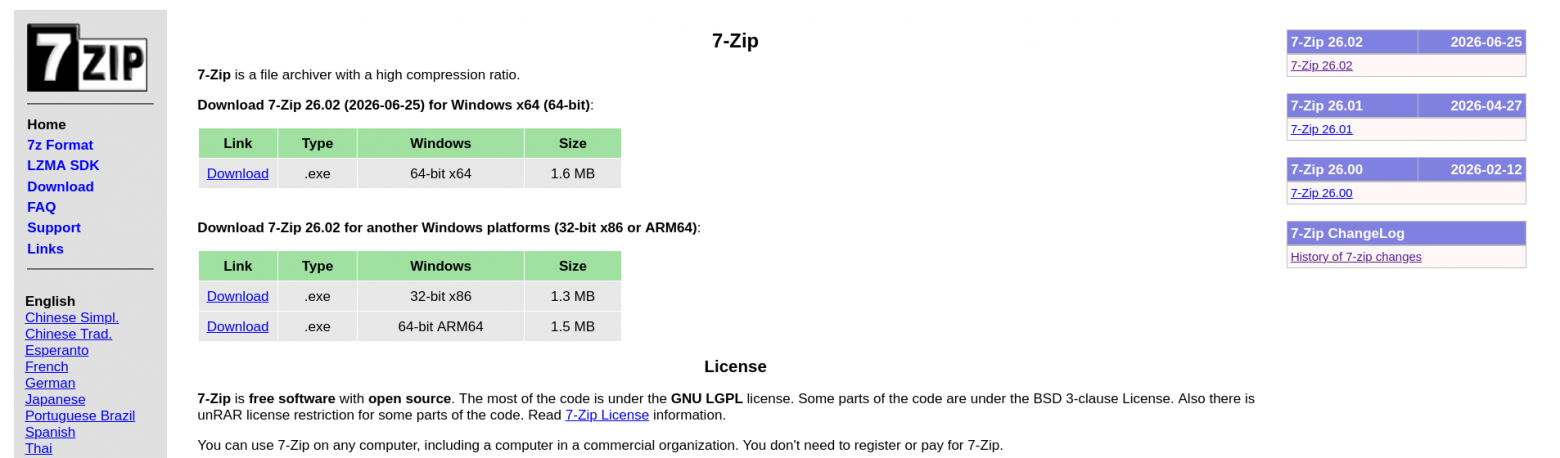
Alongside the WinRAR update, there has been significant activity in the Open Source segment. Igor Pavlov released 7-Zip 26.02—a project that has remained the primary competitor to proprietary archivers since 1999. Written in C++ and available in 87 languages, 7-Zip continues to set the benchmark for open-source compression efficiency.
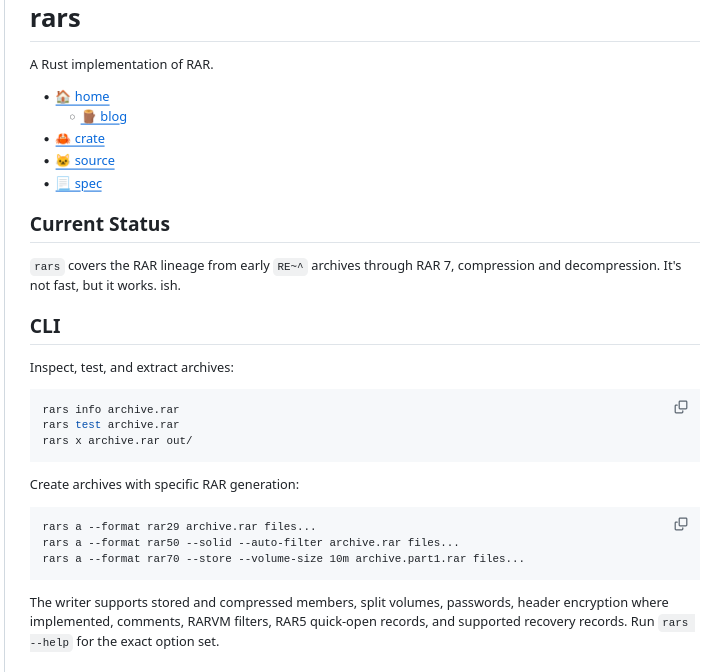
However, the most intriguing development is the emergence of rars, a free implementation of RAR written in Rust. This tool supports not only extraction but also archive creation, covering everything from legacy 1.3/1.4 formats to the modern RAR 7 standard. The choice of Rust is strategic, leveraging the language's memory safety guarantees—a critical advantage when parsing complex binary structures.
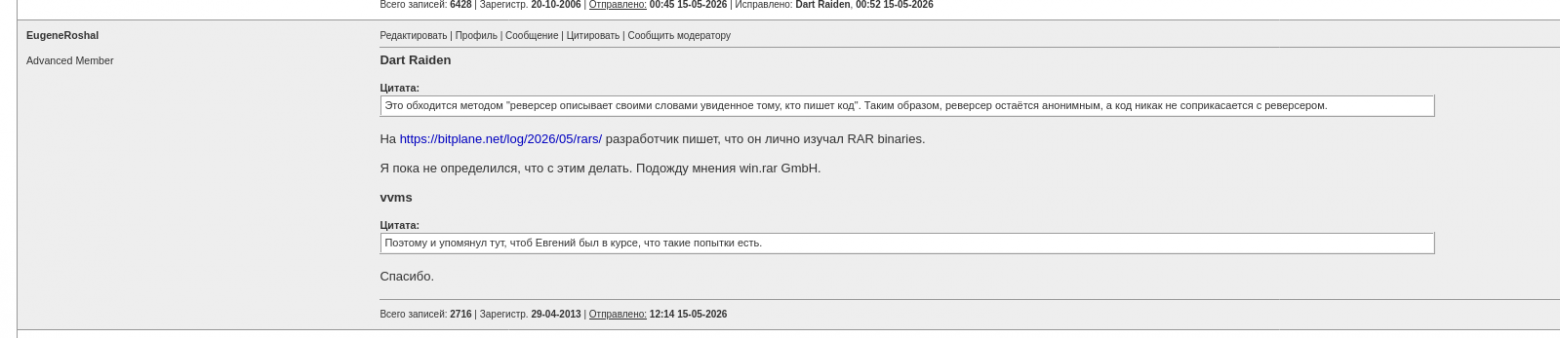
The arrival of rars has sparked a mixed reaction from WinRAR creator Eugene Roshal. The core of the conflict lies in the development methodology: rars was created using reverse engineering of old binary files, a practice explicitly prohibited by the RARLAB license agreement. For now, the situation remains unresolved; Roshal is awaiting an official position from win.rar GmbH before taking further action.
 The Price of Acceleration: CXMT’s Rapid Push into Memory