The global semiconductor market is undergoing a profound transformation, where capacity constraints have emerged as the primary lever of strategic influence. For years, Samsung Electronics has operated in the shadow of the dominant TSMC, striving to close the technological divide in lithography. However, current market dynamics are enabling the South Korean giant to rewrite the rules of engagement and aggressively monetize surging demand. The upward revision of foundry pricing signals a strategic pivot toward capturing the high-growth segments of AI and high-performance computing.
For years, the contract chip manufacturing industry has been defined by a rigid hierarchy: TSMC stood as the uncontested hegemon, while Samsung Electronics played the role of the perpetual challenger. However, the ongoing global semiconductor shortage has shifted the balance of power, granting Samsung a strategic window to significantly boost the profitability of its foundry services. This month, the company initiated a notable price hike, with rates increasing by an average of 15%.
The most significant shifts are evident in the 4nm process segment for US-based customers, where costs have climbed by 10–15% compared to the previous month. The situation for Chinese clients is even more acute; hampered by restricted access to cutting-edge technology domestically, Chinese firms are essentially willing to pay any premium to secure Samsung's capacity. Nevertheless, the Korean giant must navigate a delicate balance between maximizing profit and managing geopolitical volatility, prioritizing US orders while reserving a substantial portion of its lines for internal requirements.
Samsung’s pricing strategy is nuanced, varying by region and technological maturity. For Taiwanese clients—who maintain direct access to TSMC—price increases have been more moderate, ranging from 5% to 10%. Meanwhile, production costs for the 5nm process have risen by 10–15%, and the more mature 8nm standard has seen a 10% increase. Despite these gains, the disparity in market share remains stark: while TSMC controls approximately 70% of the global market by revenue, Samsung's foundry division accounts for only about 7%. The technological lead held by the Taiwanese firm also remains pronounced, as they have already begun introducing 2nm solutions to the market.
Samsung's strategic pivot is now focused on a fundamental overhaul of its revenue structure. By the end of the current year, the company intends to increase the share of revenue from advanced process nodes to 50% of its total volume. Particular emphasis is being placed on the High-Performance Computing (HPC) and Artificial Intelligence sectors, which are projected to drive up to 30% of revenue—a significant leap over last year's figures.
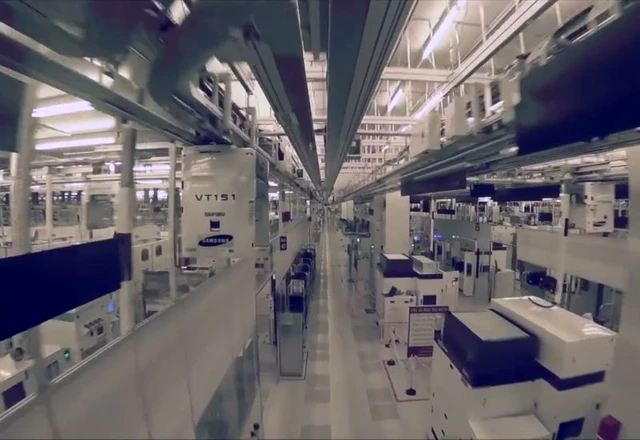
Production facilities in Pyeongtaek have been operating at peak capacity since the end of last year. This site is the hub for not only Qualcomm's 4nm chips but also the critical base dies for next-generation High Bandwidth Memory (HBM) stacks. HBM has become the "gold standard" for modern AI accelerators, positioning Samsung as a pivotal player in the neural network supply chain.
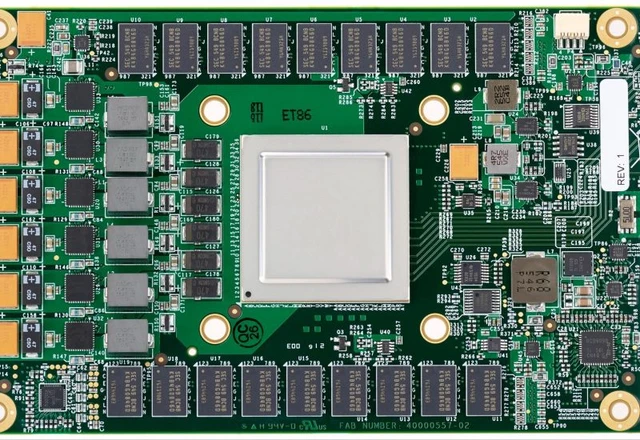
This transformation has already drawn the interest of the world's largest tech titans. Apple and Tesla have joined Samsung's client list, followed by Broadcom and Nvidia. There is also a strong likelihood that Google will migrate the production of its specialized silicon to the Korean giant's 4nm lines. Analysts believe that the combination of acute capacity shortages and optimized pricing will allow Samsung's foundry business to achieve stable profitability by next year, ensuring double-digit revenue growth compared to the previous period.
 The Price of Acceleration: CXMT’s Rapid Push into Memory