The premium audio market has evolved into a high-stakes battleground, where the primary weapons are cutting-edge noise cancellation and an uncompromising pursuit of sonic purity. For years, Samsung strategically prioritized the evolution of compact TWS solutions, effectively ceding the full-size flagship territory to its rivals. Recent leaks, however, suggest a strategic pivot, signaling the tech giant's return to the over-ear premium segment. The arrival of the Galaxy H1 could prove to be a watershed moment, redefining Samsung's philosophy toward high-fidelity audio engineering.
The personal audio landscape has evolved dramatically, transitioning from rudimentary wired peripherals to sophisticated ecosystems powered by active noise cancellation and artificial intelligence. Samsung’s trajectory, however, has been less linear. Following the release of the Level On in 2015, the company effectively retreated from the over-ear market, pivoting its resources toward the Galaxy Buds lineup. Even the strategic acquisition of Harman—a global titan in acoustic engineering—failed to yield a direct premium challenger to the AirPods Max or Sony’s WH-1000XM series.
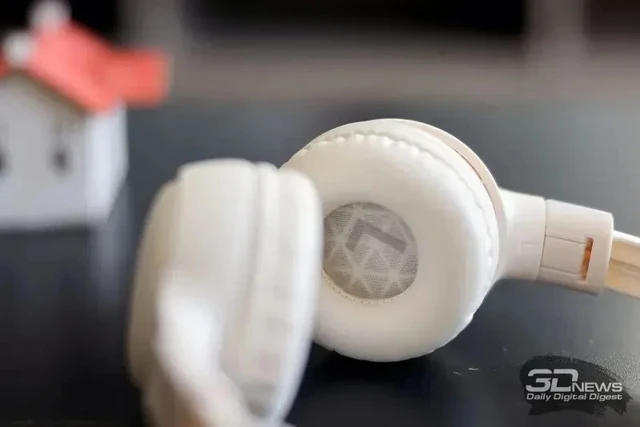
The tide began to turn following a deep dive into the Galaxy Wearable app's source code. Analysts uncovered interface elements explicitly referencing a new device codenamed "Galaxy H1." Schematic renderings and connectivity parameters confirm that Samsung is indeed developing a pair of full-size Bluetooth headphones. While the final industrial design may still evolve, the presence of dedicated software infrastructure signals a concerted effort to re-enter the segment.
The technological stack of the Galaxy H1 promises to be formidable. A cornerstone of its audio architecture will be the proprietary Samsung Seamless Codec Ultra High Quality (SSC UHD). In the realm of digital audio, the codec dictates the efficiency of data compression and wireless transmission without compromising fidelity. SSC UHD is engineered to deliver maximum sonic detail; however, this privilege will be reserved for owners of contemporary Samsung devices released from 2023 onwards—a move that underscores the company's commitment to deep vertical integration.
Beyond raw acoustic performance, Samsung is betting heavily on the intellectualization of the user experience. The Galaxy H1 is poised to become a primary interaction hub for AI assistants like Gemini and Bixby. Integration with the latest iteration of Bixby—now a fundamental component of the One UI 8.5 ecosystem—will transform these headphones from a mere accessory into a comprehensive interface for managing the user's digital environment.
Despite the evident potential, a significant window remains before the device hits the shelves; preliminary data suggests a launch as late as 2027. Such an extended development cycle likely stems from a quest for the perfect equilibrium between ergonomics, material science, and cutting-edge signal processing algorithms. Samsung isn't merely looking to enter the market—it is aiming for total dominance.
 Anthropic’s Strategic Push for Hardware Independence