The foldable device market has long since evolved beyond its experimental phase, maturing into a cornerstone of the premium technology sector. In the relentless pursuit of ergonomic perfection and enhanced functionality, Samsung continues to dictate the trajectory of the entire industry. Recent leaks have unveiled details regarding the next generation of hardware, promising a fundamental rethink of the traditional "book-style" foldable form factor. This is not merely a routine technical refresh; it is a strategic quest for the optimal equilibrium between portability and usable screen real estate.
Samsung's evolution of foldable devices is reaching a pivotal inflection point. According to recent data, the Galaxy Z Fold8 will undergo a significant redesign, becoming noticeably wider and shorter. This shift in geometry is designed to address one of the primary pain points of book-style foldables: the overly narrow aspect ratio of the cover screen, which often hinders natural typing and compromises the user experience when the device is closed.
The hardware architecture of the new Fold8 is built around the Qualcomm Snapdragon 8 Elite For Galaxy chipset. The use of this bespoke processor iteration implies deep power optimization and boosted clock speeds—factors critical for managing heavy multitasking on a large-scale display. This synergy between optimized silicon and refined software allows the device to achieve impressive endurance, offering up to 26 hours of continuous video playback.
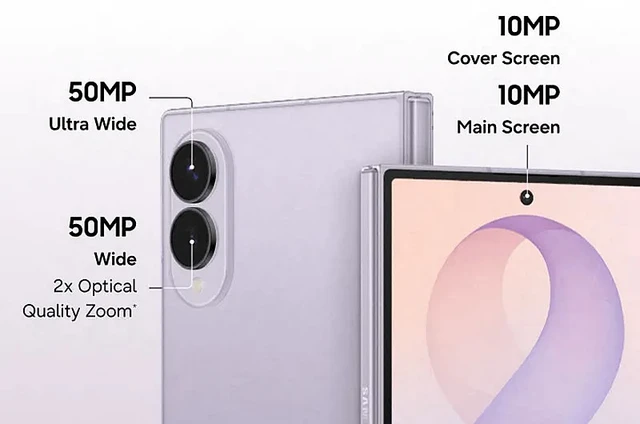
The Fold8's imaging pipeline also receives a substantial upgrade. Both the primary and ultra-wide modules now boast 50MP resolutions, ensuring high detail even in challenging lighting conditions. For selfies and video conferencing, two 10MP front-facing cameras have been integrated into the device's overall design language.
Parallel to the main Fold8, Samsung is diversifying other branches of its lineup. The Galaxy Z Flip8 continues to double down on its compact ethos but with a newfound emphasis on stamina, now equipped with a 4,300 mAh battery. Its camera array remains more modest—a 50MP main sensor complemented by a 12MP auxiliary module and a 10MP front camera—providing ample capability for daily tasks and social content creation.
The most compelling addition, however, is the Galaxy Z Fold8 Ultra—an uncompromising powerhouse that effectively ports the capabilities of the S Ultra series into a flexible form factor. It features a massive 5,000 mAh battery, delivering up to 27 hours of video playback. Yet, its crowning achievement is the camera system: a 200MP primary sensor paired with a 50MP module and a 10MP telephoto lens, transforming the foldable smartphone into a legitimate tool for professional mobile photography.
Ultimately, Samsung is pivoting from a strategy of a single universal device toward strategic product segmentation. Users can now choose between the ergonomic Fold8, the compact Flip8, or the technological zenith represented by the Ultra version. This approach allows Samsung to cover a comprehensive spectrum of user needs—from basic mobility to high-intensity productivity and professional content creation.
 Stratospheric Platforms for Global Coverage