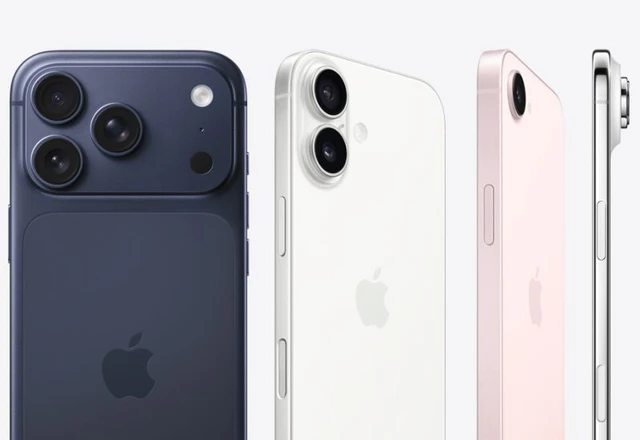
The foldable market is transitioning from an era of experimentation into a phase of mature technological dominance. The latest Galaxy Z Fold8 Ultra stands as the culmination of this evolution, fusing uncompromising performance with breakthroughs in material science. Through this device, Samsung seeks to obliterate the boundary between smartphone portability and the utility of a full-scale workstation. This is more than a mere iterative upgrade; it is a bold attempt to reimagine the very concept of the mobile interface.
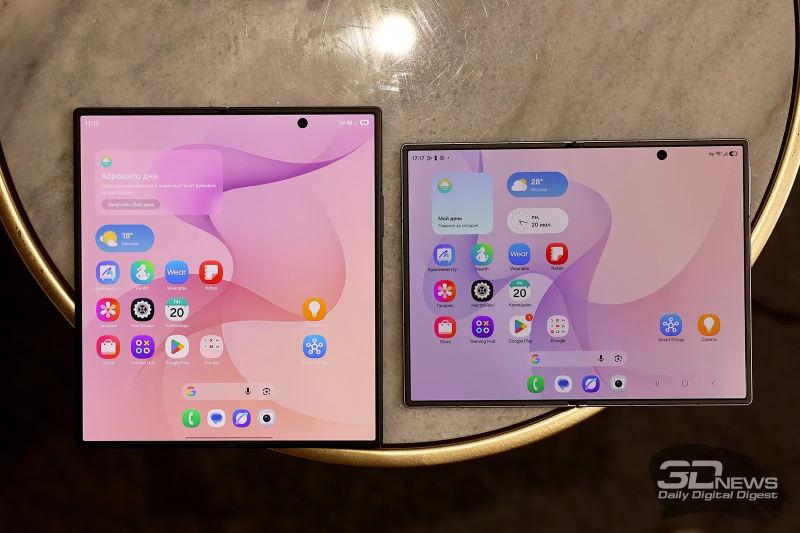
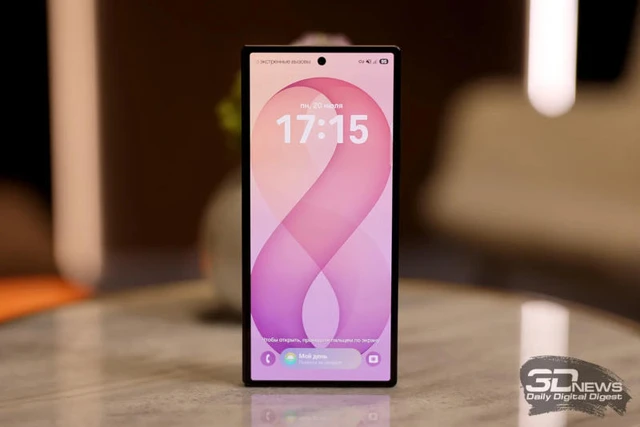
The unveiling in London marked the debut of the Galaxy Z Fold8 Ultra, a device that sits at the absolute zenith of the company’s foldable hierarchy. Diverging from its more compact counterparts, the Ultra retains the classic "book" form factor, offering users a seamless synergy between two distinct planes: a 6.5-inch cover display and a nearly square 8-inch internal canvas.
Visual fidelity is driven by cutting-edge AMOLED panels featuring a 120Hz refresh rate. The external module boasts a resolution of 1080 × 2520 pixels, while the interior expands to 2256 × 2504 pixels. Of particular note is the peak brightness of 3,000 nits, ensuring flawless legibility even under direct sunlight and transforming the screen into a high-precision instrument for color-critical work and graphic design.
The smartphone's imaging suite has been elevated to professional cinematography standards. At its core is a 200MP primary sensor, complemented by a 50MP ultra-wide lens and a 10MP telephoto module. The computational pipeline enables 8K HDR video recording, while the integration of Cine LUTs and support for the APV codec unlock deep cinematic color grading directly on the device. For selfies and video conferencing, discreet 10MP modules are integrated into both displays.
Under the hood, the device is powered by a specialized iteration of the Qualcomm Snapdragon 8 Elite Gen 5, optimized specifically for the Galaxy ecosystem. This processing power is bolstered by an impressive memory configuration—up to 16GB of RAM—and storage capacities reaching 1TB, effectively turning the device into a full-fledged mobile workstation for heavy multitasking.
The engineering breakthrough is most evident in the device's physical architecture. When unfolded, the chassis achieves a record-breaking thickness of just 4.1mm, all while maintaining an IP48 rating and water resistance up to 1.5 meters. The pivotal innovation here is "Flex Titanium" technology: the use of titanium films and plates within the display structure has allowed for a significant reduction in panel thickness without compromising structural integrity or long-term durability.
Power management is handled by a 5,000 mAh battery featuring a dual-channel 45W charging system that efficiently distributes load across cells. To mitigate thermal throttling during intensive computational tasks, engineers have increased the volume of the graphite layer within the cooling system by 7%, ensuring stable clock speeds even under peak loads.
The software ecosystem is powered by Google Android 17, fortified by the Samsung Knox security platform. A primary focus has been placed on the integration of AI from both Google and Samsung; these algorithms are deeply optimized for the nuances of the foldable interface, introducing entirely new paradigms for data interaction.
The Galaxy Z Fold8 Ultra arrives in three sophisticated hues: Purple, Cream, and Graphite. The pricing reflects its premium status, scaling according to the chosen memory configuration, further cementing the model's position as an elite instrument for those who find the capabilities of a standard smartphone insufficient.
 Energy Autonomy: The Extreme Edition