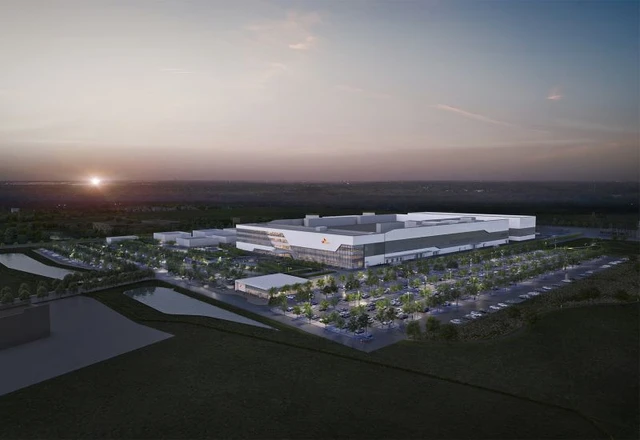
The AI boom is driving an unprecedented expansion of physical infrastructure. While data centers have served as the bedrock of this revolution, their maintenance has, until now, remained dependent on manual human intervention. Meta is now pivoting toward a strategy of comprehensive hardware automation, deploying robotic systems to manage server maintenance. This shift signals the dawn of an era in which the physical layer of the internet becomes entirely autonomous.
The contemporary AI arms race has birthed a striking paradox: as algorithms become increasingly abstract and intelligent, the demand for the raw physical power required to sustain them continues to surge. Meta is currently aggressively testing a fleet of robots designed to shoulder the mundane operational burdens of data center management—ranging from cable routing and component replacement to simple server reboots. The company’s arsenal includes solutions from Watney Robotics, Kinova, and ABB. For instance, the Kinova Gen3 manipulator is already being deployed for remote power management. In some cases, automation has reached a peak of minimalism, utilizing simple mechanical devices that merely simulate the physical act of pressing a power button.
The implications of this transformation are profound: if successfully implemented, robotics could absorb up to 80% of the technical staff's workload. Despite official narratives regarding a talent shortage in the US and the purported need to expand headcount, internal apprehension is mounting. Employees are realizing that automation is encroaching not only upon intellectual labor but upon physical toil as well. Furthermore, even if a total human replacement does not occur overnight, the company gains the leverage to hire less skilled personnel at lower pay grades, delegating complex operations to machines.
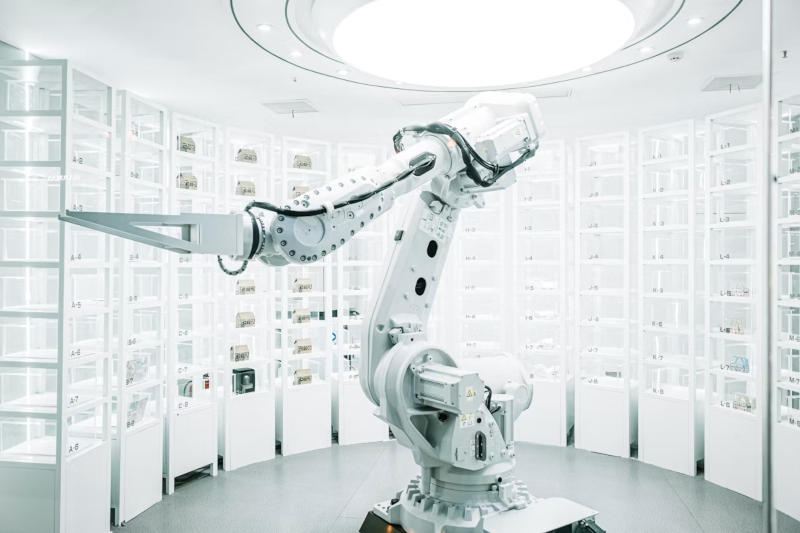
For years, the technical bottleneck hindering data center robotics was the high cost of hardware and the inherent risk of damaging expensive equipment. However, advancements in computer vision models and the plummeting cost of sensors have shifted the paradigm. Today, startups are developing systems capable of fully assembling server racks and conducting comprehensive inventory audits. In the long term, such autonomy will enable the deployment of computing power in extreme environments—underwater or in space—where human presence is either technically impossible or economically unjustifiable.
Yet, the practical implementation of these concepts is colliding with the harsh reality of the "last inch." At Meta's massive complex in Iowa, autonomous tugs for transporting racks and wheeled scanners for equipment tracking are already operational. However, their efficiency remains limited. For example, the use of monochrome cameras leaves robots "blind" to the color-coded LED indicators on servers, while physical obstacles—such as cables trailing across the floor—become insurmountable barriers for wheeled platforms. Moreover, inter-building logistics still require human intervention to open doors and coordinate traffic.
This competition is global in scale, with Microsoft, Google, and Amazon developing their own robotics programs. At the Prometheus data center in Ohio, ABB six-axis manipulators equipped with scissor lifts are used for part replacement. Nevertheless, the core challenges remain unchanged: prolonged charging cycles and hardware that lacks standardization for robotic interaction.
The latest generation of supercomputers, such as the Nvidia GB300, presents a particular hurdle. Their architecture was engineered for human ergonomics, allowing a technician to complete an operation in minutes. Robots currently struggle with the intensive cable management required by such systems. This suggests that the industry is on the cusp of a fundamental paradigm shift: the hardware of the future will not be designed for humans, but specifically tailored to the capabilities and kinematics of robots.
 Nvidia’s Technological Pragmatism in the Open-Model Race