The wearables market is witnessing a fundamental paradigm shift toward unobtrusive design and deep-tier health monitoring. Driven by the ascent of screenless devices—most notably smart rings—Apple is preparing for the most radical strategic pivot in the history of the Watch lineup. This is not merely a matter of incremental updates; it is a complete reimagining of the user interaction philosophy. Such a transformation could well define the trajectory of personal healthcare for the next decade.
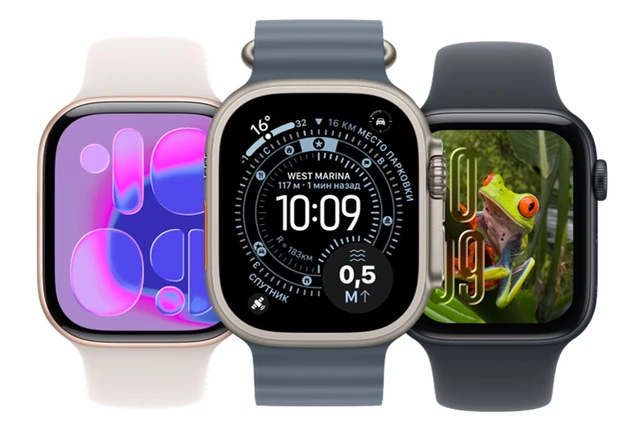
For years, the Apple Watch has stood as the benchmark for design conservatism: its rectangular chassis and specific feature set became the brand's visual shorthand, remaining virtually untouched since the launch of Series 1. However, the evolving landscape of wearables is rewriting the rules. The emergence of devices like the Oura Ring—which prioritizes maximum comfort and biometric precision over a display—has prompted Cupertino to reconsider the fundamental principles of its hardware.
Internally, Apple is actively exploring new form factors. The focus has shifted beyond traditional wristwatches to include circular displays and entirely screenless fitness wearables. Such a pivot would signal a definitive break from long-standing tradition, acknowledging that a screen is not always an essential element for effective health monitoring.
Alongside the physical evolution comes a cognitive shift. Apple plans to deeply integrate artificial intelligence into the Health app, transitioning from simple metric aggregation to predictive analytics. The goal is for AI to move beyond merely flagging irregularities in heart rate or sleep patterns to offering personalized lifestyle interventions—effectively evolving the watch from a notification hub into a comprehensive digital health assistant.
The product roadmap also points toward more aggressive market segmentation. Apple is weighing the introduction of both accessible, budget-friendly versions for the mass market and ultra-premium flagships. This approach would allow the company to address a broader spectrum of user scenarios, ranging from basic fitness tracking to professional-grade health monitoring wrapped in luxury materials.
Among the most anticipated revivals is the return of ceramic. This material, which provided exceptional durability and a premium aesthetic for the Apple Watch Edition Series 5, vanished from the lineup back in 2020. A resurgence of the ceramic chassis could be imminent, catering to a demographic for whom titanium or aluminum no longer suffices.
Despite the ambition of these plans, a radical overhaul will not happen overnight. The engineering and testing of new form factors are time-intensive processes; consequently, it may be several years before devices with fundamentally different aesthetics hit the market. Nevertheless, the trajectory is clear: Apple is striving for a wearable ecosystem where form follows function, and technology becomes seamlessly invisible to the user.
 The Evolution of Apple's Augmented Reality Ecosystem