The competitive fighting game scene demands absolute precision and near-zero input latency. In this high-stakes environment, peripherals serve as a direct extension of the player's reflexes, where mere milliseconds dictate the outcome of a match. Sony’s ambitious FlexStrike controller was poised to redefine interaction standards for both PS5 and PC users; however, the pursuit of technical perfection has collided with manufacturing realities, forcing a postponement of the device's launch date.
In the realm of competitive gaming, hardware is more than an accessory—it is a critical determinant of performance. For fighting game enthusiasts, standard controllers often become bottlenecks due to input constraints and the inherent latency of wireless protocols. The FlexStrike was conceived as the definitive answer to this challenge, fusing the ergonomics of a console controller with the surgical precision of an arcade cabinet.
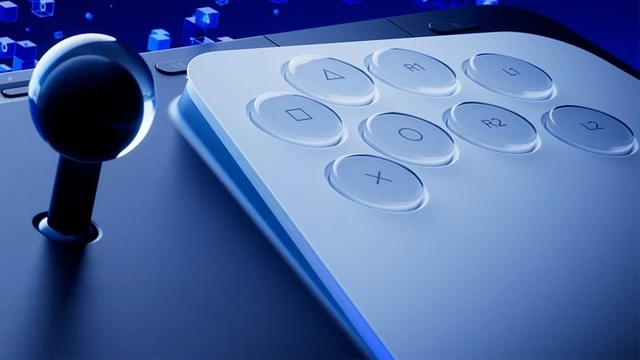
The device's engineering profile reveals a meticulous attention to detail. The faceplate features eight mechanical buttons that deliver crisp tactile feedback and significantly extend the hardware's lifespan compared to traditional membrane switches. Particularly noteworthy is the joystick system, which utilizes three distinct restrictor shapes, allowing players to calibrate the range of motion to suit specific playstyles or character archetypes. To ensure maximum stability during high-intensity encounters, a layout lock function has been integrated to eliminate accidental inputs.
The FlexStrike’s primary technological edge lies in its support for PlayStation Link. Unlike standard Bluetooth, this proprietary protocol delivers ultra-low latency, effectively erasing the performance gap between wired and wireless connections. This positions the device as a legitimate esports tool for both PlayStation 5 and PC—though PC compatibility is slated for a phased rollout following the initial launch.
The original go-to-market strategy was tightly synchronized with the release of Marvel Tōkon: Fighting Souls. The plan envisioned a simultaneous launch on August 6, 2026, creating a powerful synergy between specialized hardware and new software. Pre-orders, which opened in June at a price point of $200, underscored the significant market appetite for professional-grade peripherals.
However, manufacturing hurdles have necessitated a shift in timeline. Official communications regarding the delay cite the need for further refinement to achieve a gold standard of user experience. In the high-stakes world of premium peripherals, even a minor touch-panel glitch or microscopic stick wobble can lead to severe reputational damage; thus, the decision to delay appears strategically sound.
Currently, precise release dates remain fluid. While the launch window for Marvel Tōkon: Fighting Souls remains intact, major retailers like Amazon are utilizing placeholders (such as December 31, 2026) that are not yet definitive. Alongside the FlexStrike, the company is expanding its broader ecosystem with the Pulse Elevate line of monitors and audio systems, signaling an ambition to create a holistic gaming environment where every component operates within a unified technological stack.
 The Foldable iPhone: A New Chapter for Apple