The original Sony PlayStation didn’t just define the era of 3D gaming; it pioneered it. Yet, for decades, its capabilities were seen as strictly bound by factory specifications. In particular, the system's 2MB of RAM was long regarded as an insurmountable ceiling for consumer hardware of that period. However, contemporary research by enthusiasts has revealed that the silicon possessed far more headroom than official documentation ever suggested. Unlocking these latent capabilities opens new frontiers for the preservation and modification of this seminal gaming legacy.
The history of the gaming industry is often a study in hidden potential—capabilities baked into the silicon but intentionally throttled by manufacturers to optimize production costs or enforce market segmentation. The original PlayStation serves as a textbook example of this approach. It has emerged that the console's CPU was natively capable of addressing significantly more memory than the 2 MB available to users in 1994. This capability was already implemented in Sony's arcade platforms, and it was through the study of these professional-grade boards that modern modders discovered a pathway to expanding the home system's resources.
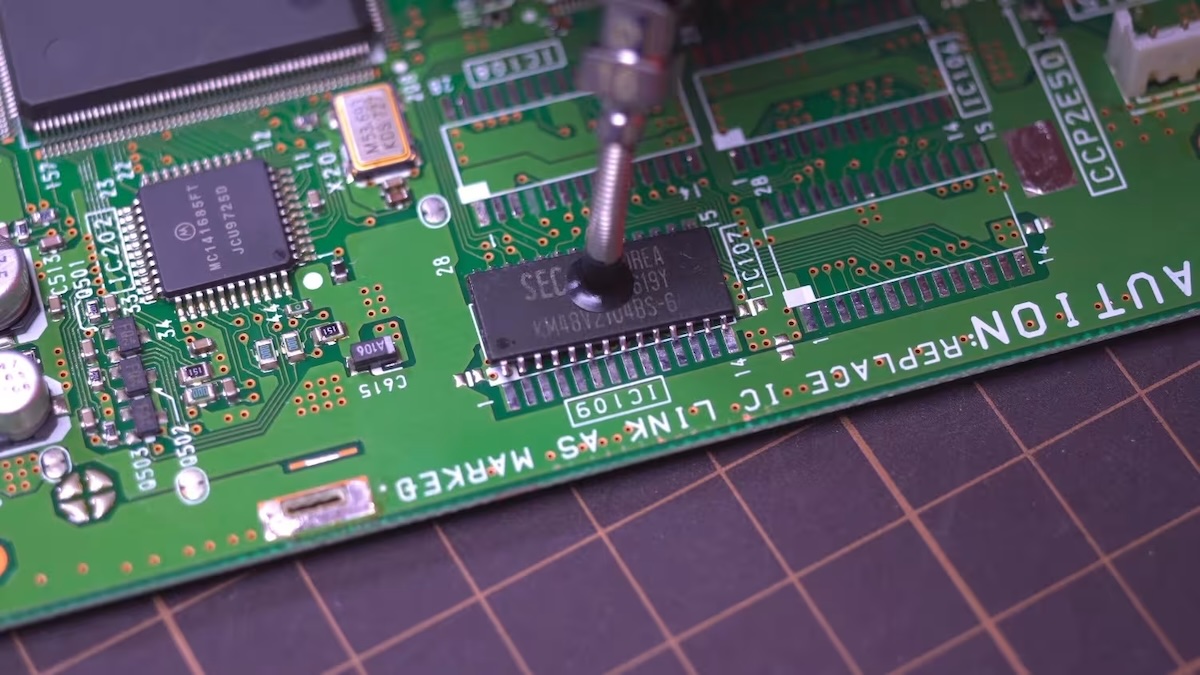
The technical execution of this upgrade required a deep dive into circuit design and precision electronics. To expand the RAM to 16 MB, four standard 512 KB EDO RAM chips were replaced with eight 2 MB chips salvaged from legacy PC memory modules. The installation process is both labor-intensive and complex: four new chips occupy the factory slots, while the remaining four are mounted directly on top of them. This "stacked" configuration necessitated the creation of bespoke signal routing and the addition of manual traces to ensure correct data orchestration.
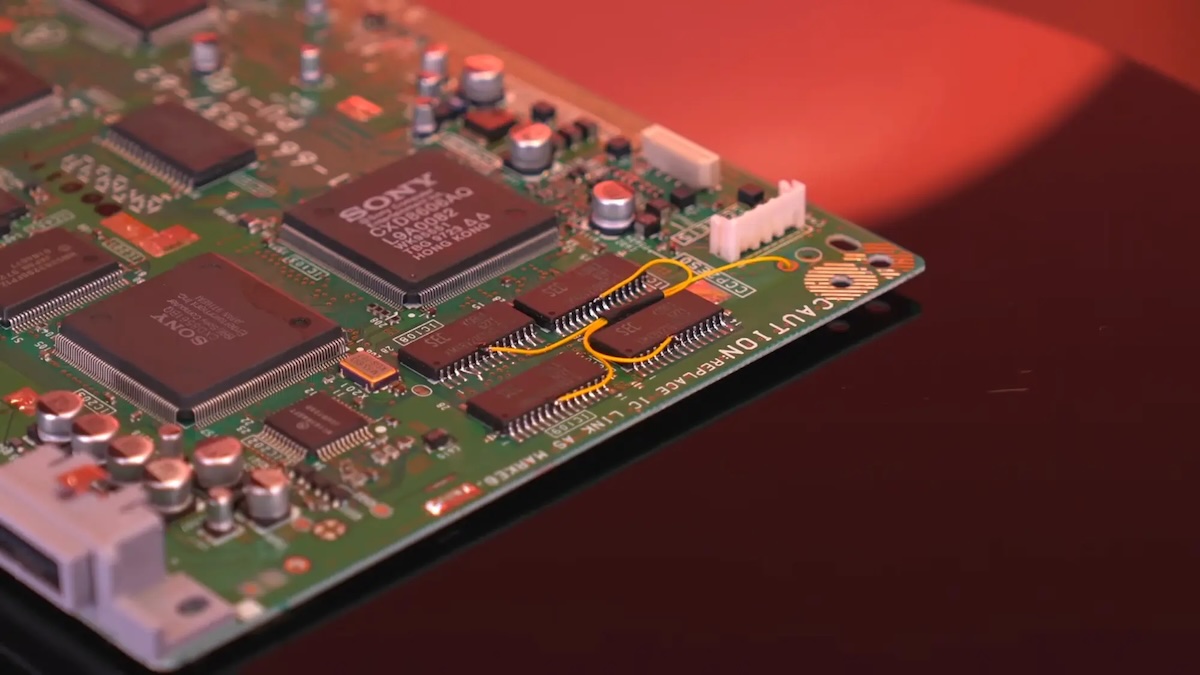
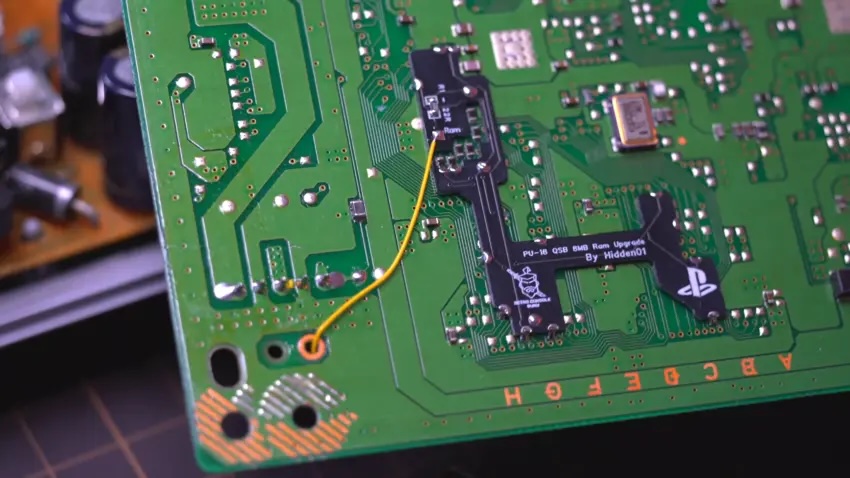
Particular attention was paid to the seventh pin of each upper chip, which remained isolated and was linked to the selection signal for the second memory bank. For the system to function correctly, surgical modifications to the motherboard were required: several traces had to be severed, and a 22-ohm resistor installed. It is important to note that this modification is highly specialized and compatible exclusively with PU-8 revision motherboards found in SCPH-5500 models.
However, it must be understood that an eight-fold increase in memory does not transform legacy titles into modern blockbusters. The vast majority of commercial PS1-era projects were rigidly optimized for 2 MB and simply lack the logic to utilize additional capacity. Furthermore, expanding the address space can trigger compatibility conflicts; for instance, certain titles, such as Final Fantasy IX, refuse to boot, hanging indefinitely at the initial system logo.
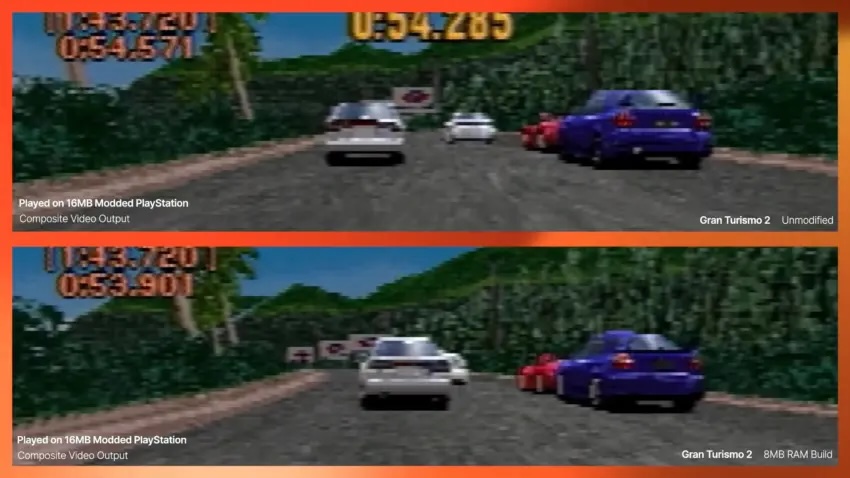
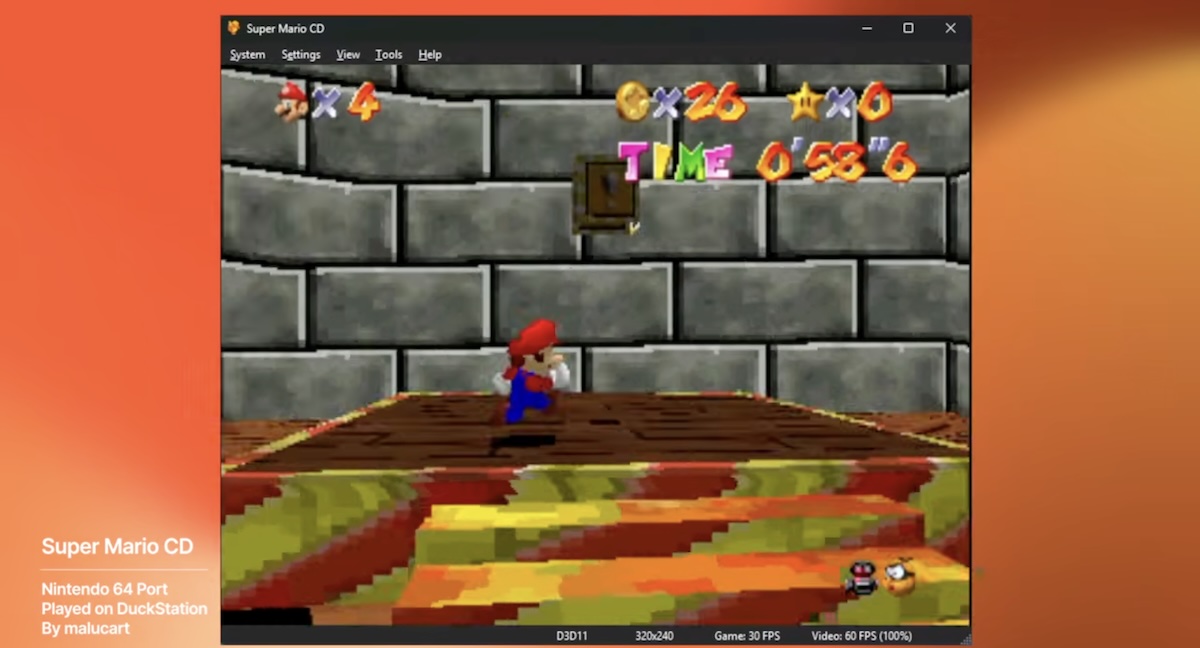
The true potential of this modification is realized in the realms of independent development and porting. The additional 14 MB becomes a critical asset for homebrew developers, enabling the implementation of high-fidelity models and significantly increasing draw distances. This opens the door to porting titles from other platforms—most notably, a modified console has successfully run Super Mario 64, originally designed for the Nintendo 64, a feat that would be impossible under factory specifications.
This experiment is part of a broader effort to probe the systemic boundaries of the hardware. The community's immediate roadmap includes upgrading the video RAM (VRAM) from 1 to 2 MB, as well as expanding audio memory. Such iterations transform an aging console from a mere retro curiosity into a versatile sandbox for studying the architecture of legacy gaming systems.
 The Strategic Alliance of Nvidia and MediaTek