Modern communication platforms are evolving beyond rudimentary chat interfaces into sophisticated content management ecosystems. For years, the pervasive "spoiler culture" within gaming and cinema communities has forced users to rely on makeshift workarounds to safeguard sensitive plot details. Discord is addressing this friction by implementing a native mechanism for isolating sensitive content—a move that signals a shift toward more granular user agency over the consumption of narrative data.
In an age of instantaneous information exchange, the management of attention has evolved into a critical pillar of digital interaction. For communities centered around gaming, television, and cinema, the challenge of accidental narrative leaks—or spoilers—has long been a significant hurdle for moderation. For years, server administrators were forced to rely on clunky workarounds: either flagging channels as NSFW (Not Safe For Work), which created the misleading impression that the content was explicit, or relying on the discipline of members to manually hide every single message.
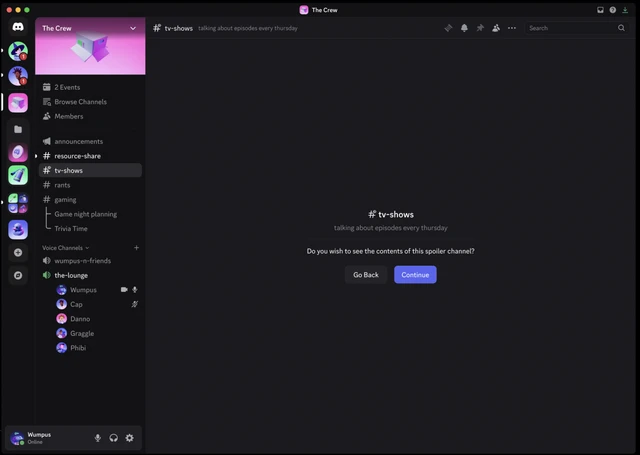
Discord’s introduction of "Spoiler Channels" elevates this process to a systemic level. The ability to obscure the contents of an entire server section is now a native feature operating on the principle of informed consent. Upon attempting to enter such a channel, the user is met with an interstitial warning screen notifying them of sensitive information or spoilers. Access is granted only after the user provides explicit confirmation of their intent to view the content.
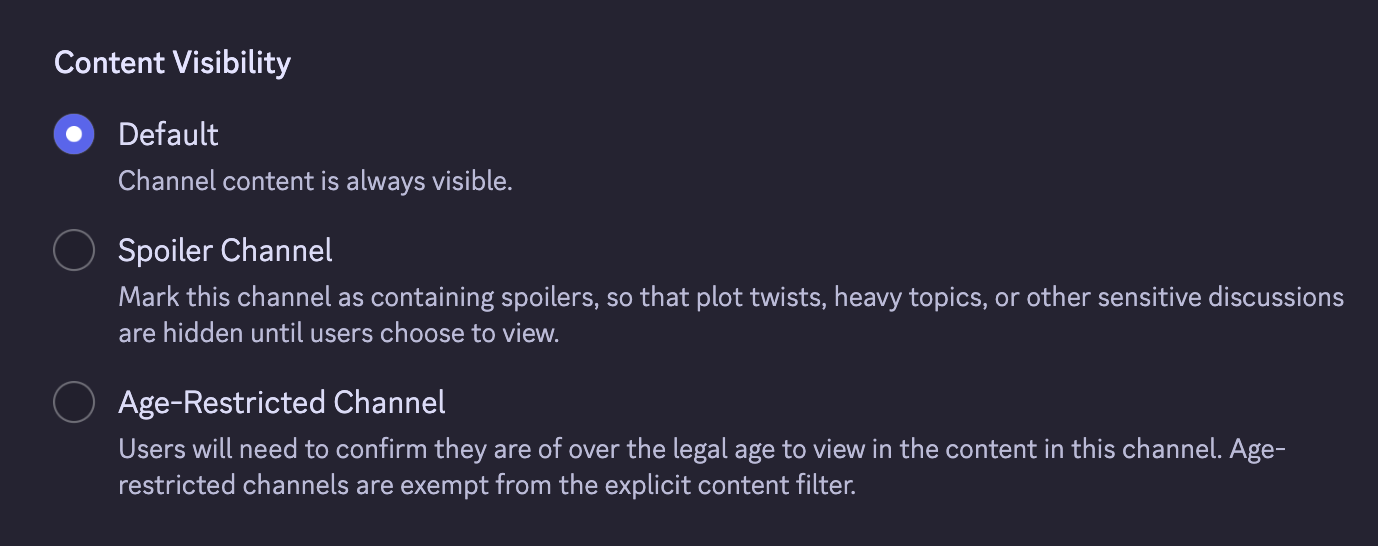
From a technical standpoint, this mechanism mirrors age-verification systems, yet it diverges fundamentally in its philosophy of access. While NSFW channels require age verification and impose rigid entry barriers, spoiler channels focus exclusively on the user experience. There are no legal or ethical hurdles here—only a psychological filter that empowers the individual to decide exactly when they are ready to receive specific information.
The feature has been deployed comprehensively: spoiler mode is available for text and voice channels, forums, and announcement hubs. Activation is straightforward, requiring only a trip to the content visibility settings of a specific channel to flip the corresponding toggle. Simultaneously, the platform maintains its oversight; even within these "protected" zones, content must strictly adhere to Discord's overarching Community Guidelines.
The rollout of this tool is a direct response to years of community demand. The implementation of this feature demonstrates the platform's commitment to fostering a more seamless environment for fan communities—a space where technical capabilities have finally aligned with the social imperatives of privacy and granular control over the incoming flow of data.
 The Power Shift at Apple