Efforts to replicate the ecosystems of modern gaming consoles invariably clash with the rigid barriers of closed, proprietary architectures. The KytyPS5 project is now evolving, transitioning from a series of theoretical experiments into a phase of practical execution focused on demanding graphical workloads. The leap from basic 2D sprites to comprehensive 3D rendering represents a pivotal technological milestone; the objective has shifted from merely executing code to engineering a viable environment capable of supporting resource-intensive commercial titles.
The trajectory toward emulating contemporary gaming hardware is seldom a linear progression. For a long time, the capabilities of KytyPS5 were confined to primitive 2D projects that suffered from abysmal performance, hovering between 7 and 13 frames per second. The sole significant milestone of that era was the successful playback of the introductory cinematic for Silent Hill: The Short Message—a feat that signaled a basic capacity for media processing rather than genuine game compatibility.
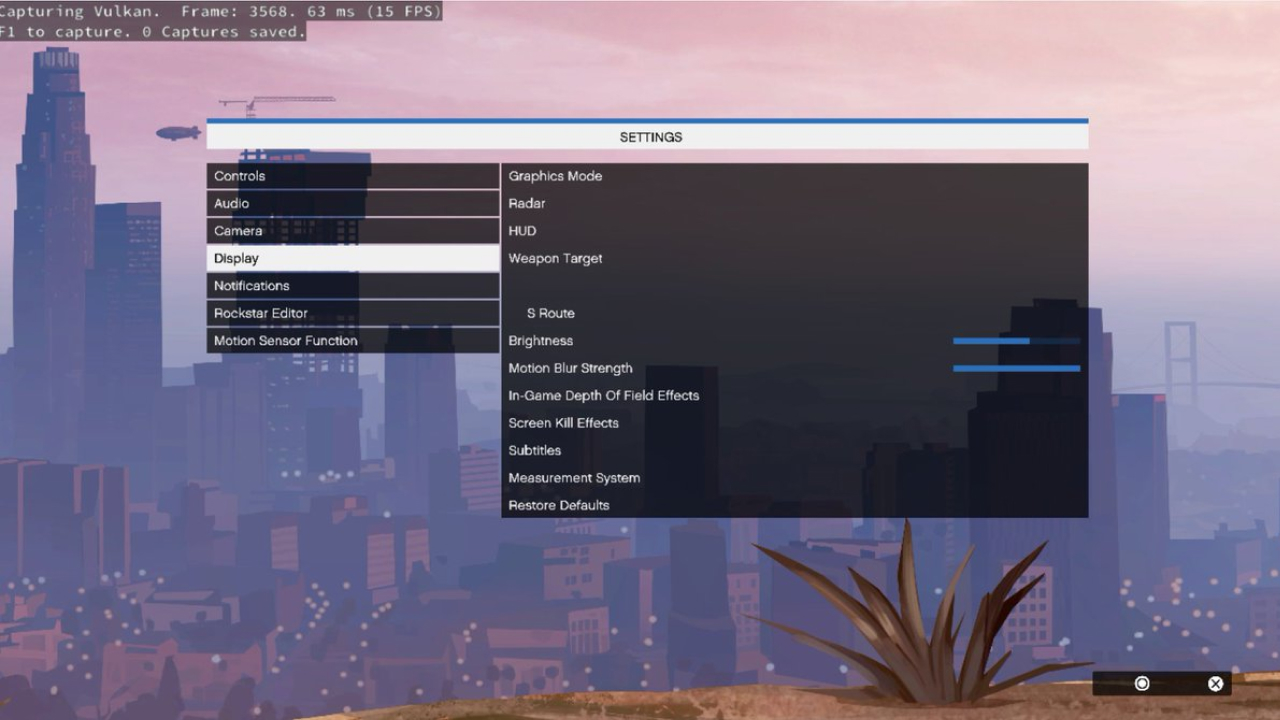
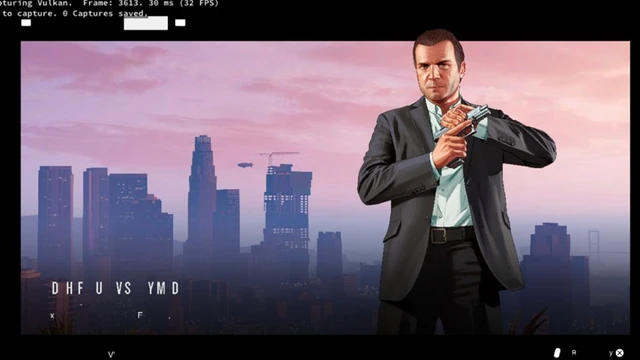
However, the release of version 0.3.3 fundamentally shifts the landscape. The developers have successfully breached the barrier of 3D graphics, an achievement made possible by a comprehensive overhaul of the system call interaction mechanisms. One of the most significant triumphs is the launch of Grand Theft Auto V. Although the game currently only reaches the main menu and settings, the mere fact that such a massive project can be initialized validates the current development trajectory.
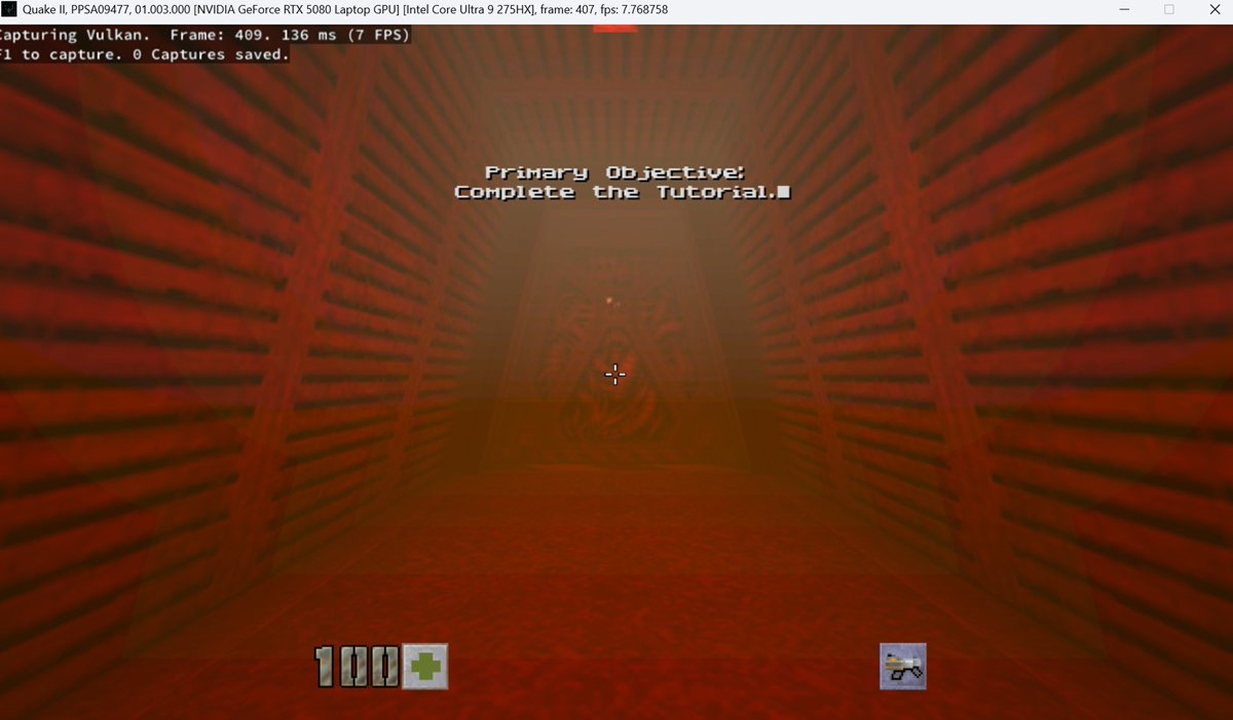
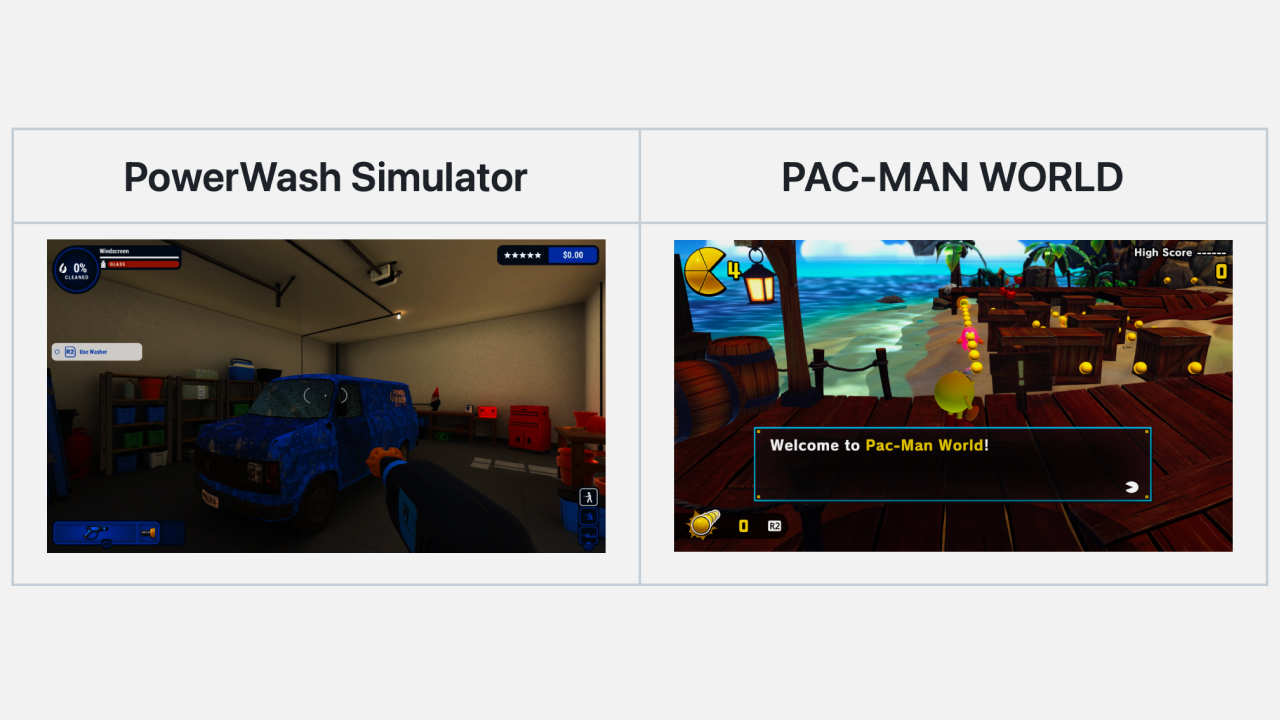
More tangible progress is evident in Quake II, where the emulator demonstrates the ability to transition directly into active gameplay. This indicates that the system has begun successfully processing not only static resources but also dynamic frame update cycles, physics, and real-time user input. Simultaneously, updates in the project repository have confirmed the functionality of PowerWash Simulator and PAC-MAN WORLD, expanding the roster of compatible commercial 3D titles and proving the versatility of the current approach.
From a technical standpoint, KytyPS5 is not an emulator in the traditional sense. Rather than attempting to simulate every single component and transistor of the PlayStation 5 hardware with absolute precision, the developers are building a compatibility layer. This method involves implementing the requisite libraries and drivers that a game expects to find within Sony's proprietary operating system.
While this approach significantly accelerates development and avoids the massive performance overhead inherent in full hardware emulation, it comes at the cost of exhaustive reverse engineering. The team is painstakingly reconstructing the logic of Sony's closed APIs to spoof the console software into operating within a foreign environment. At this stage, the priority remains maximizing compatibility coverage, even if it temporarily compromises frame rates or the stability of certain titles.
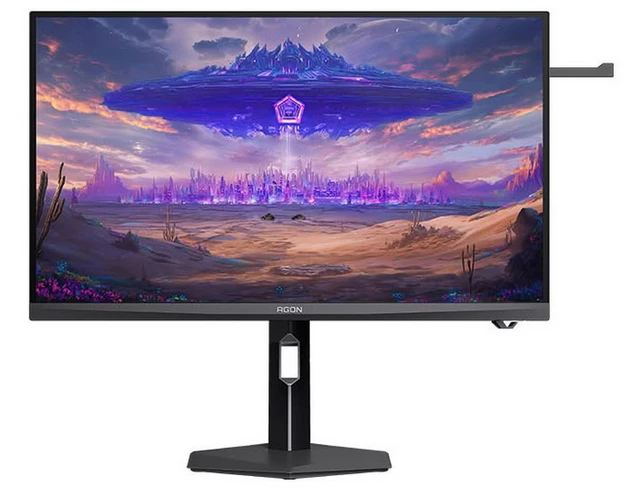 AOC Agon AGP277KXM Hybrid Display