The contemporary smartphone market is currently weathering a period of stagnation; however, Apple continues to leverage radical design pivots as a strategic tool to stimulate demand. Every decade, the company seeks to commemorate pivotal industry milestones by unveiling devices that fundamentally redefine established standards of aesthetics and ergonomics. Recent discourse surrounding the alleged cancellation of a "glass" anniversary iPhone has sent ripples through the professional community. In reality, this is not a rejection of the concept, but rather its pragmatic evolution to meet the rigorous demands of mass production.
The evolution of Apple's smartphone lineage has always been a delicate balancing act between audacious vision and technological imperative. As the industry approaches the twentieth anniversary of the original iPhone, speculation has intensified regarding the milestone model—a device envisioned as the pinnacle of minimalism, featuring glass panels across its entire chassis.
The initial concept aimed for a device where glass dominated all other materials, creating the effect of a single, monolithic object. In practice, however, Apple encountered formidable engineering hurdles: the bonding of glass elements proved too unstable for the rigors of mass production. Such technical complexities often become the primary bottleneck when transitioning from a conceptual prototype to a commercial series, and in this instance, the company was forced to pivot its approach.
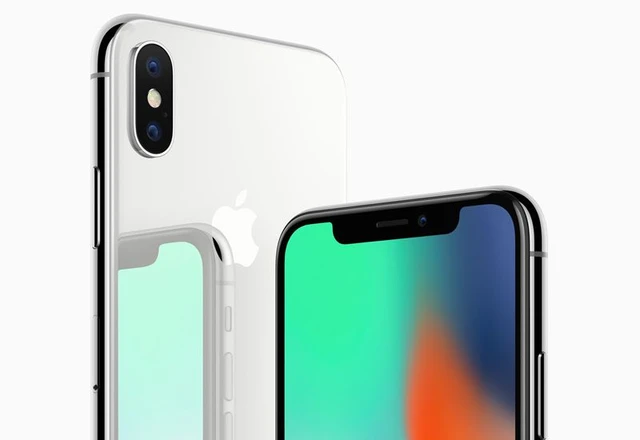
Rather than a fully glass envelope, Apple has opted for a hybrid solution. The new Pro models, operating under internal codenames V73 and V74, will maintain their premium aesthetic through a sophisticated blend of metal and glass. This ensures the necessary structural integrity while preserving the visual cleanliness and high-end tactile experience users expect. While the "seamless" glass effect may be lost, this pragmatic design is expected to be the primary driver of interest in the lineup.
Understanding the developmental cadence in Cupertino is key: the final design of a device is typically locked in approximately one year before its market debut. The project has now entered a pivotal juncture where structural modifications are no longer feasible, as the focus shifts toward the preparation of production lines.
Such investments in industrial design are justified by fiscal metrics. Despite a general cooling of consumer demand across the mobile market, the iPhone segment continues to demonstrate impressive resilience. In the last quarter, sector revenue grew by 22%, accounting for roughly half of the corporation's total aggregate income. This provides Apple with the necessary financial leverage to experiment with new form factors.
The forthcoming product cycle promises to be exceptionally dense. The imminent release of the iPhone 18 Pro and iPhone 18 Pro Max is expected to introduce modernized camera systems and a new, deep crimson hue. Simultaneously, the company is preparing for a strategic venture into the foldable segment; the iPhone Ultra is poised to serve as the launchpad for an entirely new family of smartphones.
The broader product roadmap suggests a phased rollout. In the spring, the market will see the arrival of the base iPhone 18 and a more accessible "18e" variant. Alongside these, an update to the ultra-thin iPhone Air is expected, featuring a second camera and optimized battery efficiency.
Beyond the smartphone, Apple continues to aggressively expand its wearables ecosystem. In the long term, the portfolio will grow to include smart glasses and AirPods with integrated cameras, further obfuscating the boundary between traditional mobile communication and augmented reality.
 The Evolution of Apple's Augmented Reality Ecosystem