The line between technological convenience and pervasive surveillance is blurring as artificial intelligence becomes deeply embedded in consumer electronics. Today's smart devices are no longer mere utilities; they have evolved into data-harvesting nodes woven into the very fabric of our private lives. Recent updates to LG’s terms of service signal a troubling trend: a strategic shift of legal liability regarding privacy from the manufacturer to the end-user. This precedent marks a new chapter in corporate risk management—one where the cost of seamless functionality is the erosion of the right to privacy.
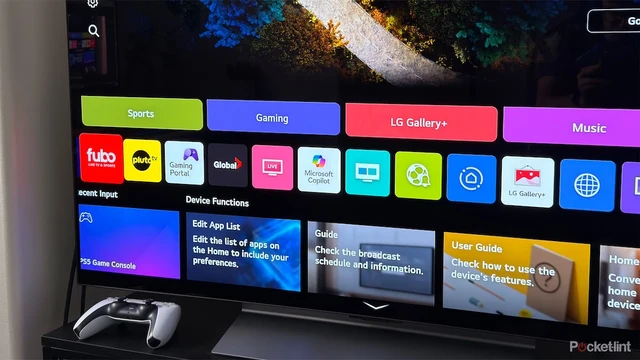
The smart device industry is currently defined by an era of aggressive data harvesting, and South Korean giant LG has emerged as one of the most prominent examples of this trend. Under its updated terms of service, owners of the company's televisions are effectively cast as the "guarantors" of privacy for anyone else in the room. The legal burden of obtaining consent for voice recording from family members and casual guests has been shifted entirely onto the user. From a legal standpoint, this is a calculated maneuver: the company insulates itself from the risk of lawsuits regarding the unauthorized collection of biometric data by transforming the device owner into the party legally responsible.
Beneath this formality lies a pragmatic drive to train artificial intelligence models. Voice data is an invaluable resource for fine-tuning neural networks, enhancing speech recognition, and analyzing emotional sentiment. When a user activates AI-driven features, the device begins capturing not only the owner's commands but also any ambient conversations occurring nearby. In effect, the living room is transformed into a data collection laboratory, where "accidental" recordings become legitimate tools for evolving corporate algorithms.
Attempts to circumvent this scenario lead to a classic trade-off between security and functionality. The user is presented with a stark choice: completely disable the microphone—thereby forfeiting basic control capabilities—or forgo software updates, which opens the door to cyber threats due to a lack of critical security patches. A third option—complete network isolation—essentially turns an expensive smart TV into a basic monitor, nullifying the value proposition of the acquired technology.
However, LG's expansionist approach is not limited to voice monitoring. There is a systemic pattern of implementing third-party software that verges on aggressive marketing. Owners of LG monitors, as well as certain Samsung and Alienware devices, have encountered scenarios where the system automatically installs companion software upon the first Windows connection without explicit user consent. Among this "bundled baggage" are the LG Monitor App installer and McAfee antivirus scanners.
Of particular concern is the level of access requested by the LG Monitor App Installer. By demanding full control over system resources, the application potentially gains the ability to track online activity, gather hardware telemetry, and even determine the user's location. In an era where digital hygiene has become critical, such practices trigger a justifiable backlash from power users and the professional community.
Taken together, these developments paint a portrait of a modern corporate strategy where the hardware product is merely an entry point for deep penetration into the consumer's digital life. Technological convenience is offered in exchange for the surrender of privacy, while legal jargon serves as a shield, distancing the manufacturer from the ethical implications of their conduct.
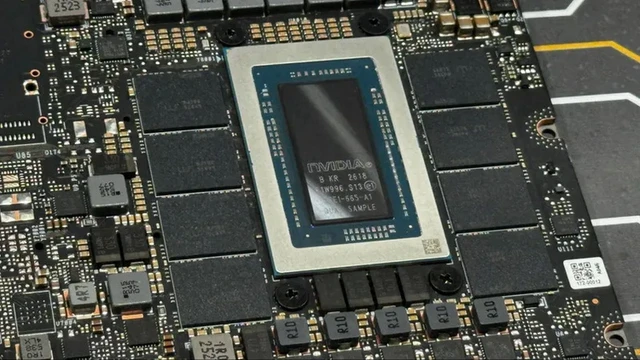 Nvidia N1X and the New Era of Arm PCs