The contemporary semiconductor landscape remains volatile, compelling tech titans to pivot their financial strategies with urgency. Intel has recently adjusted the pricing for several of its flagship offerings—a move that sends a clear signal to the consumer market. Specifically, the company is raising prices on the Core Ultra 200S Plus series, a lineup intended to solidify Intel's foothold in the high-performance computing sector. This strategic shift underscores profound structural upheavals within global supply chains and an escalating demand for cutting-edge computational power.
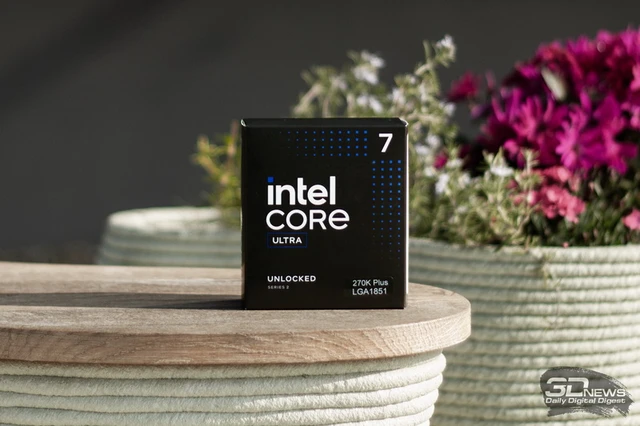
The market pricing for Intel's Core Ultra 200S Plus lineup has undergone an unexpected shift, a move now officially corroborated by the company. This correction impacts two pivotal models released earlier this spring: the Core Ultra 7 270K Plus and the Core Ultra 5 250K Plus. The first indications of this pivot emerged within the Intel Ark database, where recommended price brackets were revised upward.
For the Core Ultra 7 270K Plus, the new pricing threshold now sits between $339 and $349, while the Core Ultra 5 250K Plus has climbed to a range of $219–$229. When analyzed against their launch pricing, the uptick is significant: the Ultra 7 chip has seen a $40–$50 increase over its initial $299 price point, while the Ultra 5 model has risen by $20–$30 relative to its $199 debut.
Intel attributes these adjustments to current market dynamics. Specifically, the company cited rising supply chain costs and surging demand for the Core Ultra 200S Plus family. Notably, this is not an isolated incident; similar price corrections have been observed across other Intel product lines, suggesting a systemic recalibration of production and logistics costs.
From a technical standpoint, these processors are part of the Arrow Lake Refresh update introduced in March. Built on the cutting-edge LGA1851 socket and supporting high-speed DDR5-7200 memory, they are engineered for high-bandwidth system architectures.
The distinct market positioning of these models is reflected in their internal architecture. The Core Ultra 7 270K Plus is a formidable 24-core die, integrating 8 Performance cores (P-cores) and 16 Efficient cores (E-cores). In contrast, the Core Ultra 5 250K Plus offers a more streamlined 18-core configuration, with 6 cores dedicated to high-performance tasks and 12 handling background processes.
While Intel has updated its recommended pricing, retail outlets have yet to fully integrate these changes into their listings. Nevertheless, the long-term trend suggests that the era of aggressive price-cutting in the high-performance desktop segment is giving way to a period of pragmatic, cost-driven pricing.
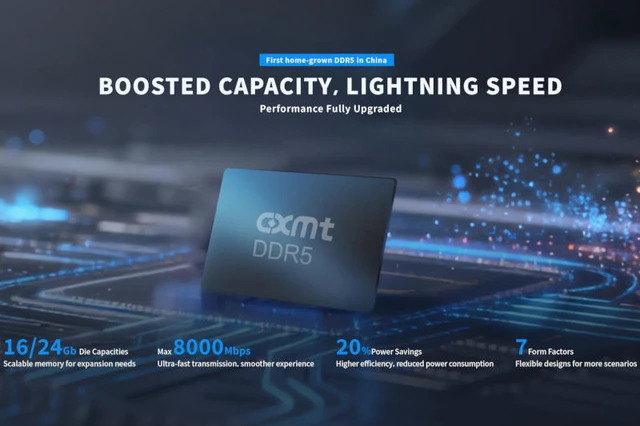 The Price of Acceleration: CXMT’s Rapid Push into Memory