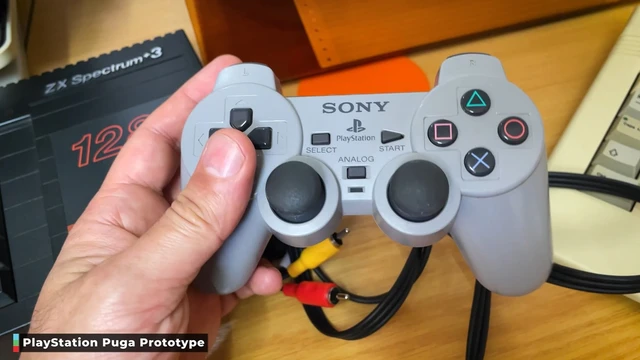
The gaming industry's history is replete with ambitious prototypes that never reached the production line, stifled by corporate friction or market barriers. All too often, engineering ingenuity collides with an impenetrable wall of legal red tape and licensing disputes. A prime example of such an artifact is the PS Puga project—Sony’s attempt to redefine the console paradigm by fusing the system with its controller. While intended as a strategic response to severe economic headwinds, the device ultimately became little more than a technical curiosity.
At one point in its trajectory, Sony attempted to engineer an ambitious hybrid: a console that mirrored the DualShock gamepad in both form and function, yet housed the full hardware capabilities required to run titles from the original 1994 PlayStation. Codenamed "Puga," the project was far from a mere engineering whim; it was a strategic maneuver designed to navigate Brazil's stringent import regulations. By establishing local production within the Latin American market, Sony aimed to bypass trade barriers and democratize access to gaming classics.
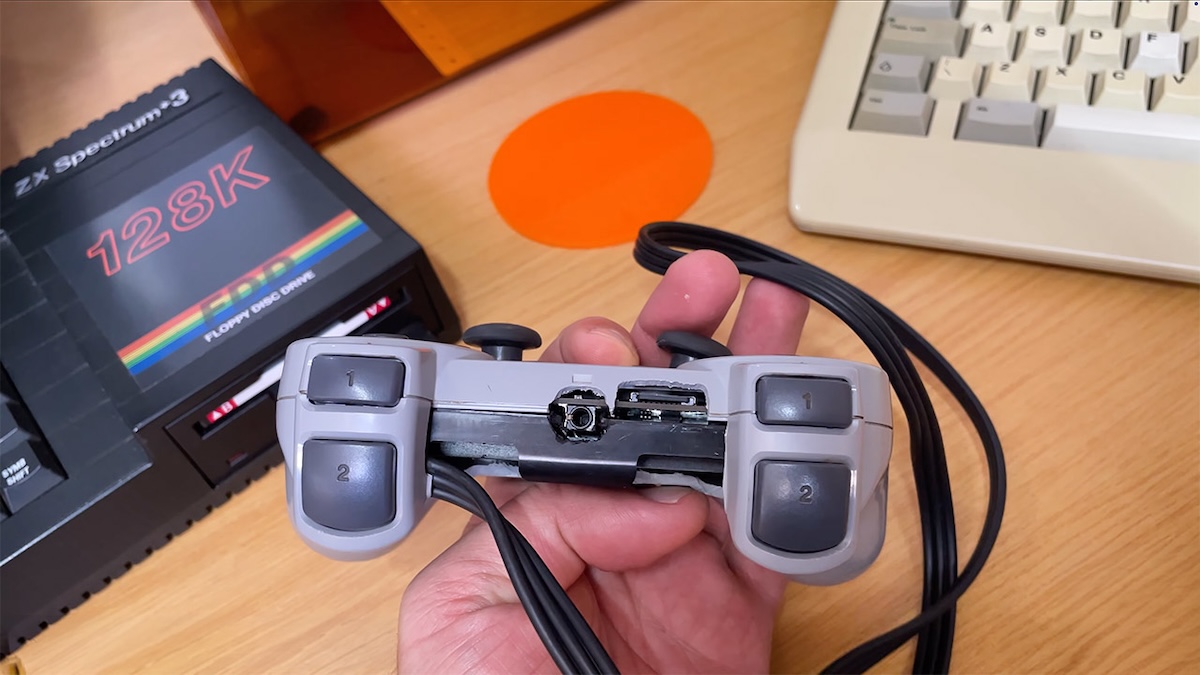
For its time, Puga’s technical execution was impressive. The device featured 4GB of internal storage, enough to house approximately ten games. Power was supplied by four AA batteries, delivering roughly 20 hours of autonomy. Despite its portable form factor, the unit lacked an integrated display; it required a connection to a television, effectively transforming the gamepad into a standalone system unit.
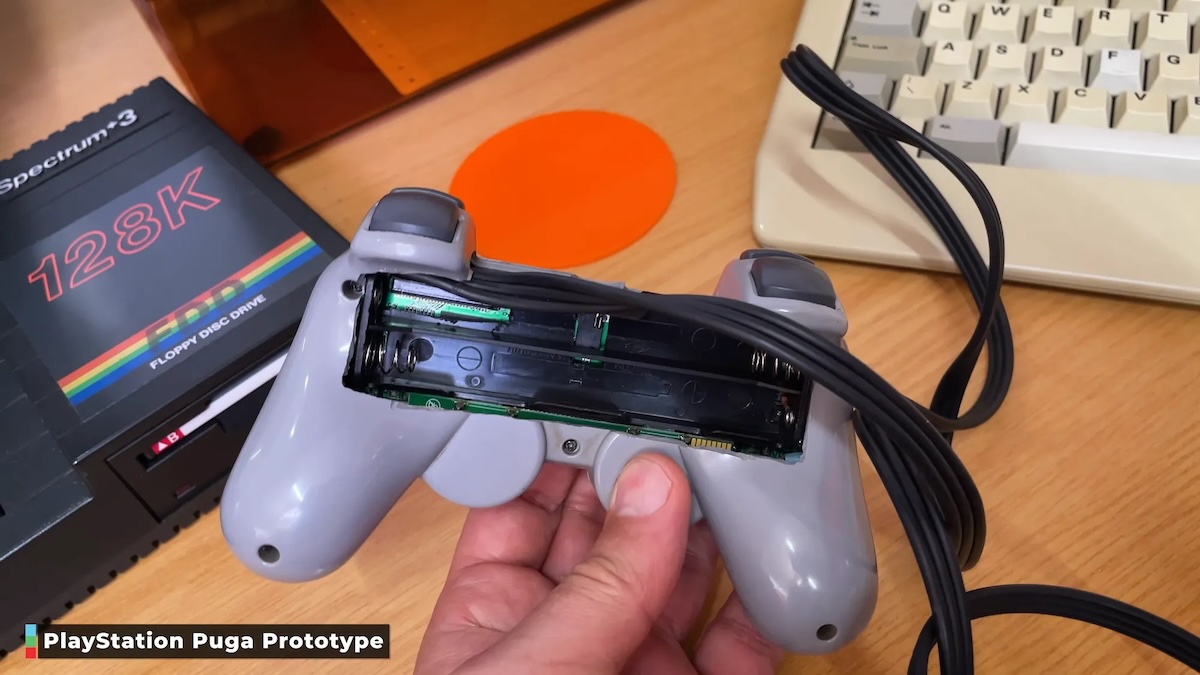
At the heart of the system sat an ARM processor clocked at 650 MHz. This architecture allowed for the efficient emulation of the original PlayStation environment, ensuring smooth gameplay without the need for bulky legacy chips. Interestingly, this tech stack did not vanish into obscurity: the emulator development experience gained from Puga was later integrated into the Sony Xperia Play—one of the company's most daring attempts to merge mobile telephony with gaming.
However, the project's technical success eventually foundered on the rocks of bureaucracy and financial friction. The primary point of contention was licensing. Sony’s legal department failed to reach a compromise on royalty payments with game rights holders. Major publishers, including Rockstar Games, demanded sums that rendered the project economically unviable. This was further complicated by internal strife within Sony itself, as various divisions of the Japanese giant could not agree on payment terms even for their own proprietary products.
The economic model behind Puga was hyper-aggressive and fraught with risk. To maintain an affordable price point for the end consumer, Sony operated on razor-thin margins—projecting a profit of just 10 cents per unit sold. As licensing demands climbed and internal approvals stalled, the project became a liability. Ultimately, the PS Puga was scrapped, leaving behind only a few non-functional prototypes and a sobering reminder that even the most sophisticated engineering feats can be sacrificed on the altar of corporate interests.
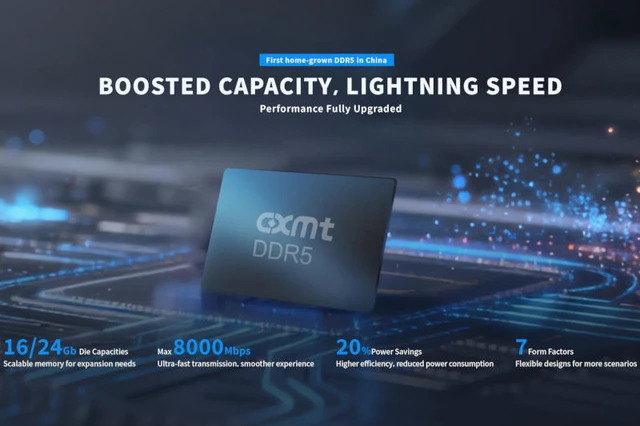 The Price of Acceleration: CXMT’s Rapid Push into Memory