Modern smartphone interfaces are striving for total invisibility, aiming to transform every user gesture into a seamless command. However, the boundary between intuitive functionality and technical noise is perilously thin. Owners of the new Pixel 11 lineup have encountered a recurring issue where devices react to external stimuli entirely unrelated to human input. This case highlights the profound complexities of sensor calibration in mass-market consumer electronics.
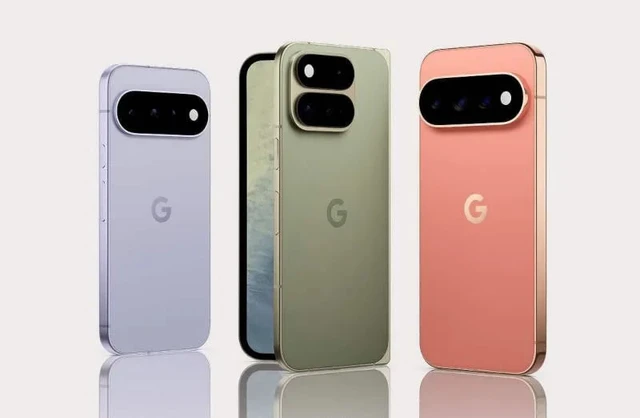
The modern Google Pixel user experience is built upon the concept of seamless interaction. Central to this is the "Lift to check phone" feature, designed to wake the display the precise moment a user picks up their device. However, in the new Pixel 11 lineup, this mechanism has become overly sensitive, transforming a helpful utility into a source of frustration.
Users are reporting frequent spontaneous screen wake-ups triggered by the slightest vibrations. The smartphone may activate simply because an object was placed on the table nearby or because the device is resting on a sofa armrest. Even sharp turns in a vehicle, which create inertial shifts, are interpreted by the system as an intentional lift, resulting in unnecessary screen illumination.
The technical root of the problem lies in the calibration of the accelerometer and gyroscope. It appears the activation threshold for these sensors in the Pixel 11 was set too low, leaving the system unable to distinguish intentional movement from environmental noise or micro-vibrations. Interestingly, similar complaints surfaced among Pixel 9 Pro owners, but the scale of the issue in the latest generation suggests a systemic sensitivity failure specific to the current series.
Currently, the only viable workaround is to disable the feature entirely within the lock screen settings. While this restores stability, it significantly degrades the user ergonomics, stripping away the ability to glance at notifications instantly without a manual button press.
In the mobile industry, such issues are rarely hardware-bound; rather, they stem from the software algorithms used to filter sensor signals. It is expected that Google will refine sensor sensitivity via a firmware update, implementing more stringent filters to prune accidental vibrations. Until then, flagship owners are forced to choose between interface convenience and battery life, which inevitably suffers due to constant false positives.
 The Power Shift at Apple