Global plastic pollution has emerged as one of the defining environmental crises of our era, effectively transforming the planet's ecosystems into vast repositories for non-biodegradable polymers. Yet, contemporary science is beginning to pivot, reframing this catastrophe not merely as a disaster, but as a strategic source of accessible carbon feedstock. In a breakthrough supported by NASA, U.S.-based researchers have developed a method to transform synthetic materials into viable nutritional components. This approach leverages a sophisticated synthesis of chemical degradation and microbial conversion—a process with the potential to fundamentally shift the paradigm of food production.
The spotlight has fallen on polyethylene terephthalate (PET)—one of the world's most ubiquitous plastics, used extensively in the production of bottles, packaging, and synthetic textiles. From a chemical perspective, PET consists of long, stable polymer chains that nature is virtually incapable of breaking down on its own. To transform this inert material into a viable food source, researchers employed a process known as oxidative hydrothermal dissolution. Under the influence of high temperatures, water, and oxygen, the rigid polymer bonds are severed, causing the plastic to decompose into simple carbon-based compounds.
This transition marks the beginning of the process's biological phase. The resulting chemical "broth" serves as a nutrient-rich medium for engineered yeast strains. These microorganisms function as living bioreactors, absorbing the plastic degradation products and synthesizing them into biomass rich in proteins and fats. Simultaneously, a separate yeast strain is utilized to transform plant waste—such as agricultural stalks—into aromatic compounds. This critical step imparts a pleasant vanilla flavor to the final product, effectively masking the chemical origins of the feedstock.
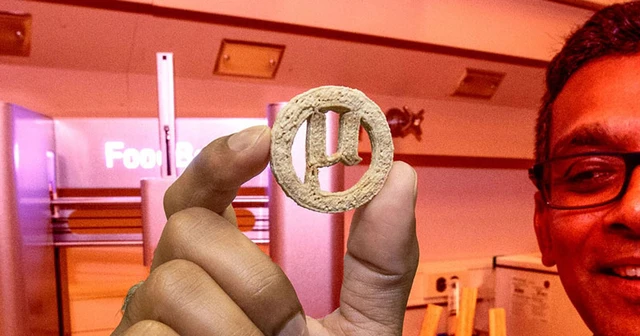
The final stage of converting biomass into a consumable product resembles a feat of high-tech culinary engineering. The resulting mixture is combined with fiber, starch, and sweeteners to achieve an optimal texture and nutritional profile. The final composition is then loaded into a specialized 3D printer, which fabricates the structure of the product, dubbed $\mu$Bites. The technology is currently in the verification stage; researchers are awaiting official university clearance to conduct the first tastings and confirm the product's safety.
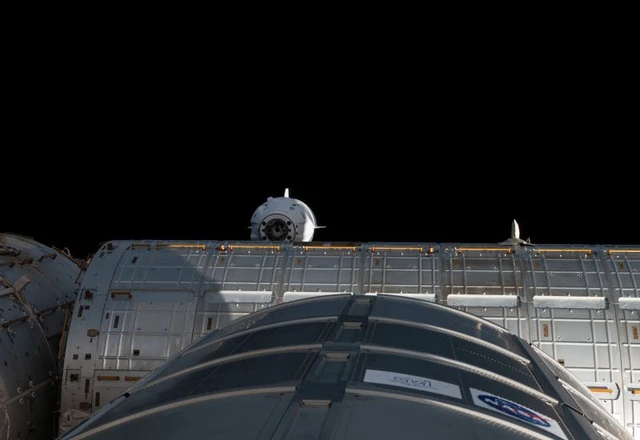
The implications of this development extend far beyond terrestrial laboratories. The project was conceived as part of a NASA program dedicated to life support for long-duration space missions. In the vacuum of deep space, where resources are critically scarce, the concept of a closed-loop system—transforming waste into sustenance—becomes essential for crew survival. However, the technology's potential for Earth is equally evident: it offers an elegant synergy for simultaneously addressing global food insecurity and the eradication of plastic pollution.
 The End of the Falcon 9 Era