The wearables market has long been a battleground, polarized between the stark utility of fitness trackers and the feature-heavy complexity of smartwatches. Nothing—a brand that has become synonymous with aesthetic minimalism in the smartphone arena—is now poised to translate its distinct design language to the wrist. This transition from entry-level experimentation toward a flagship product offering signals a pivotal phase in the company’s broader ambition: the cultivation of a cohesive hardware ecosystem. The upcoming launch is expected to disrupt the status quo, posing a significant challenge to the entrenched incumbents of the mid-range segment.
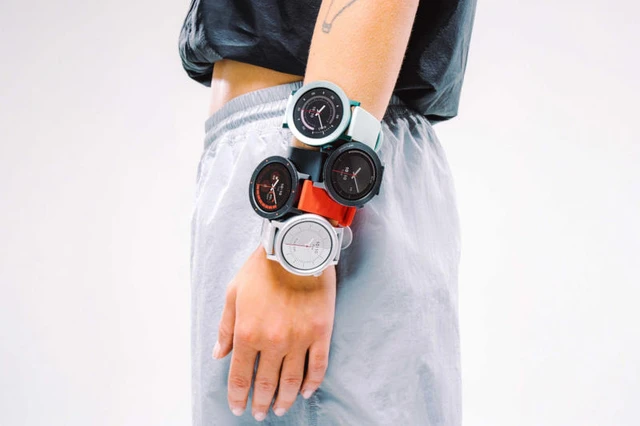
To date, Nothing’s strategy in the wearables market has been confined to its CMF sub-brand, which prioritizes affordability and core functionality. Last year's CMF Watch Pro validated this approach: an AMOLED display, GPS support, and health tracking at a competitive price point resonated well with consumers. However, these devices operate on RTOS (Real-Time Operating System)—a lightweight OS that ensures impressive battery endurance but denies users access to a robust third-party app ecosystem and deep integration with Google services.
Now, the company is poised to pivot away from the entry-level segment by introducing its first smartwatch under the primary Nothing brand. Current reports suggest the device will be positioned under the $300 mark, effectively elevating it from a "smart accessory" to a full-fledged technological gadget. The primary expectation remains the preservation of the brand's signature design language: transparent chassis elements and curated light indicators are expected to serve as the product's visual hallmark.
The central point of intrigue is the software. Should Nothing opt for Google’s Wear OS, the device would gain a comprehensive app store, advanced notifications, and seamless smartphone synchronization, allowing it to compete with rivals such as the OnePlus Watch 4. However, adopting Wear OS inevitably compromises battery life, creating a tension between high-end functionality and consumer expectations for wearable longevity. The alternative—developing a proprietary or modified RTOS—would preserve autonomy but leave the device categorized as an advanced fitness tracker rather than a true smartwatch.
An unveiling is anticipated this September, though the initial rollout will likely be limited to specific regions. This measured strategy allows the company to gauge market reception and fine-tune the hardware-software synergy before scaling globally. While Nothing remains tight-lipped, the industry is watching closely to see if the brand's ethos of transparency and minimalism can translate its smartphone success into the wearables market.
 A Comprehensive Refresh of Apple's Global Product Portfolio