The contemporary mobile device market is undergoing a strategic pivot toward digital sovereignty and robust data privacy. In an era of pervasive ecosystem dominance, privacy is no longer a niche preference; it has evolved into a fundamental prerequisite for the premium segment. Motorola’s decision to integrate GrapheneOS signals a pivotal shift in the philosophy governing the relationship between manufacturer and end-user. This synergy promises to deliver devices where uncompromising security converges with flagship-tier performance.
For years, the smartphone industry has been constrained by the rigid boundaries of pre-installed software. However, Motorola's upcoming flagships are poised to chart a different course. While these devices will ship with the brand's proprietary Android-based interface by default, users will be granted a legitimate pathway to migrate to GrapheneOS. This hardened fork of the operating system is renowned for its uncompromising approach to security: it completely strips away Google services while maintaining compatibility with most applications and delivering a significantly higher echelon of data protection.
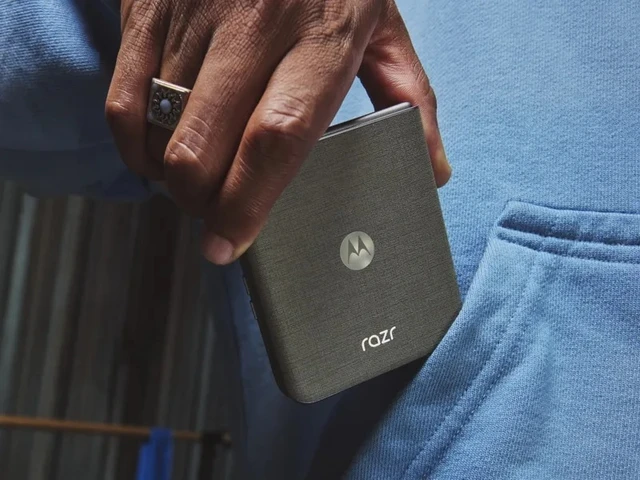
This shift is the result of a strategic partnership between Motorola and the GrapheneOS developers. According to current roadmaps, full system support is slated for the 2027 lineup. The rollout will begin with a traditional slab flagship—the likely successor to the Signature series. Subsequently, this concept will be scaled to more complex form factors, including the Razr Fold and Razr Ultra foldables.
The technical foundation of these devices will rely on cutting-edge Qualcomm processors. The choice of chipsets is driven not only by the pursuit of peak CPU and GPU performance but also by GrapheneOS's stringent hardware requirements. To ensure the seamless operation of critical security mechanisms, such as verified boot and memory isolation, a deep synergy between the hardware and the system kernel is essential.
Particular emphasis is being placed on the device lifecycle. Future Motorola models will not merely meet but exceed GrapheneOS's rigorous standards, particularly regarding long-term support. A commitment to seven years of updates elevates these devices from mere consumer gadgets to long-term instruments of digital security. Notably, the primary engineering burden of porting the system rests with Motorola itself, underscoring the company's serious intent to redefine its approach to user privacy.
 The Engineering Pragmatism of the Wildcat Lake Series