The era of humanoid robotics is rapidly migrating from the confines of sterile laboratories into the complexities of urban and industrial environments. As automated systems undergo mass deployment, the primary metric of success is shifting: it is no longer merely about a machine's raw functionality, but rather its availability coefficient. Japan is leading the charge, establishing the critical infrastructural foundation required to ensure the seamless, uninterrupted operation of these systems. The introduction of specialized mobile service units signals a pivotal transition for robotics—the move toward full-scale commercial viability and operational maturity.
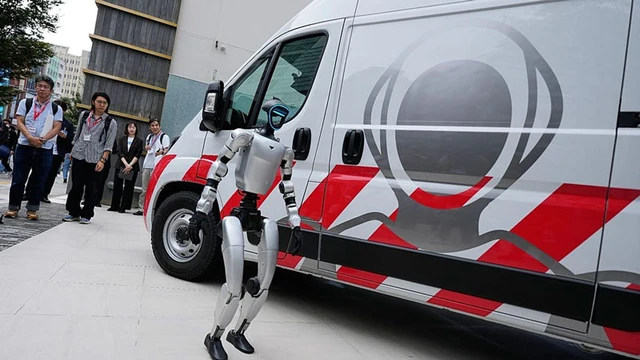
The integration of humanoid robotics into the urban fabric inevitably introduces a new set of operational challenges. Addressing this gap, GMO AI & Robotics has unveiled the GMO Humanoid Ambulance. Visually, the vehicle mirrors a traditional emergency response unit—its distinctive livery and blue flashing beacons underscore the critical nature of its mission. However, beneath the surface lies a fully equipped mobile service hub designed for the rapid restoration of android functionality directly at the point of deployment.
The vehicle's technical specifications are meticulously tailored to the demands of modern robotics. The interior houses precision diagnostic tools, specialized equipment, and a comprehensive inventory of spare components. Each unit is manned by a qualified engineer capable of performing deep system analysis and resolving malfunctions on-site, eliminating the need to transport the robot to a stationary service center. With a full-scale rollout scheduled for Tokyo by late September 2026, it is clear that the industry is preparing for the mass deployment of humanoids into city streets.
Yet, the project's core innovation lies not so much in the mobility of the tools, but in its strategy for minimizing downtime. The crew carries a fully functional spare robot. This "hot swap" concept radically transforms the maintenance approach for high-value assets: if a failure is too severe for an immediate on-site fix, the engineer simply performs a replacement. The malfunctioning unit is retrieved for servicing, while the reserve android takes over its duties.
This approach pivots the emphasis from the repair process itself to the assurance of business continuity. For commercial clients, the downtime of an automated unit can result in losses far exceeding the cost of the repair. The implementation of such service fleets effectively establishes a Service Level Agreement (SLA) standard for robotics, where system uptime becomes the primary metric of success.
Currently, the company is operating a single demonstration vehicle based at its Tokyo headquarters. Future plans include expanding the fleet and establishing a network of service hubs as robotic density increases. This shift signals that the industry is moving beyond experimental demonstrations toward the creation of a comprehensive support ecosystem—one where technical maintenance becomes as seamless and intuitive as the management of modern enterprise IT infrastructure.
 The Commercial Debut of the Googlebook Ecosystem