The PC market is currently undergoing a wave of comprehensive premiumization, as the battle for the mass market yields to a relentless pursuit of higher margins. Microsoft, which spent years attempting to gain a foothold in the entry-level segment, is now decisively pivoting its strategy. The discontinuation of the affordable Surface Go lineup signals a definitive departure from the "hardware for all" philosophy. Instead, the company is doubling down on high-performance solutions, effectively outsourcing the budget sector to its strategic partners.
The era of affordable Surface devices is drawing to a close. Across most regions, the Surface Go 4 tablet and Surface Laptop Go 3 have vanished from shelves. This is not a mere supply chain hiccup or a routine inventory rotation; Microsoft has no plans to replenish stocks or release successors. In effect, Microsoft is scrubbing the budget segment from its hardware roadmap.
This strategic pivot is driven by cold pragmatism and a failed experiment in energy-efficient computing. Internal discussions had centered around a Surface Go 5 powered by a Qualcomm Snapdragon chip. The shift to Arm architecture promised substantial gains in battery life and near-instant responsiveness—metrics that are critical for ultra-portable devices. However, the corporate sector, the primary driver of the Go series, remained lukewarm toward Arm-based solutions. Given that the Surface Go 4 was positioned primarily as a B2B tool, this lack of enterprise appetite rendered the development of a new generation obsolete.
Microsoft's current portfolio has shifted toward a more exclusive tier. The lineup now consists of the 12- and 13-inch Surface Pro tablets, alongside Surface Laptops in three size variations: 13, 13.8, and 15 inches. On the horizon is the flagship Surface Laptop Ultra, envisioned as the pinnacle of raw performance and premium craftsmanship.
Attempts to maintain a foothold in the "accessible" market via base configurations of the Surface Pro and Surface Laptop with 8GB of RAM have proven to be an illusion. With entry prices starting at $849 and $949 respectively, these devices are a far cry from the disruptive $399 price point of the original Surface Go that debuted in 2018.
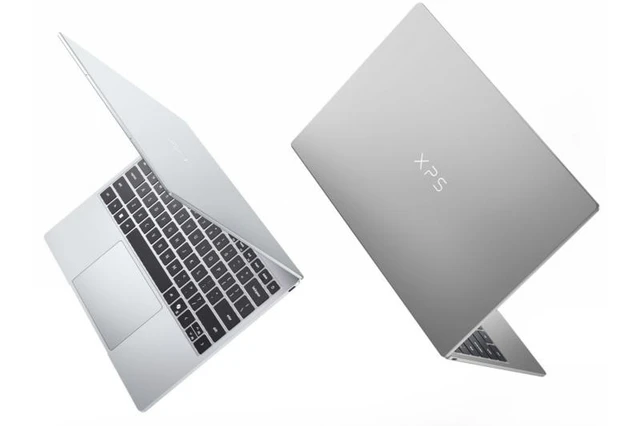
Rather than engaging in a race to the bottom for the budget-conscious consumer, Microsoft has opted for a strategic alliance, positioning the Dell XPS 13 as the primary alternative. This move effectively casts Dell as the "reference" manufacturer for high-quality yet accessible Windows hardware. The XPS 13 is positioned as a direct challenger to the MacBook Neo, leveraging the strengths of the Windows ecosystem: from Windows Hello facial recognition to touch-enabled displays and full keyboard backlighting.
The technical specifications are well-balanced: an Intel Core 5 320 processor, 8GB of high-speed LPDDR5X memory, and a 512GB SSD. The standout feature is the 13.4-inch display with a 2560 × 1600 resolution and an adaptive refresh rate of up to 120Hz. Coupled with Wi-Fi 7 support and a weight of just 1kg, it is an ideal instrument for the mobile professional.
Yet, the pricing strategy remains fragmented. While the base Dell XPS 13 starts at $699 in the US (and as low as $599 for students), the European market—specifically Germany—sees prices starting at €1049. This disparity makes the device significantly more expensive than the MacBook Neo, casting doubt on the viability of this strategy outside North America.
Ultimately, Microsoft has conceded that producing low-cost hardware yields diminishing returns. The company is making a definitive transition into the premium league, where a product's value is measured not by its accessibility, but by technological supremacy and prestige.
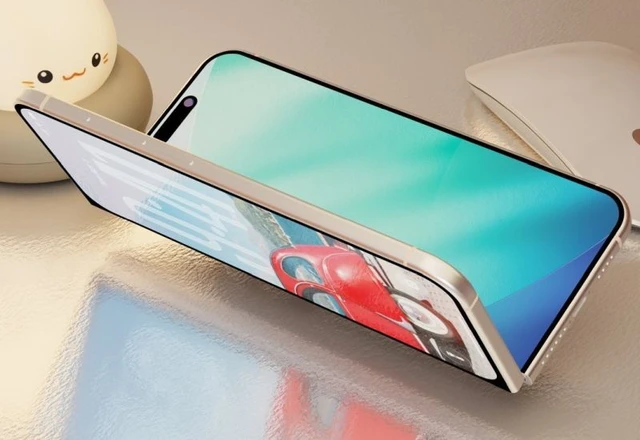 The Phenomenon of the Foldable iPhone Ultra