The line between human perception and digital memory is blurring. Meta is taking a bold leap in the evolution of wearables, piloting prototype glasses capable of continuous reality capture. Such an approach elevates the device from a simple accessory to an instrument for the comprehensive recording of life's audiovisual stream. Yet, the ambition to create a flawless digital imprint of daily existence inevitably collides with the fundamental right to privacy.
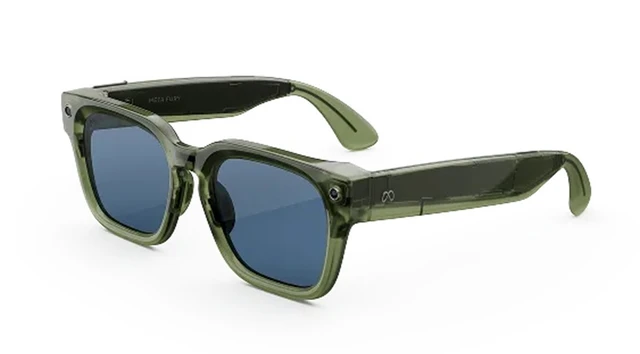
The concept of "life-logging"—the continuous recording of one's existence—is migrating from the fringes of enthusiast culture into the realm of mass-market consumer technology. Meta's latest developments are centered on "hypersensitive" smart glasses capable of capturing everything a user sees and hears in real time. Moving away from episodic, command-based recording, the device shifts toward a cyclical process: constant audio capture paired with a series of photographs taken every few seconds.
The objective is to construct a comprehensive contextual layer for artificial intelligence. By accessing a continuous stream of data from throughout the day, an AI could function as the ultimate assistant, capable of instantaneously recalling the details of an event, retrieving forgotten information, or analyzing past meetings. In essence, Meta is attempting to build an external digital hippocampus to expand the boundaries of human memory.
However, this technological leap hits a formidable ethical wall. Current iterations of Meta's smart glasses feature an LED indicator that alerts bystanders when recording is active—a sort of "social contract" notifying others that they are being captured on camera. In newer prototypes, this indicator can be disabled, rendering the observation process invisible and transforming the device into a tool for covert surveillance.
Intriguingly, the hardware necessary to support these features likely already resides within some of Meta's existing eyewear models. This suggests that the transition to a state of total capture could be achieved via a simple software update, further accelerating the technology's deployment and intensifying the debate over privacy.
To mitigate these risks and deflect accusations of building a global surveillance apparatus, the company is exploring an architectural compromise in data processing. According to one proposed strategy, raw video and audio files would not be stored on Meta's servers, nor would they be accessible to the user in their original form. Instead, the system would extract only metadata—semantic meanings, key objects, and significant events—from the stream.
This approach allows data to be converted into an abstract form suitable for AI queries while formally avoiding the storage of sensitive content. Nevertheless, this strategy serves a second, more pragmatic purpose: the vast torrent of data regarding how humans interact with the physical world becomes invaluable fuel for training future multimodal AI models.
While Meta officially champions a "privacy by design" philosophy, the trajectory of its development suggests a delicate balancing act between creating the ultimate personal assistant and engineering the most sophisticated data-collection tool in the history of wearable electronics.
 iPhone 17: Dominating the Global Market