The wearables industry has reached a critical inflection point where privacy is beginning to outweigh raw functionality. The omnipresence of cameras in public spaces is fueling growing societal resistance, creating a formidable barrier to mainstream adoption. In response to this friction, Meta is developing Project Luna—smart glasses entirely devoid of visual capture capabilities. This strategic pivot shifts the focus away from surveillance, prioritizing a pure, seamless interaction with artificial intelligence.
The evolution of wearable technology is frequently marred by an ethical tension: the drive for maximum functionality often clashes with the fundamental right to anonymity. Previous iterations of smart glasses demonstrated that the presence of a camera triggers an instinctive distrust in others, transforming a helpful assistant into a tool for covert surveillance. Project Luna emerges as a response to this social friction, proposing a "clean" interface concept where visual capture is entirely removed from the equation.
Instead of optical sensors, the focus shifts to an advanced acoustic system. The device features six high-precision microphones, effectively turning the glasses into a dedicated terminal for interacting with neural networks. The primary objective of Luna is deep integration with Muse—a specialized AI agent tailored for the mass consumer. Unlike traditional voice assistants, Muse aims for a more natural, context-aware interaction, positioning voice as the sole and sufficient tool for managing the digital environment.
The technical execution remains minimalist and ergonomic. A physical button on the side panel allows for instantaneous AI activation, bypassing the latency and recognition errors associated with "wake words." The audio system, featuring integrated speakers, mirrors the proven solutions of current models, ensuring audio privacy and comfort during extended wear.
This approach signals a paradigm shift within Meta. While the company previously attempted to build a comprehensive AR computer complete with augmented reality and cameras, it is now exploring the niche of "invisible" interfaces. This allows the user to remain present in the flow of reality without causing social friction, while still leveraging the immense computational power of cloud-based AI.
The official unveiling of Luna is expected to take place during the annual Meta Connect conference. With a market launch slated for October, the device could serve as a pivotal signal to the industry: the future of wearables may lie not in the expansion of visual surveillance, but in its conscious limitation for the sake of social harmony.

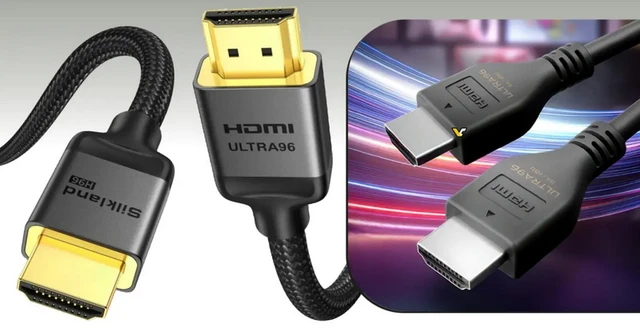 HDMI 2.2: The New Standard for Data Transmission