The global semiconductor market is navigating a period of intense volatility, where any tremor in the artificial intelligence sector triggers an immediate reaction in hardware valuations. Following a series of sharp sell-offs fueled by concerns over asset overvaluation and mounting competition, the industry has regained its footing. The catalyst for this recovery was the earnings reports from U.S. cloud titans, which reaffirmed the fundamental demand for compute capacity. Now, investor scrutiny is shifting: the focus is moving beyond raw capital expenditure toward the efficiency of implementation across the entire AI ecosystem.
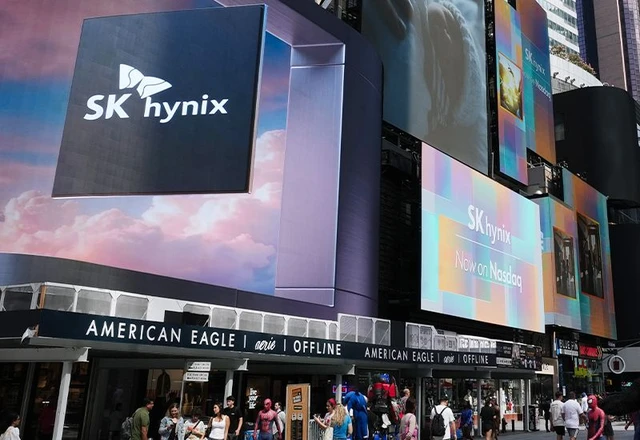
The high-tech components market surged following the release of financial results from Microsoft and Amazon. This spike was more than a mere technical rebound; it served as a powerful signal that confidence in the long-term generative AI roadmap has returned. The spotlight fell on South Korean giants SK hynix and Samsung, whose shares showed impressive momentum: the former neared its all-time high with a gain of over 25%, while the latter climbed more than 20%.
This success is driven by the tight interdependence between cloud services and physical infrastructure. Modern Large Language Models (LLMs) require massive amounts of High Bandwidth Memory (HBM), for which these two companies are the primary suppliers. When Microsoft and Amazon report growth in their cloud divisions, the market interprets this as a clear signal for an increase in orders for specialized memory and accelerators.
The positive momentum extended far beyond South Korea, rippling through the entire East Asian supply chain. Japanese equipment manufacturers—who essentially provide the "tooling" for chip production—also posted steady gains. Companies such as Advantest, Tokyo Electron, and Lasertec saw increases ranging from 9% to 18%, underscoring the systemic nature of this optimism: investors are betting not only on the end product but also on the means of production. Even SoftBank, a dominant venture player in the AI space, saw its valuation rise by more than 9%.
This reversal is particularly significant given the preceding climate of pessimism. Only days ago, the sector was under pressure from two primary factors: concerns over "overheated" valuations of AI companies and mounting pressure from Chinese memory manufacturers aggressively vying for niches in the standard components segment. However, the reports from the American tech titans outweighed these anxieties.
The key insight for the market lay in how Microsoft is managing its capital expenditures (CapEx). Previously, investors began penalizing companies for a "spend at any cost" strategy, fearing that massive investments in data centers would not yield rapid returns. However, recent data demonstrated that the software giant is capable of keeping costs under control while simultaneously scaling revenue from cloud services. This has created a precedent for the efficient scaling of AI infrastructure, transforming unchecked spending into strategic investment with a clear ROI.
Ultimately, the current rally in SK hynix and Samsung shares confirms that the hardware layer of the AI economy remains the primary beneficiary of cloud expansion. As long as the demand for computational power continues to climb, memory manufacturers will remain critical nodes in the global technological chain.

 Anthropic’s Strategic Financial Surge Ahead of Its IPO