The current AI revolution is being constrained not only by the sophistication of its algorithms but by the hard physical limits of the underlying hardware. A severe shortage of memory chips has created a critical bottleneck spanning every sector, from hyperscale data centers to consumer electronics. In an effort to stabilize the market, governments are increasingly leaning toward administrative intervention—a move that industry leaders warn carries catastrophic risks. This friction between political regulation and market dynamics is becoming the defining force shaping the trajectory of the semiconductor industry.
The contemporary technological stack underpinning large language models (LLMs) and neural networks necessitates an immense volume of high-speed memory. The explosive demand for AI accelerators has plunged the industry into an unprecedented component shortage. In this climate, government regulation—which may initially seem like a consumer lifeline—could prove catastrophic for manufacturers and further stifle supply.
A consortium of the semiconductor market's most influential players, organized under the SEMI association, has issued a formal warning to the White House. This powerful lobby comprises industry titans such as the American firm Micron, alongside South Korea's Samsung and SK hynix. Their core thesis is straightforward: any attempt by the U.S. government to directly influence pricing or the allocation of production capacity will only exacerbate the crisis.
The crux of the issue lies in the significant lead time inherent in memory chip production—the vast lag between initial investment and the delivery of finished products. Establishing new fabrication plants (fabs) requires years of development and billions of dollars in capital expenditure. Industry experts argue that attempts to artificially cap prices or dictate production terms would distort economic incentives, potentially prompting companies to scale back capacity expansions and prolonging the shortage in the long run.
Rather than administrative coercion, the industry is advocating for the preservation of market-driven mechanisms. Long-term supply agreements are pivotal here, enabling manufacturers to plan line utilization while guaranteeing component availability for customers. Furthermore, extending tax incentives for those investing in the localization of production within the United States remains critical.
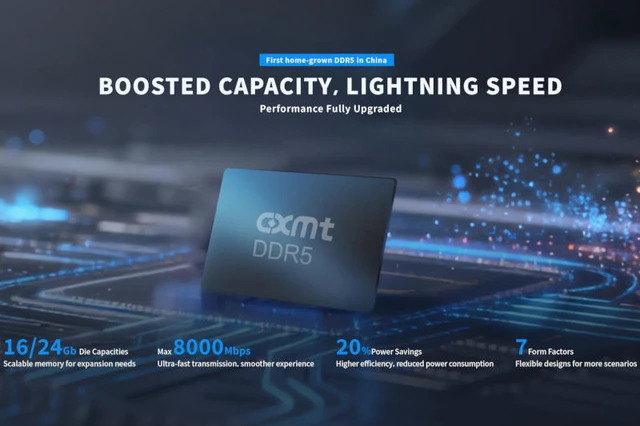
The scale of the crisis has already transcended the niche market of server hardware. The memory shortage is now being felt by automakers and consumer electronics manufacturers alike. The situation has grown so acute that even giants like Apple are forced to seek workarounds, requesting permits to procure components from Chinese suppliers previously blacklisted by the Pentagon on national security grounds.
The economic fallout from the chip shortage has already reached the end consumer. Apple and Microsoft have been compelled to revise their pricing strategies, increasing the cost of their flagship products. This shifts the issue from a technical bottleneck to a political liability, as authorities grow concerned over rising inflation and mounting consumer dissatisfaction.
As an alternative to direct regulation, SEMI has urged the government and Congress to focus on supporting the end consumer. Rather than dictating terms to factories, the state is encouraged to introduce tax credits or subsidies for citizens purchasing smartphones and laptops. Such a move would cushion the blow to consumer wallets without disrupting the fragile investment balance within the semiconductor industry.
Industry forecasts indicate that memory production capacity will grow by approximately 19% annually. However, this pace may prove insufficient, as the appetite of AI infrastructure is growing exponentially. Until new fabs are operational, the market will remain in a state of high tension, where a single regulatory misstep could transform a temporary shortage into a protracted systemic crisis.
 The Price of Acceleration: CXMT’s Rapid Push into Memory