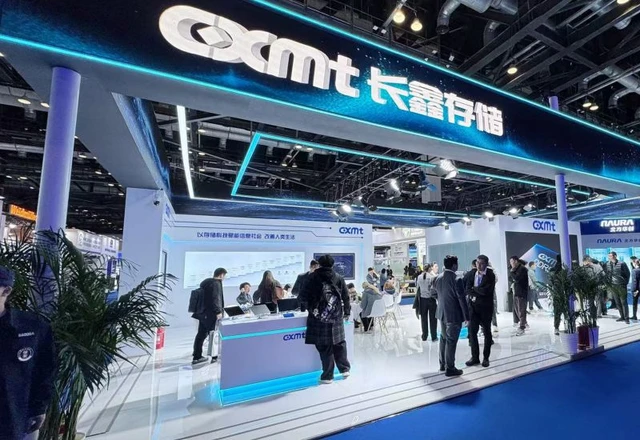
The global surge in artificial intelligence has triggered a latent hardware crisis that extends far beyond the realm of software algorithms. The skyrocketing demand for computational power has ignited fierce competition for semiconductors, effectively squeezing consumer-grade segments out of the market. We are witnessing a fundamental transformation of supply chains, where access to memory is becoming an existential imperative for business survival. This deficit threatens to be the defining catalyst for electronics development through 2027.
The era of Large Language Models (LLMs) and generative AI has triggered an unprecedented "infrastructure crunch." Modern neural networks demand colossal volumes of high-bandwidth memory, forcing a drastic shift in DRAM manufacturing priorities. Today, approximately 60% of global RAM production capacity has been pivoted toward server solutions and data centers. Consequently, the consumer PC market is grappling with a forced shortage, characterized by a steady climb in prices for both memory modules and solid-state drives (SSDs).
The pressure is most acute in the DDR5 RDIMM segment—specialized server modules where price hikes are most pronounced. This trend is not a mere market fluctuation; it represents a fundamental reallocation of resources. Industry analysts warn that the operational risk of component unavailability is becoming more critical than the financial cost of procurement itself. There is a tangible probability that by 2027, consumer supply volumes could plummet to critical levels, creating a profound divide between data center capabilities and hardware accessibility for the average user.
In response to these challenges, market leaders are pivoting toward a strategy of aggressive stockpiling. To hedge against total supply chain collapse, companies are building multi-year reserves, investing hundreds of millions of dollars into warehousing. This shift transforms memory procurement from a routine operational task into a strategic battle for survival.
However, such a strategy is far from universal. Small and medium-sized electronics manufacturers, lacking the leverage to secure long-term contracts with semiconductor giants, find themselves in an extremely precarious position. Concerns are mounting within the industry that by the end of the year, many second- and third-tier companies will be forced to either cease production or declare bankruptcy, simply because they cannot source basic components.
Thus, the AI technological leap is creating a paradoxical reality: while the capabilities of neural networks expand, the physical foundation required to sustain them is becoming a scarce resource—effectively siphoning memory away from personal computers and redistributing it toward cloud computing.
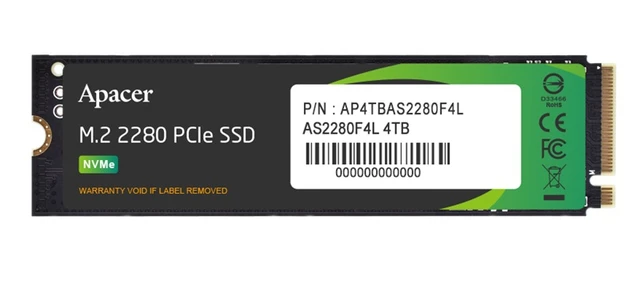
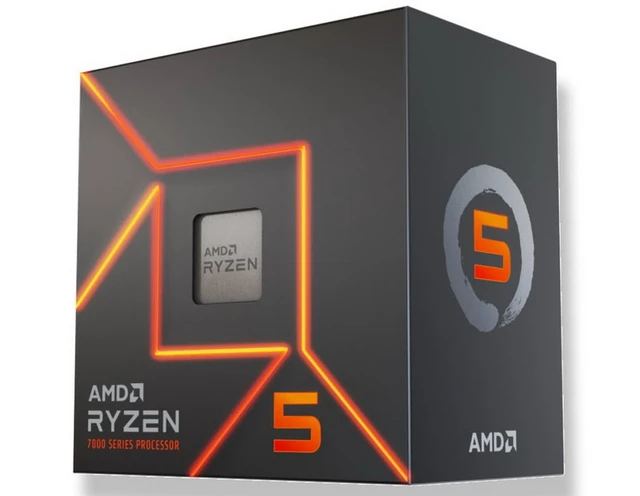 AMD’s Strategic Approach to the Budget Segment