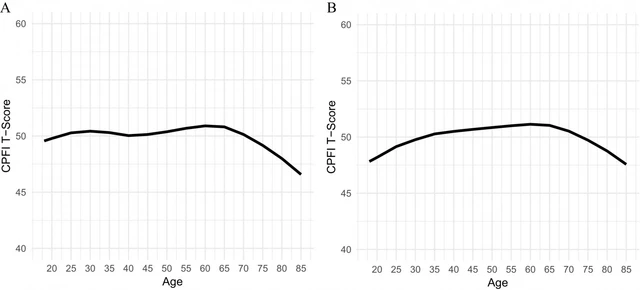
For decades, the notion that human cognitive performance peaks in youth was accepted as an immutable truth. Yet, contemporary research is compelling a fundamental reassessment of our understanding of intellectual biology and professional efficacy. Evidence suggests that the true zenith of psychological functioning arrives much later—typically between the ages of 55 and 60. This phenomenon is driven by a sophisticated equilibrium: while raw reaction speeds may gradually decline, they are offset by a profound surge in emotional intelligence and intellectual maturity.
For decades, modern psychology has been dominated by the perception of intelligence as a finite resource—one that begins to deplete almost immediately after physiological maturity. Particular emphasis was placed on "fluid intelligence": the capacity for rapid cognition, the processing of novel information, and the ability to solve problems under conditions of uncertainty. This metric indeed reaches its zenith around age 20, followed by a steady, inevitable decline. However, such a narrow lens ignores a fundamental dimension of human development: the synthesis of experience, knowledge, and emotional regulation.
To gain a more profound understanding of this process, researchers at the University of Western Australia developed a multidimensional tool known as the Cognitive-Personality Functioning Index (CPFI). Rather than merely measuring reaction speed or working memory capacity, this index integrates a wide array of variables. The analysis employed two primary models: "cognitive priority," which focuses on traditional IQ and stable personality traits, and "comprehensive weighting," which accounts for a broader spectrum of competencies, including decision-making skills and emotional intelligence.
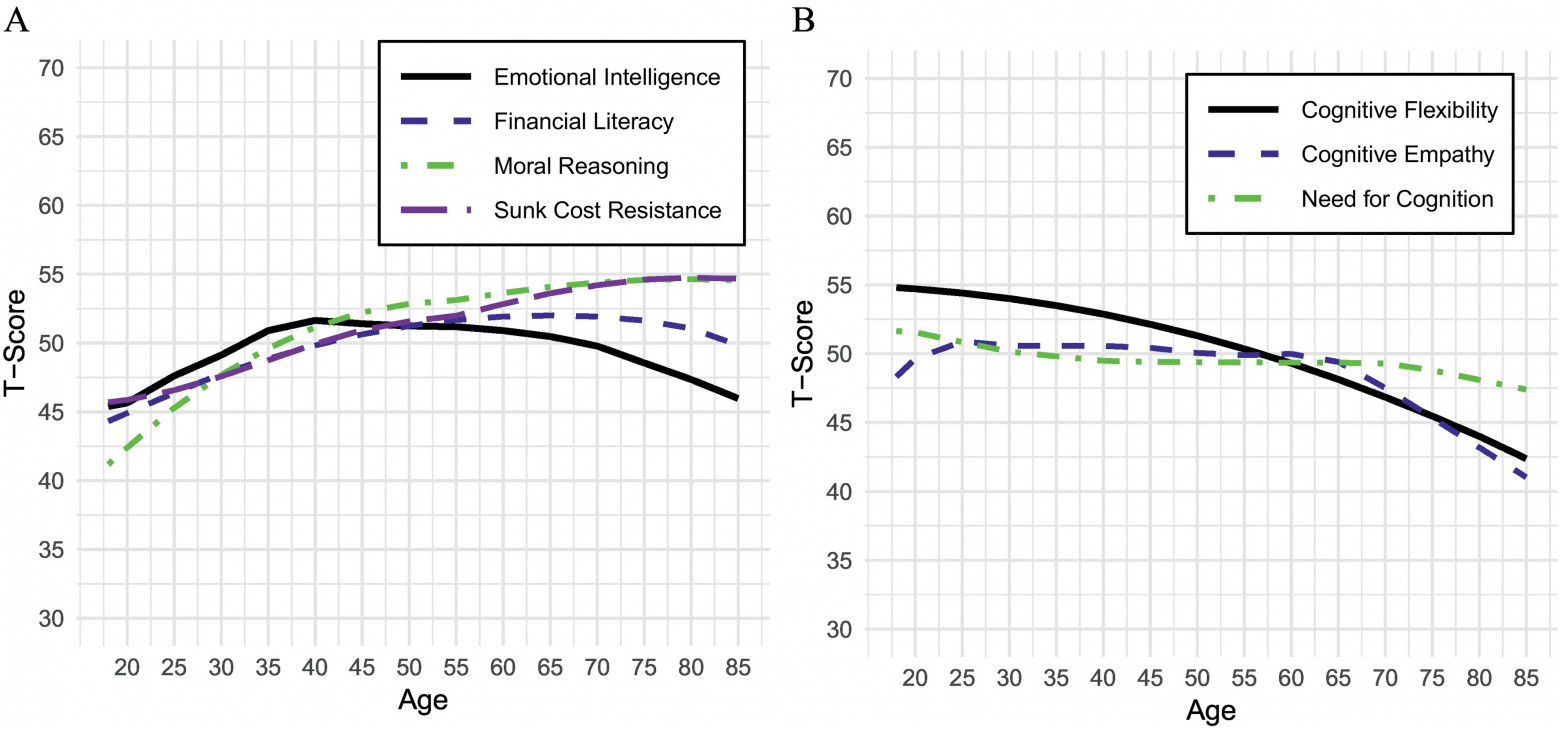
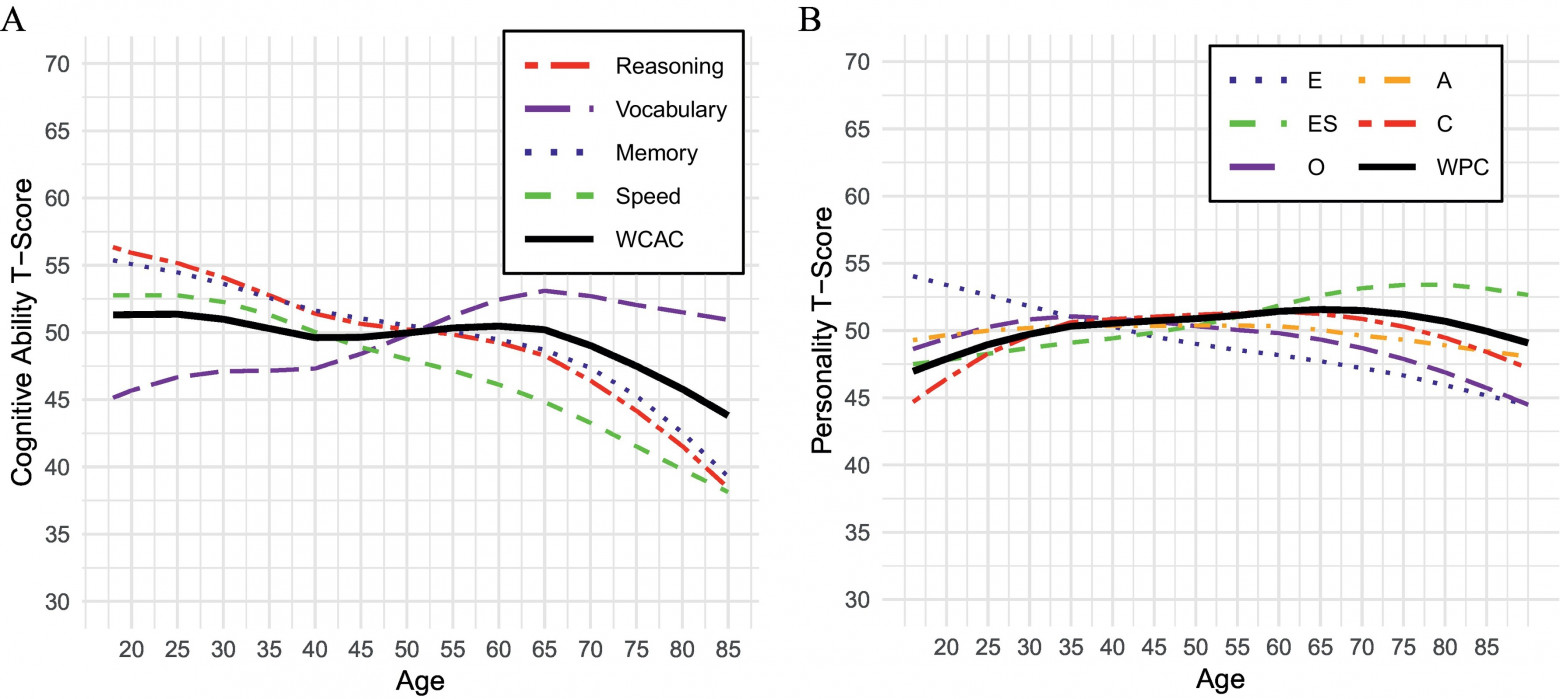
The results reveal a paradoxical yet inspiring dynamic. While the brain's "hardware"—processing speed and operational memory—begins to falter after age 30, the "software" continues to evolve. Vocabulary, financial literacy, moral reasoning, and the capacity for empathy continue to expand over several decades.
Personality development plays a pivotal role here. Conscientiousness, discipline, and emotional stability—the ability to remain composed in critical situations—reach their peak in mature adulthood. This creates a point of convergence where accumulated life experience and psychological resilience fully compensate for the slowing of neural processes. It is in the window between 55 and 60 that this synergistic effect reaches its apogee, forging the true peak of a human being's psychological readiness.
This pattern is directly reflected in social and professional hierarchies. There is a clear correlation between this cognitive peak at 55–60 and the timing of maximum career achievement. The competencies required to manage complex systems, make strategic decisions, and exercise high-level leadership cannot be fully developed by age 25, regardless of an exceptional innate IQ.
Consequently, effectiveness in roles demanding a deep synthesis of knowledge and high levels of responsibility—whether as judges, political leaders, or corporate executives—peaks in late middle age. Before 40, individuals often lack the necessary emotional maturity and breadth of context; after 65, biological decline begins to outweigh the advantages of experience.
From a biological perspective, this process is even more remarkable. Although gray matter volume begins to decrease after 30, the brain demonstrates astonishing plasticity. Neural networks rewire themselves, creating alternative pathways for information processing. This allows the mature individual to arrive at the correct conclusions not through raw speed, but through the precision and efficiency of their cognitive algorithms. Thus, in the context of intelligence, aging emerges not as a process of loss, but as a process of optimization.
 Bionic Emergency Medical Response Systems