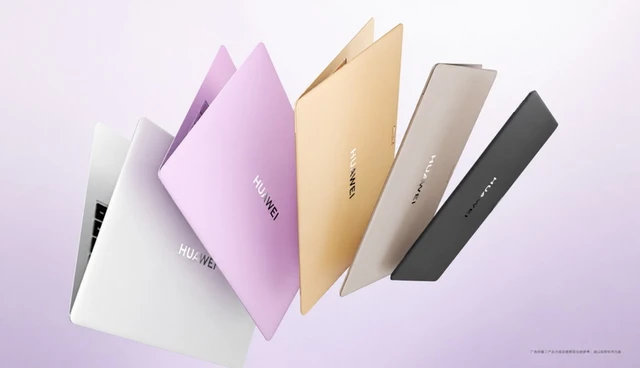
The laptop industry has entered a phase of radical reimagining, pushing the boundaries of portability and performance to their absolute limits. Huawei’s new MateBook Pro S arrives as a direct response to the market's demand for a powerhouse workstation that remains virtually weightless in hand. By blending proprietary silicon with cutting-edge materials, Huawei is positioning itself to challenge the established incumbents of the segment. This device marks a pivotal milestone in the convergence of high-performance hardware and intelligent ecosystems.
For too long, the ultrabook market has been mired in stagnation, with manufacturers fighting a war of attrition over every single gram, pushing the physical limits of materials to their breaking point. The Huawei MateBook Pro S shatters this mold, delivering a 14-inch device that weighs a mere 798 grams. To put this into perspective, it is approximately 35% lighter than the 13-inch MacBook Air and eclipses the previous record-holder, the Fujitsu FMV Note U, which clocked in at 848 grams. Despite this weight loss, engineers have managed to retain a premium metallic chassis and an incredibly slim profile of 11.9 mm, establishing the laptop as a new benchmark for professional mobility.
The visual experience is centered around a flexible 14.2-inch OLED display with a resolution of 3120 × 2080 pixels. A 120Hz refresh rate and peak brightness of 1600 nits ensure flawless legibility even under direct sunlight. Of particular note is the Lingdun privacy technology; triggered by a dedicated physical button on the chassis, it allows users to instantly restrict viewing angles or alter content display so that information remains visible only to the owner. This approach mirrors data protection concepts found in premium smartphones, effectively transforming the screen into a personal secure terminal.
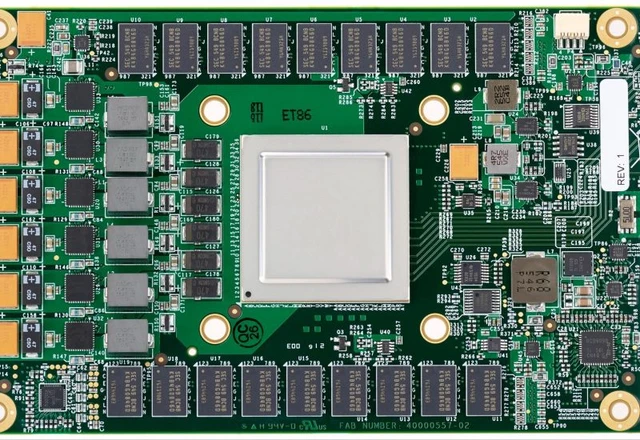
Under the hood, the MateBook Pro S packs significant computational horsepower driven by the proprietary Kirin XE90 processor. This chip represents a major evolutionary leap: single-threaded performance has increased by 23%, while energy efficiency has improved by 25% over the previous generation. The centerpiece is the integrated Neural Processing Unit (NPU), which operates 40% faster than its predecessor in the Kirin X90—a critical upgrade for running AI models locally on the device.
To combat thermal throttling within such a slender chassis, Huawei has implemented an upgraded cooling system featuring dual active fans and a vertically oriented graphene thermal interface. This engineering synergy allows the device to maintain a stable performance envelope of up to 20W, an impressive feat for a machine in this weight class.
Autonomy is handled by a 54Wh battery supporting 66W fast charging via USB-C. The claimed battery life for 1080p video playback exceeds 18 hours, effectively eliminating the user's dependence on power outlets throughout the workday. An additional advantage is the reverse charging feature, allowing the laptop to function as a power bank for other peripherals.
On the software side, the device runs HarmonyOS 6.1, which is deeply integrated with both the hardware and AI capabilities. The system offers more than just an interface; it provides a comprehensive intelligent layer, ranging from the advanced Celia voice assistant to automated meeting transcription tools and deep data analysis. Coupled with Wi-Fi 7+ support, the device becomes the central hub of the Huawei ecosystem, ensuring seamless interoperability between tablets, smartphones, and PCs.
Various memory configurations are available, ranging from base models with 24GB of RAM and a 512GB SSD (priced at approximately $1,185) to collector's editions featuring a 1TB drive, reaching up to $2,220. Ultimately, the MateBook Pro S is positioned not merely as a lightweight laptop, but as a high-tech instrument for those who demand maximum power within a minimal footprint.
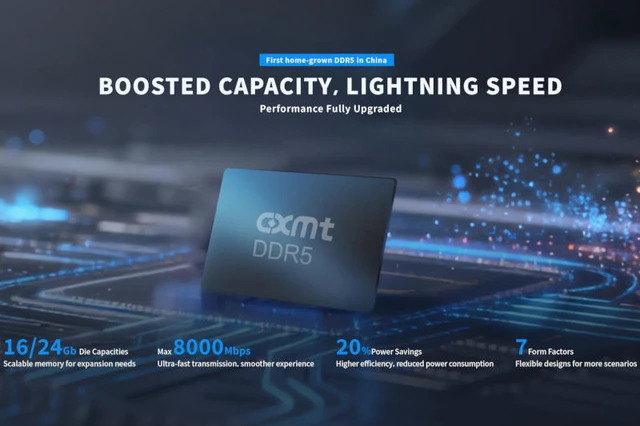 The Price of Acceleration: CXMT’s Rapid Push into Memory