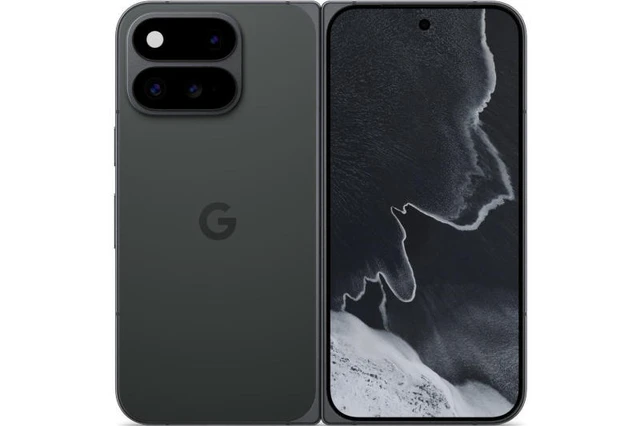
The foldable device market has officially transitioned from a phase of technological experimentation into a mature era of productivity tooling. With the introduction of the Pixel 11 Pro Fold, Google is prioritizing deep synergy between hardware architecture and neural network capabilities over radical shifts in form factor. The new device reflects a pursuit of the perfect equilibrium between ergonomics and computational power—an ambitious bid to establish a gold-standard smartphone where artificial intelligence serves as a seamless, organic extension of the user interface.
The evolution of the Pixel 11 Pro Fold’s form factor centers on the nuanced refinements that define the daily user experience. The device is noticeably leaner and lighter; while a 1mm reduction in folded thickness and a weight loss of nearly 10 grams may seem marginal, in the context of foldable hardware, these changes significantly enhance one-handed ergonomics. Structural integrity has been bolstered through the integration of multi-layered steel and aerospace-grade aluminum alloy within the hinge mechanism, while the IP68 rating confirms the device's readiness for real-world, non-sterile environments.
The visual experience is driven by dual high-tech Super Actua panels. The 6.5-inch external display, with a resolution of 2342 × 1080 pixels, provides the familiarity of a traditional smartphone, while the internal 8-inch Super Actua Flex display transforms the device into a fully realized compact tablet. Both screens support an adaptive refresh rate ranging from 1 to 120 Hz—a pivotal feature for power management—and a peak brightness of 3600 nits ensures flawless legibility even under direct sunlight.
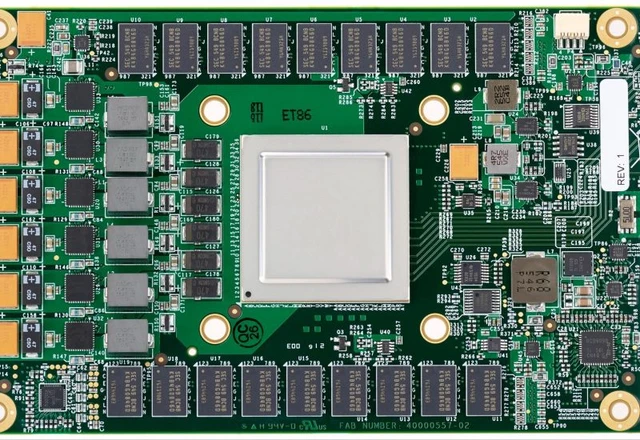
At the core lies the Google Tensor G6 processor, working in tandem with the Titan M3 security coprocessor. The engineering philosophy here pivots toward optimization: the chip is 20% more energy-efficient, and the specialized TPU accelerator has seen a 50% performance boost. This leap allows more complex data processing tasks to be handled directly on-device. The local Gemini Nano model now processes queries with minimal latency, enabling instantaneous live translation and intelligent support without the need for constant cloud communication.
The Pixel 11 Pro Fold’s camera array upholds Google's legacy of computational photography. The primary 48MP Quad PD module with an f/1.70 aperture now boasts a 56% increase in light intake, significantly elevating image quality in low-light conditions. A 10.5MP ultra-wide lens supports macro photography, while the 10.8MP telephoto lens—featuring 5x optical zoom and advanced stabilization—allows for effective long-range capture, reaching up to 30x magnification via Super Zoom. Particularly noteworthy is the Dual Screen feature, which leverages the external display as a viewfinder when utilizing the primary camera for selfies.
A compelling fusion of aesthetics and utility is the HiLight LED indicator encircling the flash. This element reimagines the classic notification LED for the modern era: when the phone is placed face-down, the ring signals critical calls or displays the current status of the Gemini AI assistant.
The device's technical specifications firmly place it in the ultra-premium tier. 16GB of RAM and storage options up to 1TB operate on Zoned UFS technology, which optimizes data storage and accelerates access speeds. Power endurance is provided by a 4806 mAh battery supporting 30W fast charging. The implementation of the Qi2.2 standard with the Pixelsnap magnetic system has increased wireless charging power to 25W, making the charging process more stable and intuitive.
Rounding out the design are the understated Olive and Obsidian colorways. In terms of market positioning, the Pixel 11 Pro Fold remains a premium offering, with pricing starting at €1999 in Europe and $1899 in the US. Despite a slight price increase over the previous generation, the device offers significantly deeper integration between hardware and software, transforming the foldable screen from a mere marketing novelty into a genuine engine of productivity.
 Anthropic’s Strategic Push for Hardware Independence