The global automotive landscape is undergoing a fundamental paradigm shift, where the vehicle is evolving from a standalone product into a single component within a vast technological ecosystem. In China, this trend has manifested as a race toward anthropomorphic solutions designed to redefine the very nature of brand-consumer engagement. BYD, the region's dominant player, is integrating "Xiao Di" robots into its showrooms, effectively transforming retail spaces into showcases for cutting-edge robotics. This strategic pivot serves as both a countermeasure to market stagnation and an ambitious effort to reimagine the customer experience through the lens of high technology.
The contemporary Chinese automotive landscape has evolved beyond mere manufacturing; it has become a high-stakes arms race in artificial intelligence and sensor technology. As even the smaller players strive to develop their own humanoid assistants, BYD is integrating its Xiao Di robots into its flagship "Di Space" environments. Amidst a four-month slump in electric and hybrid vehicle sales, the company requires a new catalyst for engagement—and a high-tech "brand ambassador" has emerged as the ideal tool for refreshing its corporate image.
The technical architecture of Xiao Di is deeply intertwined with advancements in autonomous driving. The "God’s Eye" software suite, originally engineered to govern self-driving vehicles, serves as the foundation for the robot's cognitive functions. The convergence of autopilot systems and robotics is palpable: both domains rely on the same fundamental principles of computer vision, real-time spatial data analysis, and the processing of complex sensory arrays. In essence, the robot acts as the tangible manifestation of the intelligence that powers BYD’s vehicles.
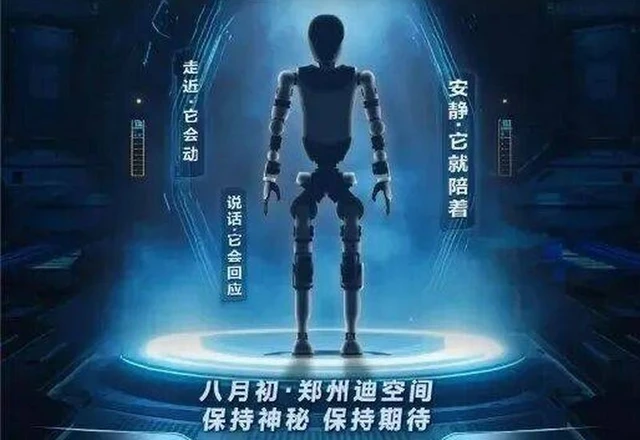
From an engineering perspective, Xiao Di is a finely tuned system. Standing 1.61 meters tall and weighing 58 kg, the unit boasts high mobility. Its design features 31 degrees of freedom—seven dedicated to manual dexterity and six to leg movement. This level of articulation allows the robot to do more than simply navigate the showroom; it can demonstrate vehicle features with human-like precision, which is critical for a high-quality presentation experience.
Particular emphasis has been placed on interaction interfaces. The robots are capable of facial and gesture recognition and support six Chinese dialects alongside six foreign languages, positioning them as versatile conduits for communication in an era of globalization. The integration of lip-reading capabilities allows the system to operate effectively even within the cacophony of a busy dealership where traditional microphones often fail. This transforms Xiao Di from a mere novelty into a fully functional service employee capable of conducting meaningful dialogue and advising clients.
The current rollout strategy begins in Zhengzhou, with subsequent expansions into Shenzhen and Shanghai. BYD plans to deploy two or three units per showroom, with the goal of covering the entire sales network within the next two years. While the immediate focus remains exclusively on retail and after-sales service, the potential for expansion into industrial or domestic sectors remains open. BYD views this current phase as a pilot period to refine human-machine interaction (HMI) protocols before potentially scaling into more mass-market robotics segments.
 Anthropic’s Strategic Push for Hardware Independence