The era of manually parsing system logs and hunting for memory leaks within Task Manager is steadily drawing to a close. Microsoft is fundamentally reimagining its approach to technical support by embedding the power of Large Language Models (LLMs) directly into the operating system's diagnostic framework. Hardware troubleshooting is evolving from a tedious technical ordeal into an intuitive, conversational experience. However, this drive toward universal accessibility now collides with a critical challenge: the efficient management of system resources.
As Microsoft continues to evolve the Windows 11 ecosystem, the company has begun testing "PC Insights," a new feature integrated directly into Copilot. This initiative marks a strategic pivot from traditional monitoring tools toward a conversational interface for system health management. Rather than manually interpreting load graphs or hunting for obscure parameters deep within system settings, users can now simply ask the AI why their machine is slowing down or inquire about remaining disk space.
Technically, PC Insights operates as an intelligent abstraction layer over Windows system APIs. The tool is capable of aggregating data on CPU and GPU utilization, analyzing battery health, verifying antivirus status, and monitoring connected peripherals. A critical pillar of its security architecture is strict access control: Copilot only gains access to system metrics upon explicit user consent. Furthermore, in its current evolutionary stage, the feature is limited to a "read-only" mode. This means the AI functions as an expert consultant—capable of diagnosing issues and suggesting remedies—but lacks the authority to independently modify system configurations or edit the registry.
Currently, access is limited to Windows Insider participants in the United States. Microsoft's strategic objective is clear: to minimize cognitive load by transforming complex diagnostics into an intuitive chat experience. The goal is to enable millions of users to pinpoint the causes of system failures without requiring deep technical knowledge of the operating system's inner workings.
However, integrating resource-heavy neural networks into core OS functionality creates a distinct technological paradox. Early tests indicate that the Copilot application can consume up to 1 GB of RAM even while idling. In the context of system diagnostics, this presents an ironic scenario: a tool designed to identify performance degradation becomes a significant source of resource overhead itself. Consequently, developers face a critical challenge—striking a balance between the assistant's intelligence and its memory footprint to ensure that the diagnostic tool does not become the very problem it is meant to solve.

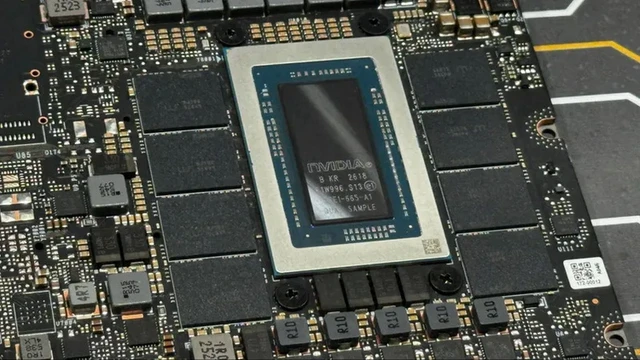 Nvidia N1X and the New Era of Arm PCs