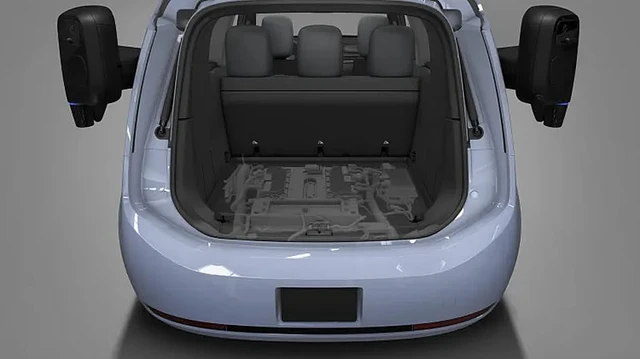
The COVID-19 pandemic catalyzed more than just societal shifts; it provided a powerful impetus for the evolution of hygiene technologies. Today, the industry is pivoting from makeshift, temporary measures toward the systemic integration of sterilization tools into our daily environments. South Korean automotive giant Hyundai is introducing a solution designed to transform the vehicle cabin into a controlled, sterile zone. At the core of this concept is the application of a specific ultraviolet spectrum capable of neutralizing pathogens while remaining entirely safe for human exposure.
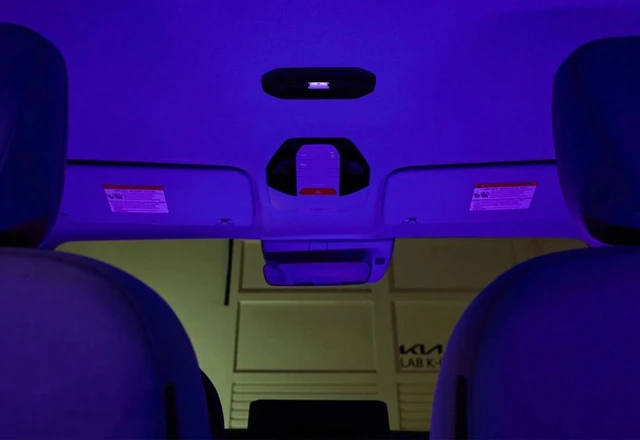
Technological progress often operates with a certain inertia: concepts forged in the heat of a global crisis frequently only reach maturity after years of rigorous research. This is precisely the trajectory of the bactericidal cabin purification system currently being deployed by Hyundai and Kia. While ultraviolet radiation previously necessitated the complete evacuation of occupants or the use of stringent protective gear for skin and mucous membranes, the new approach from Korean engineers represents a fundamental paradigm shift in safety.
The core of the technology lies in the precision-tuning of the wavelength. Engineers have focused on a narrow emission spectrum ranging from 200 to 230 nm. From a biophysical perspective, this interval is critical: these wavelengths possess sufficient energy to disrupt the DNA and RNA structures of microorganisms, yet they lack the capacity to penetrate the outermost keratin layer of human skin. This creates a "selective barrier"—a mechanism that eradicates bacteria while leaving human tissue entirely unscathed.
Practical trials conducted on an experimental minivan have validated the method's high efficacy. Tests utilizing Petri dishes demonstrated that just 40 minutes of UV exposure eliminates 99.9% of Escherichia coli. Beyond pathogen control, the system addresses an aesthetic challenge: the radiation neutralizes the organic sources of unpleasant odors that inevitably accumulate within the confined environment of a vehicle.
The potential of this technology extends far beyond private transportation. The solution is primarily targeted at the commercial transit and emergency services sectors. For taxis, which handle a massive volume of passengers, and ambulances, where sterility is a matter of life and death, such a system will become a hygiene standard. Furthermore, integrating ultraviolet sterilization into freight logistics could significantly extend the shelf life of food products by inhibiting the growth of microflora on surfaces, even in the absence of airtight packaging.
The prospects for implementing this system are not limited to the automotive market. Korean developers emphasize that these radiation sources could be integrated into the infrastructure of public buildings—schools, hospitals, and administrative centers. This would enable the creation of environments with continuous yet safe monitoring and control of pathogenic bacteria, transforming ordinary spaces into high-tech "health zones."
 The Evolution of Solid-State Batteries: From Smartphones to Electric Vehicles