The transition of legendary automotive marques toward electrification has evolved beyond a mere technical hurdle; it has become a fundamental clash of philosophies. Ferrari—a brand that for decades epitomized raw passion and the visceral roar of the internal combustion engine—sought to redefine its identity with the introduction of the Luce. Yet, the debut of the newcomer devolved into a marketing fiasco, triggering an immediate ripple effect across the company's stock price and executive leadership. This case exposes a profound disconnect between the ambitions of technological advancement and the expectations of a conservative elite of luxury connoisseurs.
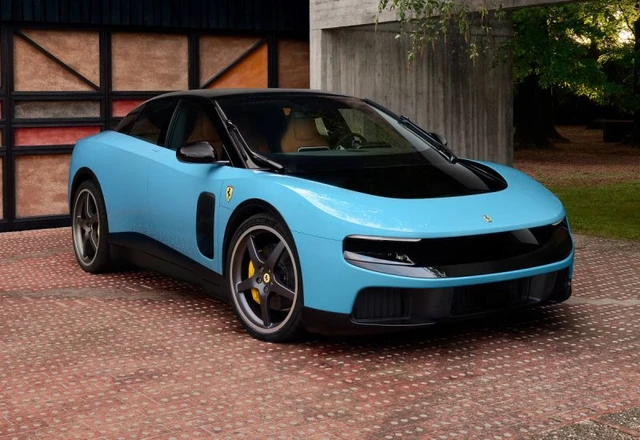
Ferrari's venture into the electric era with the Luce has emerged as one of the most contentious episodes in modern automotive history. At the center of the storm is the design, shaped by Jony Ive—the man who defined Apple's visual language. However, the sterile minimalism that proved so successful in the world of gadgets clashed violently with the aggressive, emotive aesthetic of the Italian marque. The result was a product that, instead of inspiring awe, triggered a wave of criticism and ridicule across social media.
The fallout from this aesthetic and strategic misstep proved fatal for the executive suite. Enrico Galliera, the Chief Marketing and Sales Officer who dedicated over sixteen years to the company, has stepped down. Despite the corporate euphemisms regarding a "desire to open a new chapter," the chronology of events points to a direct link between the failed launch of the Luce and the top manager's resignation. Taking Galliera's place is Massimiliano Di Silvestre, whose leadership experience at BMW Italy is expected to help the brand recalibrate its positioning.
The Luce crisis extended far beyond mere aesthetics. Against the backdrop of a surging Chinese EV market, where technical specifications are evolving exponentially, Ferrari's offerings appeared underwhelming. Furthermore, a €550,000 price point set an unjustifiably high bar of expectation—one the vehicle failed to clear. The market's verdict was swift and severe: shares plummeted by 8% on the day of the unveiling, a stark alarm bell for a brand of this prestige.
The industry was particularly bewildered by the format of the Rome presentation. The marketing execution felt haphazard; key specifications and interior details leaked online prior to the official reveal, stripping the event of its impact. More critically, journalists were barred from conducting test drives. For a vehicle claiming the mantle of a sports car, the inability to evaluate its dynamics and handling in real-time was a critical blunder, effectively stripping the "thoroughbred" electric car of its credibility.
The situation is further complicated by a fundamental clash of visions. At the helm is Benedetto Vigna, a semiconductor industry veteran with extensive experience at STMicroelectronics. It was his technocratic ethos that steered the transition to electric power. However, in the realm of hypercars, raw data and semiconductor efficiency often pale in comparison to the visceral, emotional connection forged by engine notes and heritage.
Ferrari now finds itself in a precarious position. It is caught between the global imperative of decarbonization and the risk of alienating its core enthusiasts—for whom Ferrari represents "sound and fire" rather than silent weight transfer. Should the brand's conservative loyalists reject this new electric paradigm, the fallout may extend beyond the marketing department to the very top of the corporate hierarchy.
 The Evolution of Solid-State Batteries: From Smartphones to Electric Vehicles