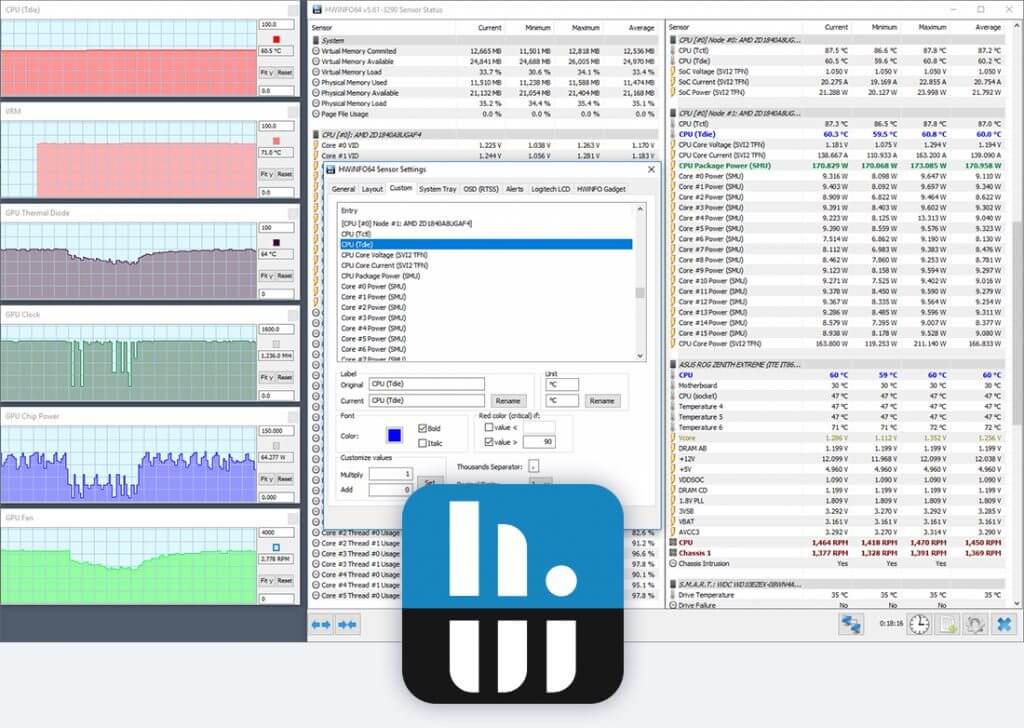
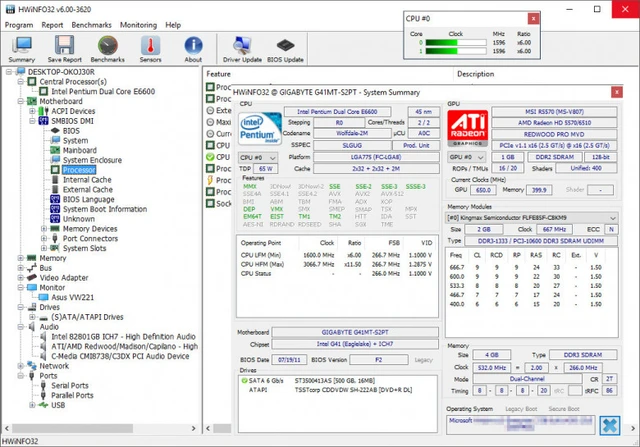
The modern PC ecosystem is becoming increasingly intricate, necessitating surgical precision in hardware telemetry. HWiNFO has long established itself as the gold standard for enthusiasts and professionals seeking granular insight into the behavior of their silicon. With the launch of version 8.50, the tool continues its evolution, integrating support for next-generation platforms and optimizing its data acquisition protocols. This release is far more than a routine update; it is a critical adaptation to the volatile landscape of contemporary processors and graphics accelerators.
The release of HWiNFO 8.50 marks another milestone in the evolution of one of the most granular PC diagnostic tools available. The utility, which traditionally blends system monitoring with deep hardware analysis, has received a series of critical updates aimed at supporting the latest technological standards and specialized hardware solutions.
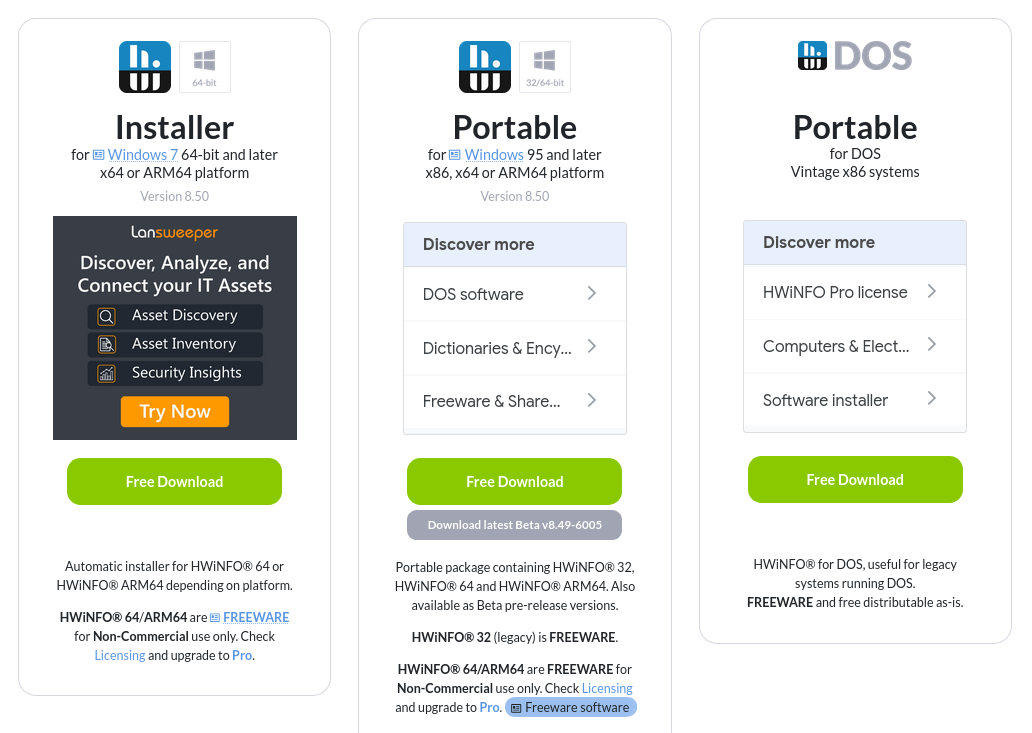
The latest iteration places a strategic emphasis on both current and upcoming platforms. The integration of Intel Nova Lake support signals the tool's readiness for future processor generations—a crucial addition for early-stage testing and system optimization. Concurrent enhancements to Nvidia GPU support now provide users with precise telemetry for core and memory clocks, as well as XBAR data, allowing for high-fidelity tracking of GPU behavior under load.
The update's technical scope extends to niche hardware as well. Specifically, fan speed monitoring has been implemented for the MSI Claw 8 handheld, and sensor performance has been optimized for Maxsun 275HX series motherboards. Furthermore, the integration of the latest Intel PresentMon ensures more accurate, real-time CPU performance data collection.
Beyond expanding hardware compatibility, the developers have focused on enhancing informational depth and system stability. The interface now displays the ACPI version, offers expanded support for Corsair Link devices, and provides detailed information regarding monitor audio output capabilities (Display Audio). For those prioritizing workspace aesthetics, the background color of the on-screen menu is now customizable. Stability improvements include fixes for AMD Radeon RX 6500XT recognition, crashes triggered by excessively long sensor names, and data loss issues affecting custom sensors and WHEA.
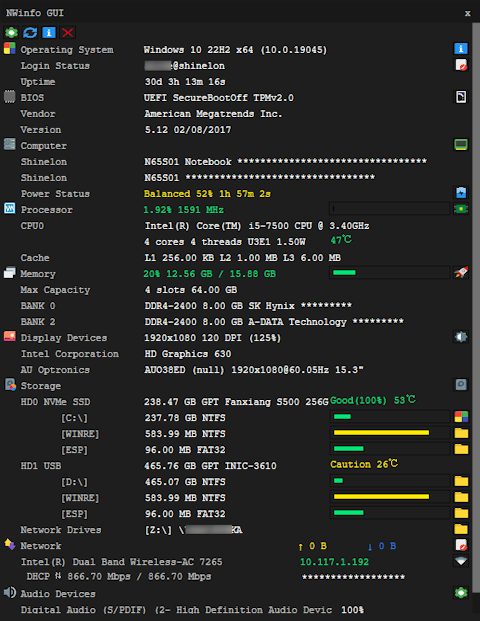
The HWiNFO update highlights a broader trend in the diagnostic software market: the coexistence of comprehensive "powerhouse" suites and ultra-lightweight utilities. A prime example of the latter is NWinfo 1.6.5—an open-source, portable tool written in C. Its philosophy centers on extreme minimalism and broad compatibility, extending back to Windows XP, making it an indispensable tool for rapid system audits without the overhead of bulky software.
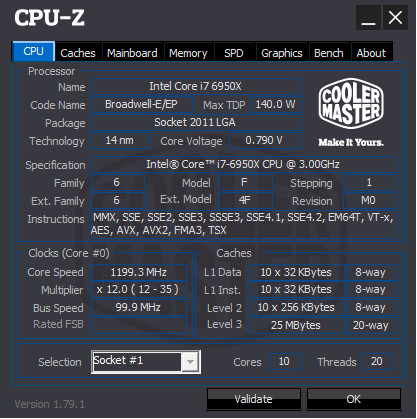
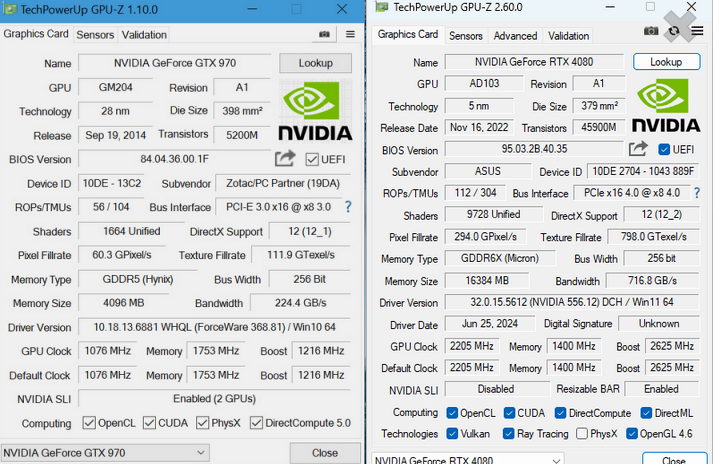
The stalwarts of system analysis continue to evolve. CPU-Z version 2.20 remains the gold standard for instantaneous CPU parameter identification, maintaining its functional purity. Similarly, TechPowerUp’s GPU-Z 2.70 has remained visually consistent for nearly two decades, focusing exclusively on the precision of GPU data retrieval.
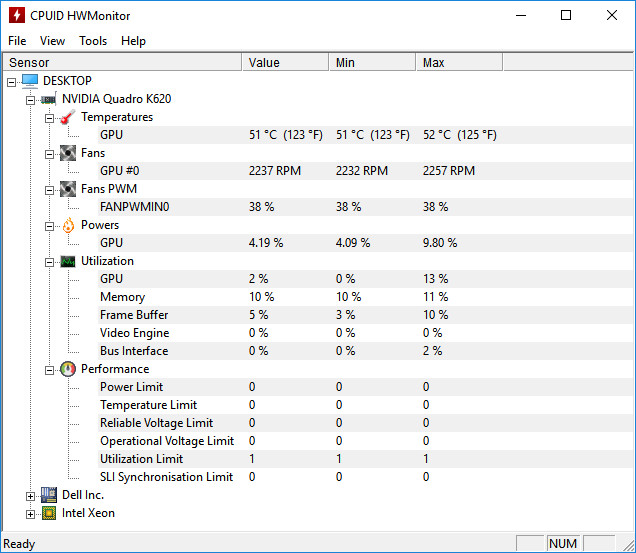
For users requiring continuous monitoring of baseline metrics, HWMonitor 1.64 remains a relevant choice. With over 16 years of development, this tool specializes in reading voltages, temperatures, and fan speeds via popular ITE and Winbond chips, as well as drive S.M.A.R.T. data.
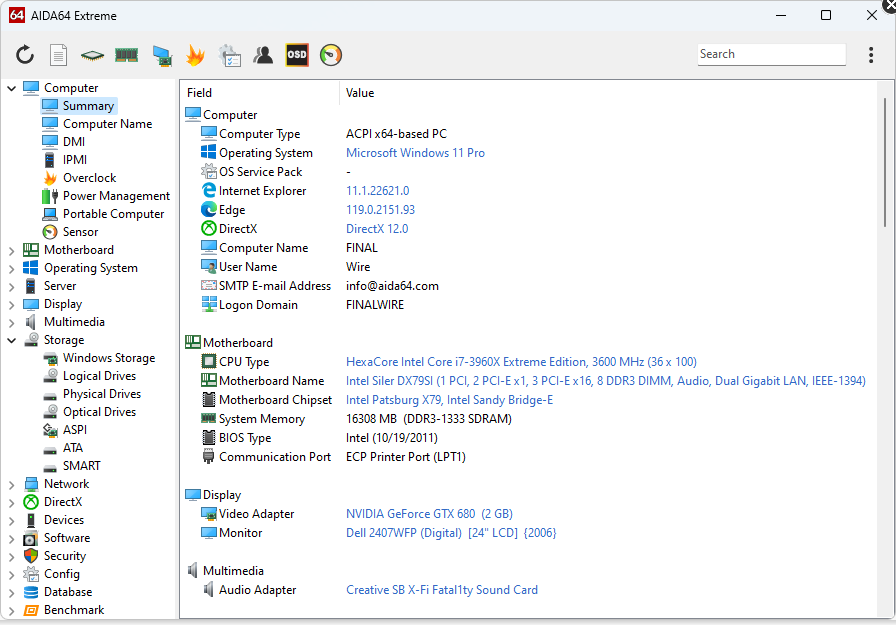
Rounding out the professional-grade hierarchy is AIDA64 8.30 from the Hungarian firm FinalWire. Unlike its free counterparts, this suite offers full-scale benchmarking and the most exhaustive analysis of all system components. The project demonstrates impressive longevity; despite dropping support for legacy OSs like Windows 95 and 98, it remains cutting-edge for modern systems, offering flexible licensing and a trial period for full feature exploration.
Ultimately, the modern user is faced with a choice between lean, specialized tools and multi-functional ecosystems like HWiNFO or AIDA64. Each serves a distinct purpose—ranging from a quick specification check to professional-grade stress testing and precision system tuning.
 The Pinnacle of Clarity: AOC's New 5K Monitor