The era of human-AI interaction is transcending the confines of flat screens and text prompts. The collaboration between OpenAI and Work Louder has culminated in the Codex Micro—a specialized device engineered to reduce the cognitive overhead inherent in managing AI agents. At its core, the concept focuses on minimizing context switching across interfaces to facilitate a state of deep flow. This macropad transforms the orchestration of complex neural network processes into an intuitive, tactile experience.
The contemporary workflow of developing and interacting with Large Language Models is frequently plagued by excessive "context switching." The constant oscillation between code editors, terminals, and AI chat interfaces creates a level of cognitive noise that actively hinders productivity. To solve this friction, OpenAI has partnered with the experts at Work Louder to develop the Codex Micro—a dedicated physical controller designed to streamline these interactions. The device is a heavily modified evolution of the Creator Micro 2 macropad, which previously found success within Figma and Framer ecosystems, but has now been precision-tuned for the management of autonomous agents.
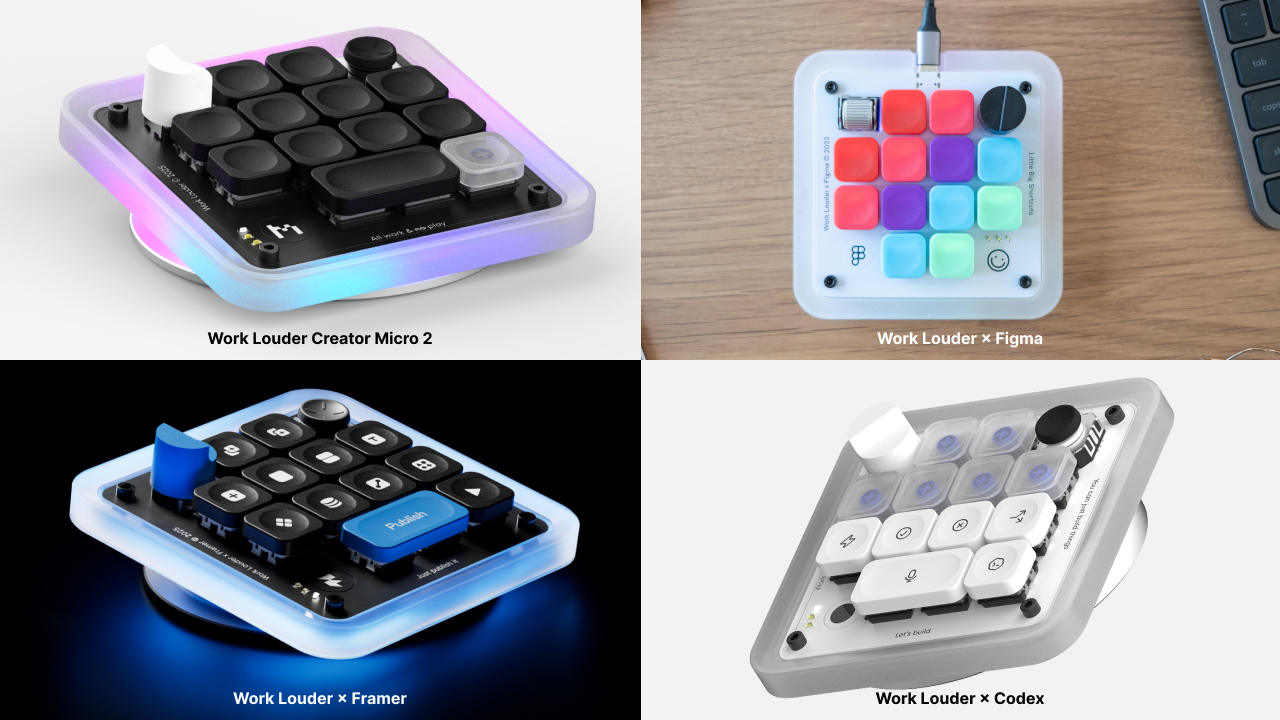
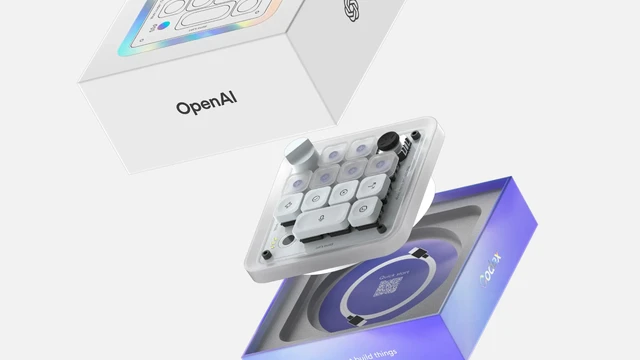
From a technical standpoint, the Codex Micro is far more than a mere collection of shortcut keys; it is a comprehensive feedback instrument. The hardware features 13 mechanical switches, a touch panel, and a rotary encoder. Particular emphasis has been placed on visual communication: six translucent RGB-backlit keys serve as system status indicators. Rather than checking task progress within a software UI, the user receives immediate visual cues directly on the device. These color codes allow for an instantaneous determination of whether an agent is currently computing, awaiting confirmation, or has encountered a critical error.
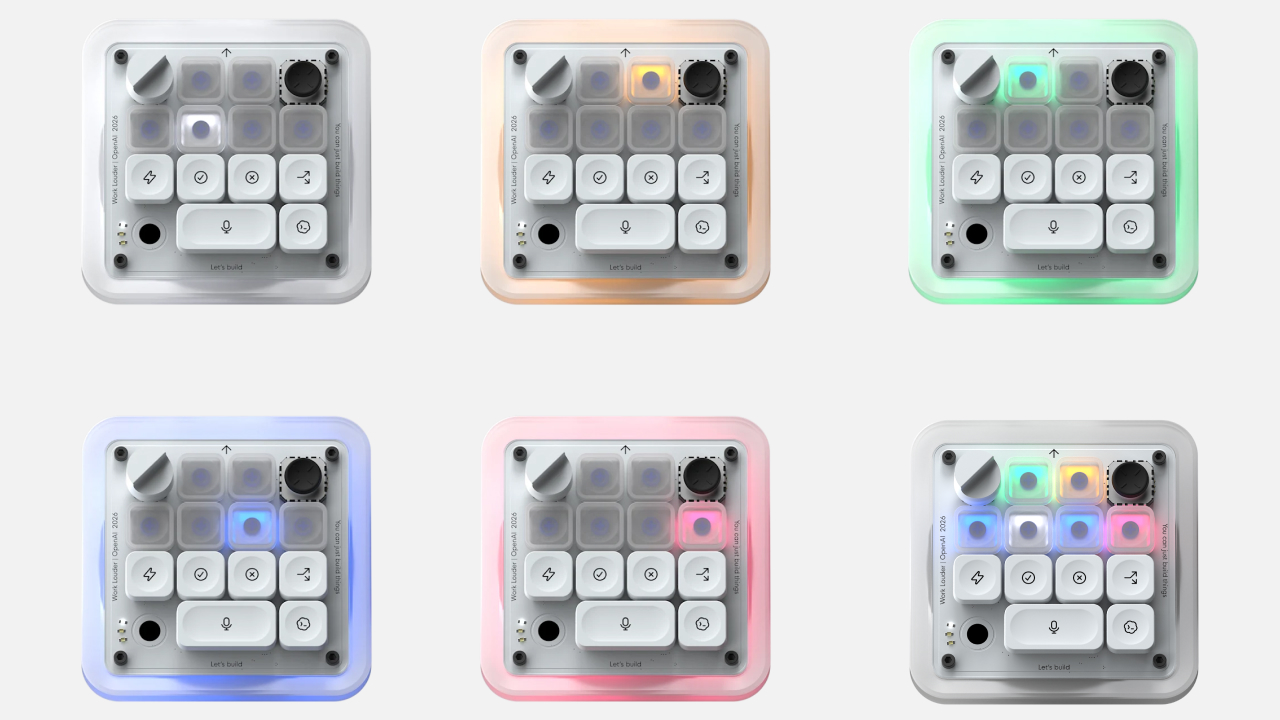
Functional loads are distributed across various input methods to maximize ergonomics. A flat joystick handles the execution of complex scenarios: with a single movement, a user can initiate pull request reviews, trigger deep code refactoring, or launch a hunt for latent bugs. The rotary encoder, meanwhile, manages one of the most critical variables in modern LLMs—the model's reasoning depth. This allows the user to dynamically calibrate the balance between response latency and analytical quality, effectively transforming the tuning of neural network parameters into a tactile process. The remaining keys remain flexible and fully remappable to suit individual workflows, ranging from activating voice mode to instantly spawning new context windows.
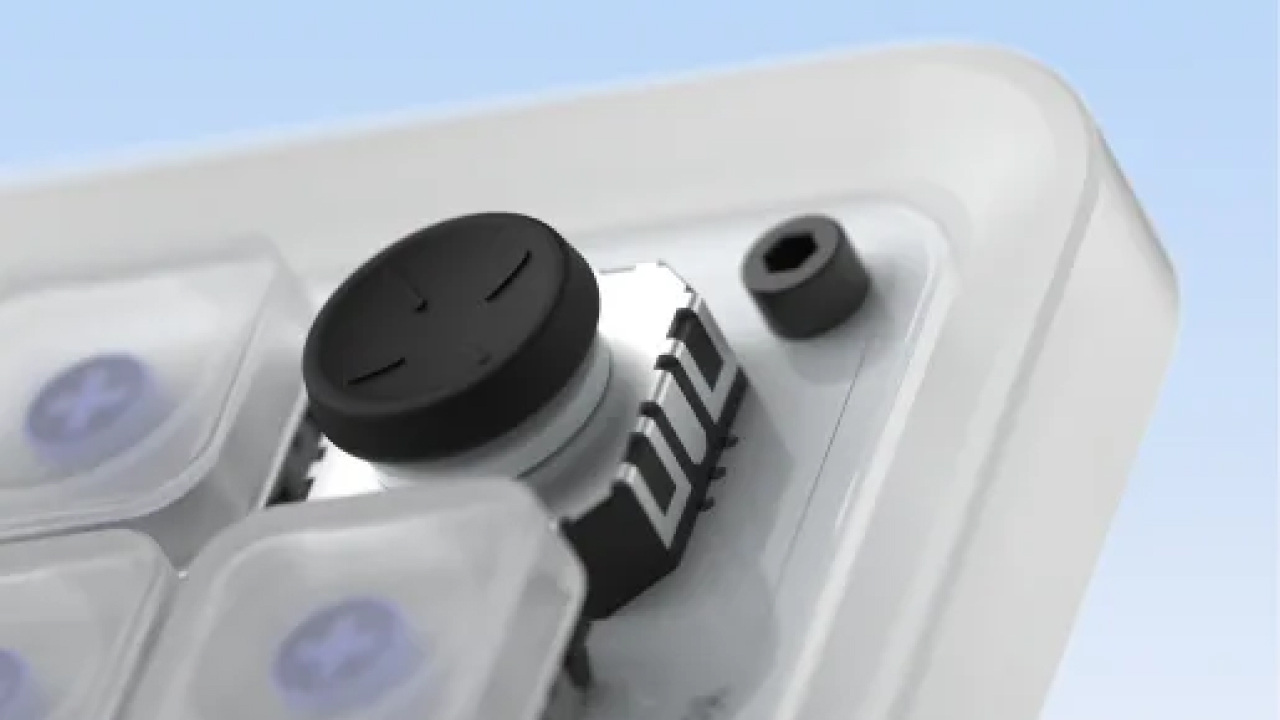
In terms of build quality, the device meets the rigorous standards of premium developer hardware. The chassis is constructed from a blend of aluminum and polycarbonate, ensuring both structural rigidity and long-term durability. To facilitate workspace customization, the package includes a set of 32 interchangeable keycaps featuring Codex icons, allowing users to map their physical layout to specific operational patterns.
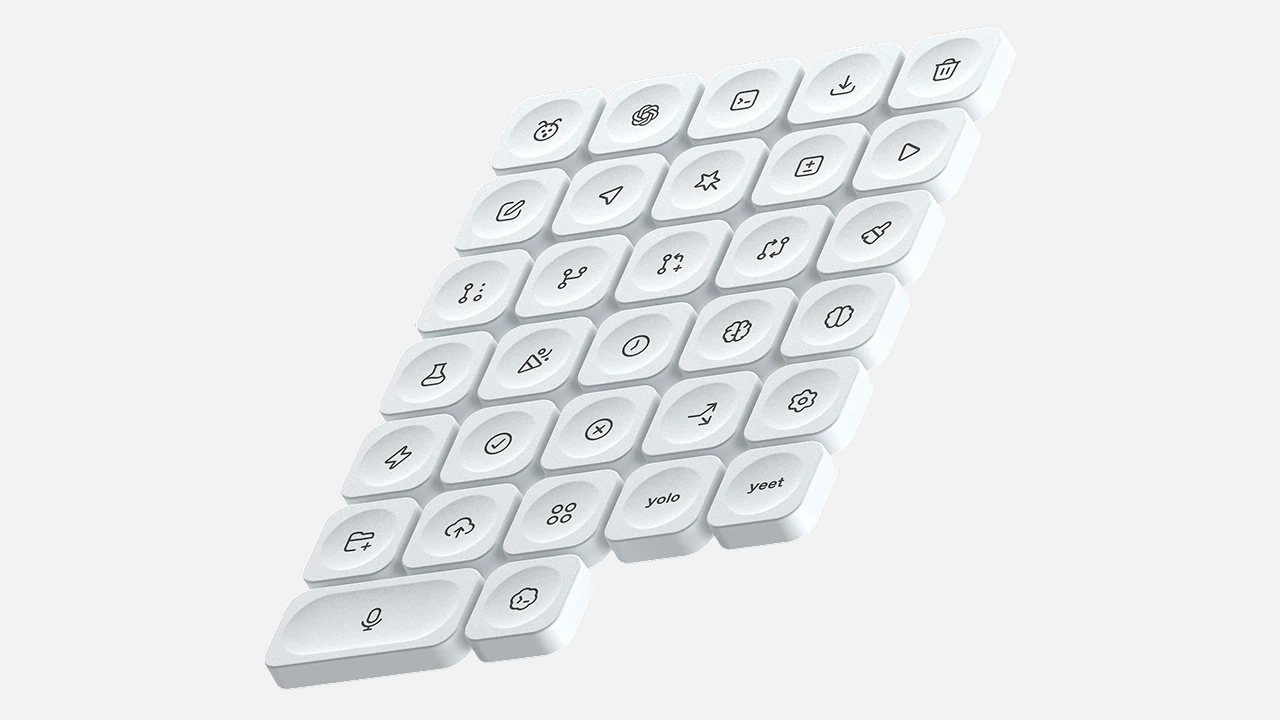
The Codex Micro supports universal connectivity via Bluetooth or USB-C and is fully compatible with macOS and Windows. Released as a limited edition priced at $230, the device highlights a pivotal industry trend: the shift from purely software-based interfaces toward hybrid interaction models, where physical control over artificial intelligence becomes the key to professional efficiency.
 Intel’s Strategic Play for Advanced Packaging Supremacy