Information retrieval is evolving beyond the simple matching of queries to existing results. We are entering the era of synthetic content, where answers can be generated by neural networks in real-time. As it approaches its 25th anniversary, Google Images is transforming from a repository of static files into a dynamic ecosystem for visual discovery. These changes signal a profound paradigm shift in how users interact with the digital realm.
Modern search is evolving from a directory of hyperlinks into a comprehensive cognitive assistant. The most significant recent milestone in this evolution is the integration of image generation directly into AI Overviews. Search summaries are no longer limited to synthesizing text; they can now generate unique visual content based on user descriptions. This transformation is driven by Nano Banana—a specialized family of graphics generation and editing models from Google DeepMind, built upon the Gemini 3 architecture.
The technological framework behind Nano Banana enables the processing of complex, multi-layered prompts, translating abstract concepts into high-fidelity visual imagery. Notably, tools once positioned exclusively as enterprise solutions are now being rolled out to the mass market. This underscores Google's strategy to democratize generative AI: by embedding content creation directly into the search interface, the company is effectively erasing the boundary between discovering existing information and creating something entirely new.
Alongside the deployment of neural networks, Google is fundamentally reimagining the concept of Google Images. The traditional paradigm of "finding a specific image" is giving way to a philosophy of visual discovery. The updated interface transforms search into an infinite, adaptive feed that updates in real-time, tailoring itself to the user's individual interests.
This strategic pivot essentially turns the search engine into a platform for inspiration and curation, bringing its functionality closer to services like Pinterest or Behance. The introduction of thematic collections—organized as intuitive tabs above the gallery—allows users to do more than just find images; they can now structure them, building their own visual knowledge bases.
From a product strategy perspective, this redesign appears to be a calculated move to maximize ecosystem retention. Rather than directing users to external resources for inspiration or ideation, Google is creating an environment where exploration and content preservation happen seamlessly. Consequently, Google Images is evolving from a mere index of web imagery into a comprehensive tool for visual management and creative expression.

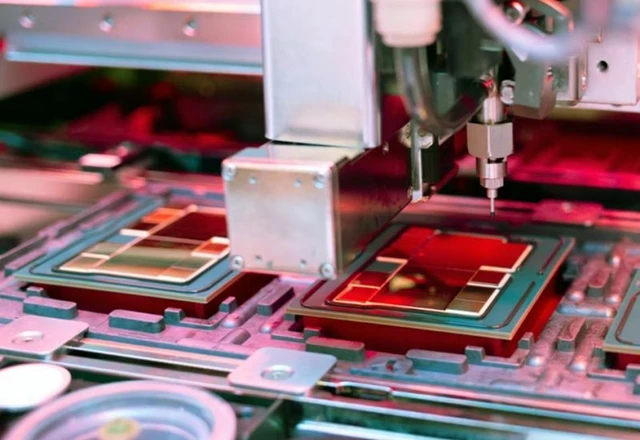 Intel’s Strategic Play for Advanced Packaging Supremacy