For years, the personal tracker market has remained firmly under the sway of Apple, which established what is effectively the gold standard for seamless device-user interaction. Now, however, the Mountain View tech giant is poised to shift the balance of power with the introduction of the Pixel Tag. This move signals Google's strategic pivot from a software-centric ecosystem toward the creation of a robust hardware counterweight to the AirTag. At the core of this strategy lies the ambition to leverage billions of Android devices, unifying them into a single, global search network.
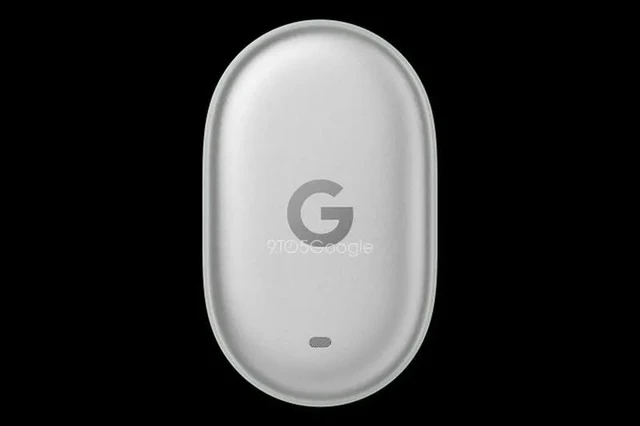
The introduction of the Pixel Tag represents a natural progression in the evolution of the Pixel lineup. First surfacing via European retailers and later corroborated by industry insiders such as 9to5Google, the device is a compact Bluetooth tracker designed to solve the perennial problem of misplaced essentials—keys, wallets, and luggage.
From a hardware perspective, the device is a sleek, durable module equipped with an integrated speaker, allowing users to pinpoint lost items via audible alerts when in close proximity. However, the true value of the Pixel Tag lies not in its physical components, but in the underlying infrastructure supporting it. The tracker leverages the Find My Device network (recently rebranded as Find Hub), effectively transforming every Android device globally into a potential beacon for locating lost assets.
This crowdsourcing model enables location tracking even over vast distances: should any Android smartphone encounter the tracker, it securely relays the coordinates back to the owner via an encrypted channel. Google is placing a heavy emphasis on privacy and data encryption to mitigate the risk of unauthorized tracking—a critical requirement for systems of this nature.
The debut of the Pixel Tag is far from an isolated event. It is expected to be a cornerstone of a broader ecosystem overhaul during the August 12 presentation. Alongside the tracker, we expect the unveiling of the next-generation Pixel 11 smartphones—including innovative foldables—as well as updated wearables and earbuds. In doing so, Google is constructing a comprehensive "protective perimeter" around the user, where each device complements the other to create a seamless, integrated experience.
While the company remains tight-lipped regarding official specifications, the market context speaks for itself: the Pixel Tag is more than just another accessory; it is a strategic maneuver to close the ecosystem gap between Android and iOS.
 Samsung M16: A New Standard for OLED Panels