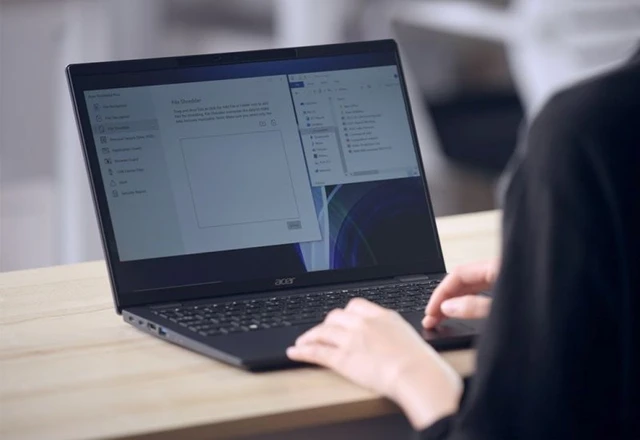
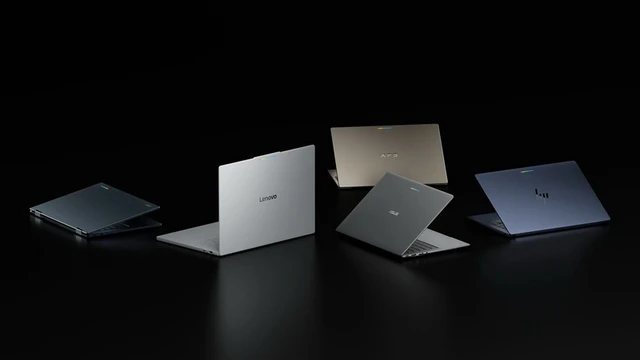
The boundary between mobile operating systems and full-scale workstations has effectively vanished. Google is taking a bold leap in redefining the laptop paradigm with the introduction of Googlebook OS—a highly optimized iteration of Android engineered to deliver a comprehensive PC experience. Industry titans, including Acer, Dell, HP, and Asus, have aligned with this strategy, unveiling hardware powered by cutting-edge silicon from Intel and Qualcomm. The focal point has shifted away from raw clock speeds toward the synergy between Neural Processing Units (NPUs) and the cloud-based intelligence of Gemini.
The debut of Googlebook OS (known internally as Aluminium OS) represents Google's strategic push toward a unified ecosystem where the smartphone and laptop operate as a single, cohesive unit. This is far more than a mere porting of applications; it is a comprehensive adaptation of the Android interface and functionality to meet the rigorous demands of professional productivity. The primary catalyst here is Gemini Intelligence—a suite of AI capabilities integrated at the system level, leveraging the hardware capabilities of modern Neural Processing Units (NPUs).
The first significant realization of this vision is the Acer Googlebook 14. The device prioritizes versatility, featuring an aluminum chassis and a 360-degree hinge that transforms the laptop into a hybrid. Under the hood, it runs Intel Core Ultra 300 series (Panther Lake) processors, where the Ultra 5 and Ultra 7 models deliver NPU performance of up to 50 TOPS—a critical threshold for running neural networks locally. The visual experience is driven by a 14-inch OLED display with a resolution of 2880 × 1800 and VESA DisplayHDR True Black certification, making it a viable tool for color-critical work.
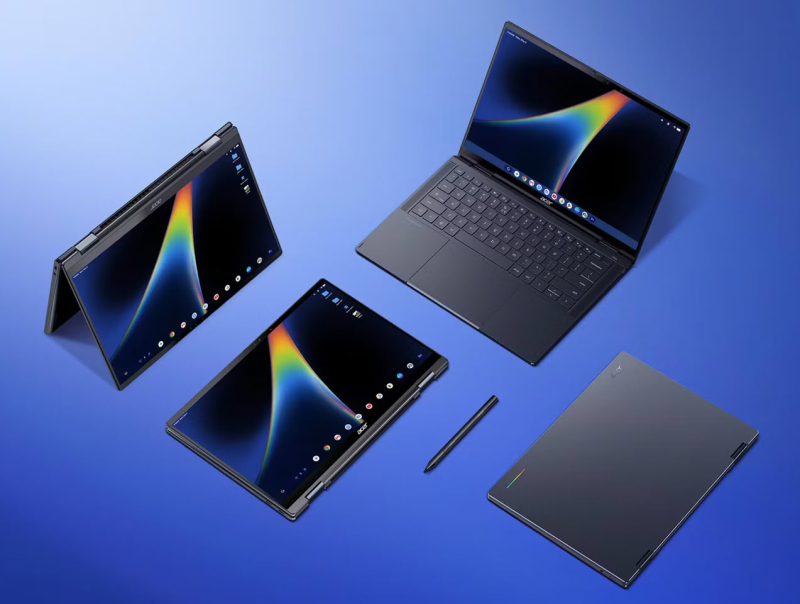
Acer’s technical stack includes up to 32 GB of high-speed LPDDR5X-7467 memory and cutting-edge PCIe 4.0 storage. Connectivity is a priority: support for Wi-Fi 7 and Bluetooth 6.0 ensures minimal latency during data transfer. Weighing just 1.14 kg, the device remains highly portable while maintaining a robust array of ports, including Thunderbolt 4.
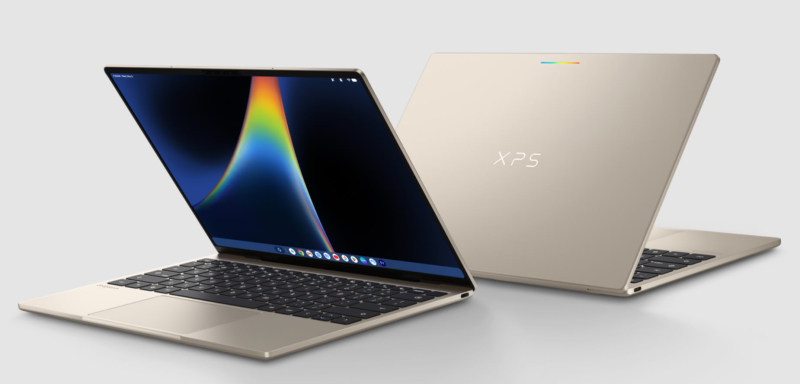
Dell takes a markedly different approach with its XPS Googlebook, shifting the focus toward extreme mobility and energy efficiency via the Qualcomm Snapdragon X Elite platform. The device weighs less than a kilogram (997g) and measures a mere 12.7mm in thickness. The InfinityEdge display, featuring 2.5K resolution and DCI-P3 coverage, reinforces the premium status of the XPS line, while a dynamic refresh rate of up to 120Hz ensures a fluid interface.
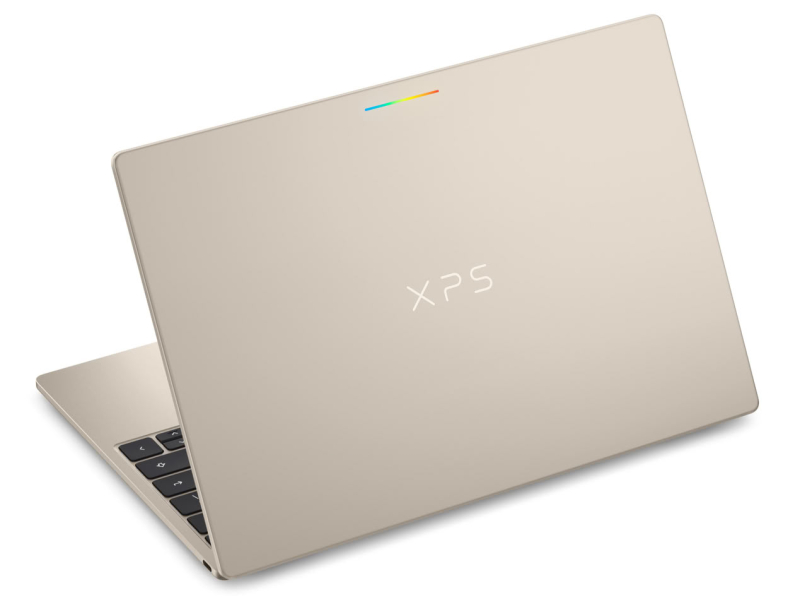
The transition to Qualcomm's ARM architecture allows Dell to claim impressive autonomy, reaching up to 16 hours of video playback, positioning the XPS Googlebook as the ideal instrument for the mobile professional.
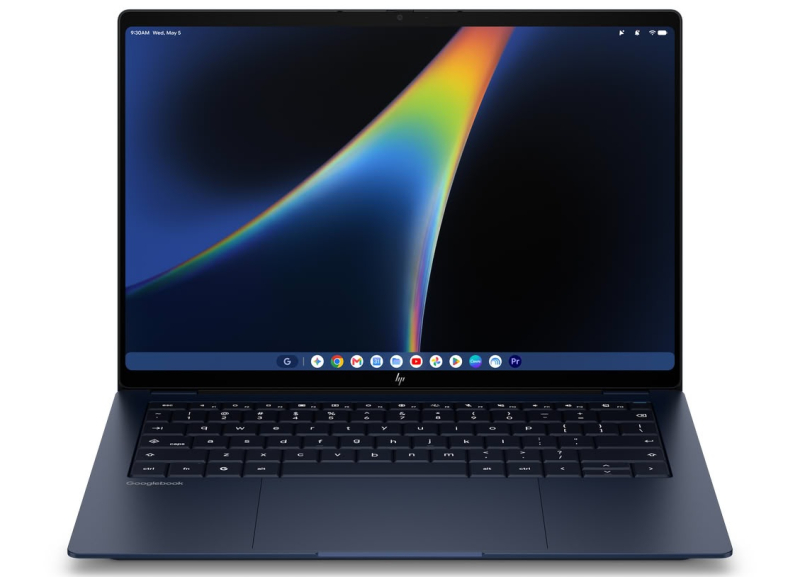
HP, for its part, has introduced a version of the Googlebook 14 that also utilizes the Snapdragon X Elite but focuses on the engineering excellence of its thermal management. With a record-breaking chassis thickness of 10.91mm, HP implemented a vapor chamber for efficient heat dissipation. The result is one of the most enduring laptops in the lineup—offering up to 19 hours of battery life, complemented by fast GaN charging via USB-C.
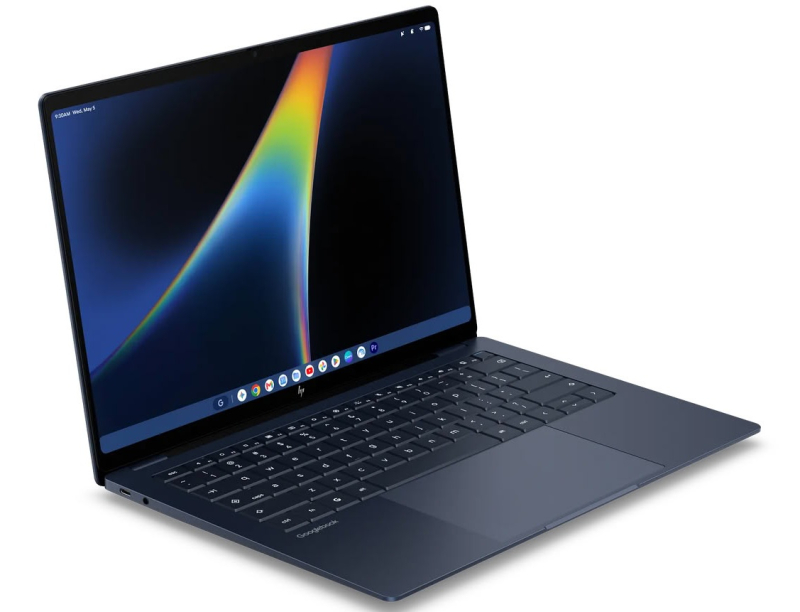
The visual experience on the HP model is delivered via a 3K OLED panel with a 120Hz refresh rate. For security and convenience, a 5MP infrared camera with facial recognition is integrated, while the ability to drive two external UHD monitors transforms this ultra-slim laptop into a full-fledged command center.
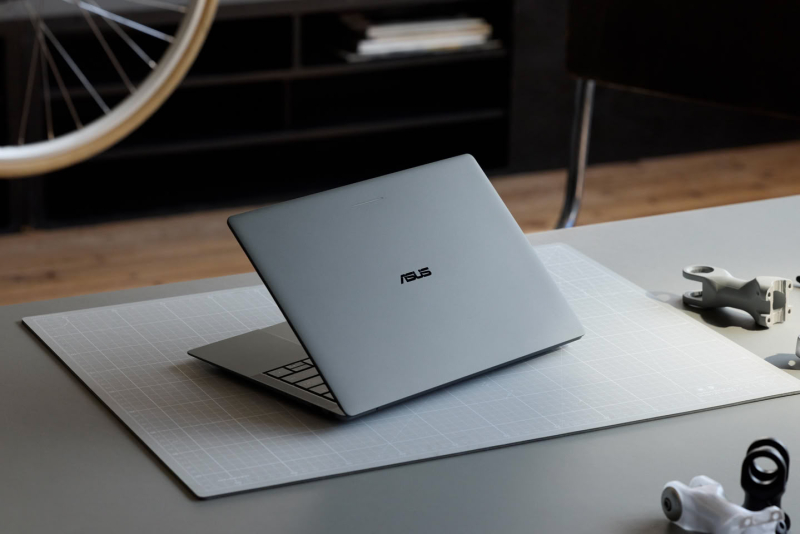
Rounding out the technological spectrum is Asus with its Googlebook 14 (CX9406CAA). Unlike its competitors who bet on Qualcomm, Asus returns to Intel, employing an 18-core Core Ultra 5 325 processor. The memory subsystem is particularly noteworthy, featuring LPDDR5X modules clocked at 8533 MHz, significantly accelerating data exchange between the CPU and RAM.
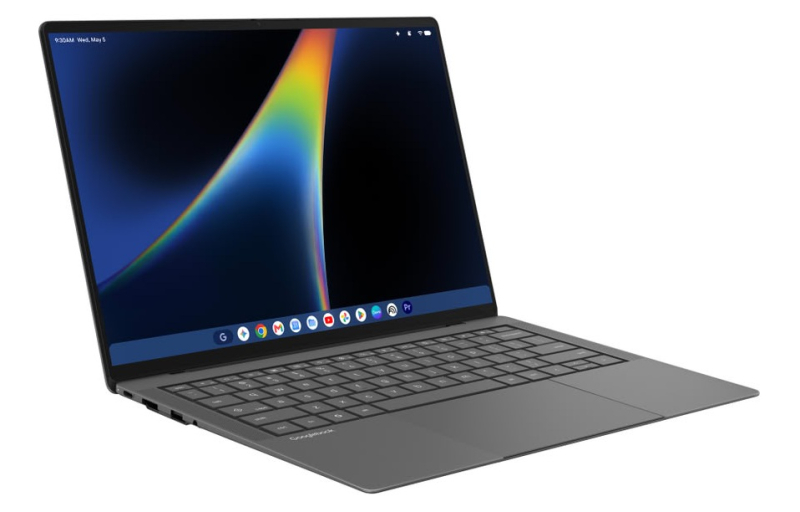
The Asus display is impressive, boasting a peak brightness of 1000 nits. Combined with a matte Corning Gorilla Glass Victus coating, it allows for comfortable operation even under direct sunlight.
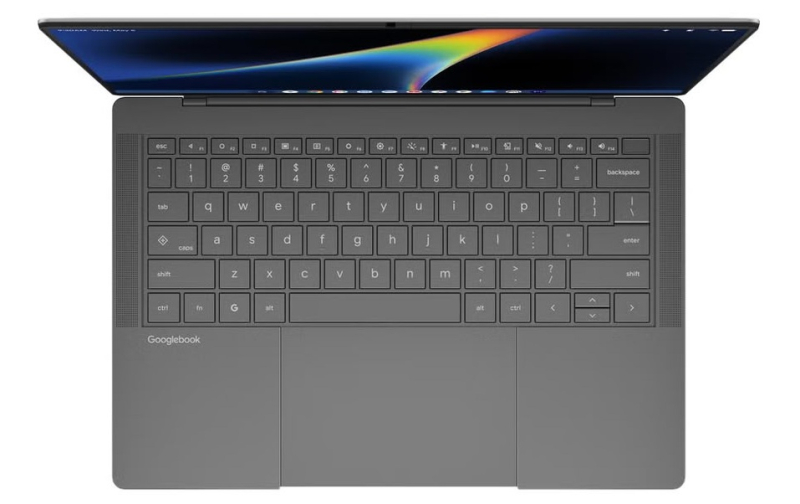
In terms of ergonomics and connectivity, Asus offers the most balanced configuration: two Thunderbolt 4 ports, classic USB Type-A, and a full-sized HDMI 2.1b. Weighing 988 grams, the device stands as one of the lightest members of the Googlebook family, blending high port density with cutting-edge Wi-Fi 7 wireless standards.
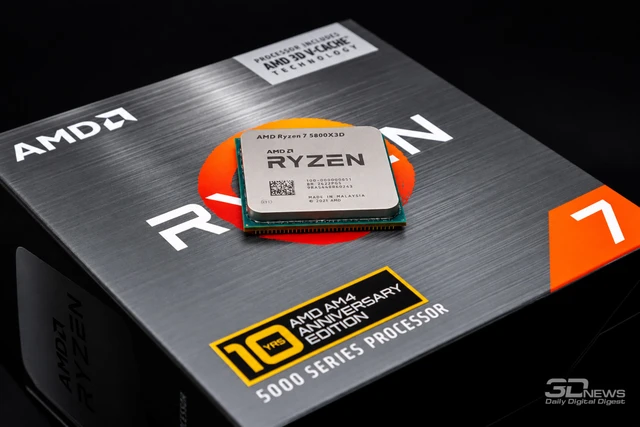 The Second Life of a Legend: Ryzen 7 5800X3D