The contemporary smartphone industry is undergoing a fundamental paradigm shift toward on-device AI execution, necessitating a radical overhaul of hardware standards. As a primary architect of this transition, Google is poised to refresh its Pixel 11 lineup by implementing significantly expanded memory capacities. This strategic pivot will inevitably drive up retail pricing and reshape the overall structure of the product portfolio. With the upcoming generation, the company is doubling down on performance, signaling a definitive departure from budget-friendly configurations.
The impending launch of the Pixel 11 series signals the death knell for the 128GB entry-level storage tier. According to the latest reports, Google is completely purging this option from its portfolio, establishing a new baseline of 256GB. This pivot is a logical evolution in the era of generative AI; modern Large Language Models (LLMs) and their associated local caches demand significantly more headroom than the standard applications of a decade ago.
The Pixel 11 lineup will maintain its quad-model structure, offering users a choice between the base model, the Pro, the larger Pro XL, and the foldable Pro Fold. While 256GB will become the universal standard across the board, power users can opt for 512GB or 1TB configurations. The sole exception is the base Pixel 11, which will not support the terabyte-class storage option.
This elevation of the hardware baseline has a direct correlation with pricing. The base Pixel 11 is now expected to start at €999, while the Pixel 11 Pro will command €1,199. The high-end tiers—the Pro XL and Pro Fold—have also seen a €100 price hike, reaching €1,399 and €1,999 respectively for their entry-level configurations. For those opting for the maximum 1TB capacity, prices will scale from €1,589 for the Pro version up to €2,389 for the Fold.
Behind this price surge lies a complex economic paradox. A primary driver is the protracted shortage of memory chips. The irony is that Google, alongside other tech titans, is contributing to this crisis by hoarding vast quantities of semiconductors to fuel the expansion of their cloud-based AI infrastructures. Consequently, the consumer smartphone market is effectively locked in a resource war with hyperscale data centers, an imbalance that inevitably pushes retail prices upward.
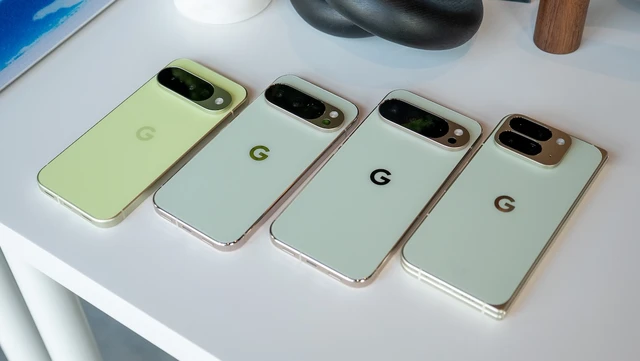
The visual identity of the new series has also been detailed. Google continues to experiment with its palette, introducing sophisticated, organic hues. The base model will be available in Light Sterling, Midnight Haze, Fuchsia, and Moss. The Pro lineup (including the XL) will adopt a more understated aesthetic with Light Fog, Midnight Haze, Dune, and Pine. The Pro Fold will be limited to two options: Midnight Haze and Pine. Notably, the exclusive 1TB editions will be available only in the deep black Midnight Haze, while the Dune shade will take on distinct pink undertones in this generation.
The unveiling of the Pixel 11 ecosystem is expected in the first half of August 2026, with devices hitting the market in the latter half of the same month.
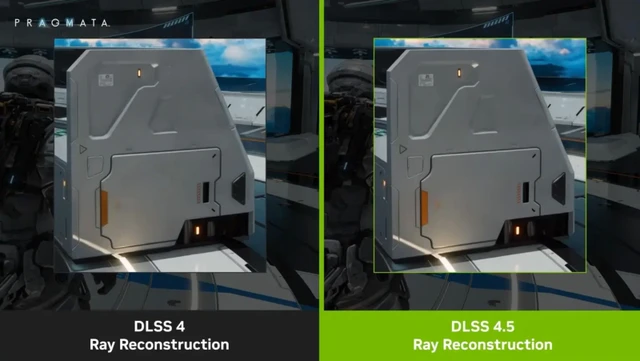 The Evolution of Rendering in DLSS 4.5