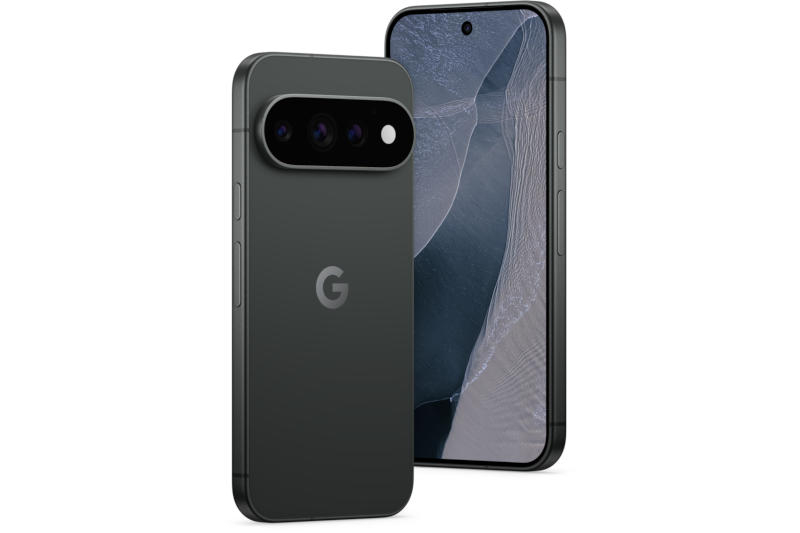
The mobile industry has definitively transitioned from the era of the megapixel race into the age of deep machine learning, where hardware is no longer the end goal but the bedrock upon which neural network ambitions are realized. Google’s latest Pixel 11 generation transforms the smartphone into a comprehensive terminal for seamless interaction with Gemini AI. This is far more than a mere iterative update to specifications; it is an ambitious attempt to forge a truly adaptive tool characterized by an unprecedented support lifecycle. At the core of this evolution lies the synergy between the new Tensor G6 chip and cutting-edge interaction interfaces.
The Google Pixel 11 series—comprising the base model, the Pro, and the enlarged Pro XL—represents an evolutionary shift in design paired with a radical overhaul of its internal architecture. All devices ship with Android 17, backed by a commitment to a long-term support strategy: seven years of OS updates and security patches, effectively transforming the smartphone into a durable, long-term asset. Visually, the devices maintain the brand's signature aesthetic, though the camera housing has been redesigned to optimize optical performance.
The display strategy is tiered by technological sophistication. The base Pixel 11 features a 6.3-inch Actua OLED screen with peak brightness reaching 3,000 nits, ensuring exceptional legibility even under direct sunlight. The Pro versions utilize a Super Actua panel based on LTPO OLED technology, allowing for a dynamic refresh rate ranging from 1 to 120 Hz to optimize power consumption. The top-tier Pro XL offers the largest footprint with a 6.8-inch diagonal and increased resolution, creating an ideal canvas for content creation and multitasking.
At the heart of these devices lies the Tensor G6 processor, bolstered by the Titan M3 security coprocessor. Unlike its predecessors, this chip was engineered for deep integration with Google DeepMind models. A 25% boost in web-browsing performance and a 15% acceleration in app launch times are merely the tip of the iceberg. The crowning achievement is a 50% increase in TPU (Tensor Processing Unit) throughput, enabling more complex Gemini Nano tasks to be handled directly on-device, thereby minimizing latency during request processing.
AI capabilities are now woven into everyday tools: Gboard can autonomously scrub filler words from dictation and adapt text styles to match the user's persona. Particularly noteworthy is the sign-language-to-text translation feature which, while currently limited to English, opens new horizons for accessibility. Furthermore, the Circle to Search tool is now integrated directly into the camera interface, blurring the line between information retrieval and visual perception of the world.
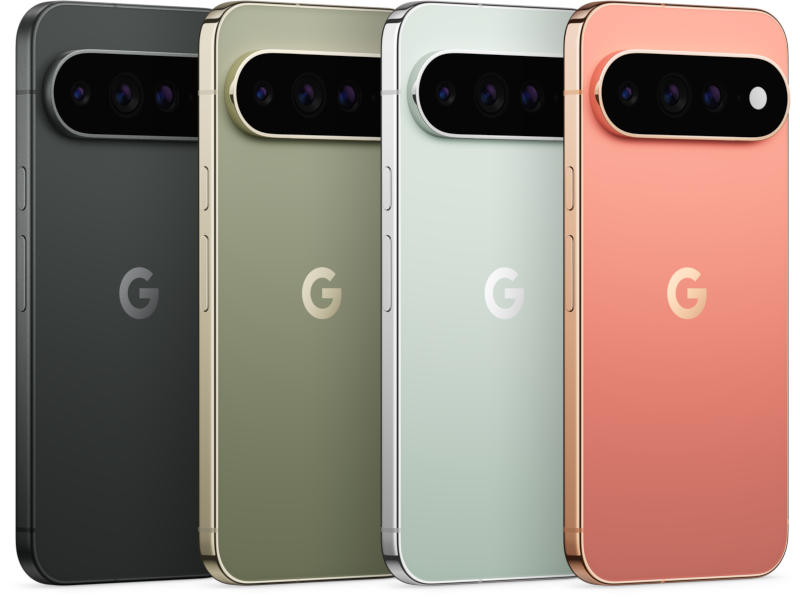
The optical system remains the primary differentiator within the lineup. The base model relies on a 48-megapixel main sensor with an f/1.70 aperture, complemented by an ultra-wide module and a telephoto lens with 5x optical zoom. However, the Pro versions elevate mobile photography to a new echelon: they feature a larger sensor (1/1.3 inches) with an f/1.68 aperture, while the Pro Zoom system achieves up to 120x magnification by leveraging sophisticated computational photography algorithms.
A sophisticated touch in the Pro models is the HiLight system—an RGB LED ring surrounding the flash. This is not merely an aesthetic flourish but a functional indicator for notifications and AI status. When the phone is placed face-down, the lighting signals calls from priority contacts or indicates the processing phase of a Gemini assistant request, bringing the concept of light-based notifications into a modern context.
Battery life is rated for 30 hours across all models. Capacities range from 4,850 mAh in the Pro version to 5,115 mAh in the XL model. Significant attention has been paid to thermal management: the Pro smartphones implement vapor chambers that efficiently dissipate heat from the Tensor G6 and the battery, preventing thermal throttling under heavy workloads. Charging has become faster and more intuitive thanks to the Pixelsnap system with Qi2.2 support, providing magnetic alignment and power delivery up to 25W.
The technical stack is further enhanced by Zoned UFS technology for storage, which substantially extends memory lifespan and maintains high read/write speeds even as the drive fills up. The Pro models include Wi-Fi 7 support and an Ultra-Wideband (UWB) chip, ensuring maximum compatibility with the smart device ecosystem.
The economic barrier to entry for the Pixel 11 ecosystem has risen slightly: the base model starts at $899, while the flagship Pro XL reaches $1,299. This $100 price increase over the previous generation reflects the rising cost of components and Google's strategic pivot toward the premium segment, where value is defined not so much by raw hardware as by the quality of the intellectual interaction with the user.
 Anthropic’s Strategic Push for Hardware Independence