The wearables market is undergoing a paradigm shift, evolving from basic data aggregation toward sophisticated, proactive, real-time health analytics. Samsung continues to refine its ecosystem, seeking the optimal equilibrium between sleek industrial design and raw computational performance. The forthcoming launch of the Galaxy Watch 9 represents a pivotal milestone in the evolution of on-device intelligence for wearables; by integrating cutting-edge silicon, Samsung is shifting complex neural network processing away from the smartphone and directly onto the user's wrist.
The defining shift in Samsung's latest wearable iteration is a radical overhaul of its hardware architecture. Moving away from proprietary Exynos solutions, the company has integrated the Snapdragon Wear Elite chip, engineered on a cutting-edge 3-nanometer process. This transition does more than just deliver a 50% boost in raw performance; it fundamentally alters the user interaction paradigm. Thanks to a dedicated Neural Processing Unit (NPU), the watch is now capable of executing complex AI models locally. Consequently, advanced fitness tracking and intelligent data analytics are available in real-time, maintaining full functionality even when disconnected from a smartphone.
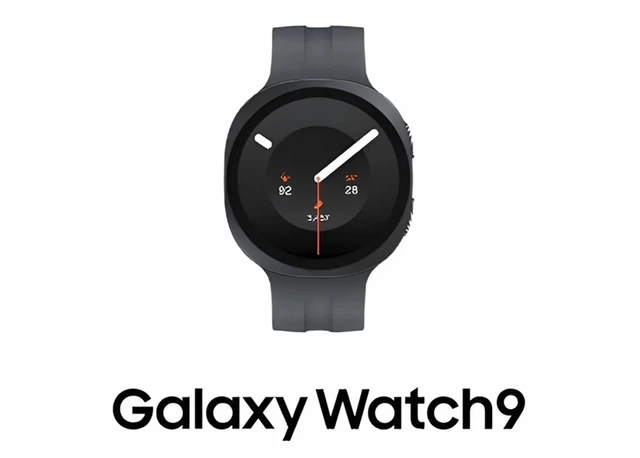
Regarding industrial design, Samsung has opted for continuity. The aesthetic of the Galaxy Watch 9 remains conservative, with the chassis geometry and physical control layout remaining virtually unchanged from the previous generation. Instead, the emphasis has shifted toward tactile and visual refinement; the device will be available in four matte colorways: classic black, deep navy, olive green, and pristine white.
The functional evolution leans heavily toward medical monitoring and preventative diagnostics. Central to this is the Vitals panel, which serves as a comprehensive hub for biometric data, providing immediate alerts for any deviations from health norms. The device's toolkit now includes sleep apnea monitoring and an intelligent running coach that transcends simple distance tracking by providing adaptive, step-by-step instructions based on the user's progress.
Battery autonomy remains one of the most critical pain points for wearable electronics. While official battery data has yet to be confirmed, technical specifications suggest a marginal increase in capacity: up to 325 mAh for the compact 40mm version and 445 mAh for the 44mm model. Despite a modest gain of only 10 mAh over its predecessor, the synergy between the energy-efficient 3nm chipset and optimized software is expected to ensure significantly more stable and reliable operating times.
 The Evolution of Ultrabooks: Driven by Solid-State Cooling