The meteoric rise of generative AI is fundamentally reshaping the very nature of software engineering. In an era where neural networks are assuming the burden of routine coding, the value of a specialist is shifting away from technical execution toward the strategic orchestration of product vision. Traditional job descriptions are becoming increasingly restrictive, giving way to fluid, cross-functional roles. This transition marks the dawn of the "generalist" era—a paradigm where holistic problem-solving aptitude outweighs narrow professional specialization.
The software development lifecycle is undergoing a profound transformation. Observations of internal processes within leading AI labs, such as Anthropic, reveal that the boundaries between engineer, designer, and product manager are rapidly dissolving. It has become evident that individuals with vastly different degrees and backgrounds often perform the same fundamental tasks. This shift has given rise to a new conceptual framework: classifying employees not by their formal specialty, but by their actual functional contribution to the product.
In this new paradigm, five key archetypes emerge as the primary drivers of any digital service's evolution.
The first is the Prototyper. A visionary and experimenter, the Prototyper’s mission is to materialize ideas with maximum velocity. Their work is characterized by high speed and a low cost of failure; while most of their prototypes will never reach production, it is precisely through these iterations that the correct strategic direction is discovered.
Once an idea is validated, the Builder takes over. This archetype transforms a raw, often unstable prototype into a fully realized product or infrastructure ready for production deployment. If the Prototyper seeks to answer "what should we build?", the Builder answers "how do we make it reliable?"
The third critical element is the Sweeper. In an environment of rapid growth, technical debt and visual noise inevitably accumulate. The Sweeper handles the "cleanup": optimizing performance, simplifying redundant code, and stripping interfaces of unnecessary clutter. This role ensures the product maintains its clarity and elegance.
As the product hits the market, the roles of the Grower and Maintainer become paramount. The Grower focuses on adapting the product to user demands, refining functionality to achieve a perfect product-market fit. Meanwhile, the Maintainer assumes responsibility for the mature system, guaranteeing its security, stability, and ability to scale under increasing loads.
The most vital aspect of this model is its fluidity. Roles are not permanently tethered to a specific person; a single specialist may embody two or three archetypes depending on the project's current phase. A healthy team represents a strategic mix of these functions that evolves as the product matures. In the early stages, Prototypers, Builders, and Sweepers dominate. As the product gains traction, the emphasis shifts toward Growers and Maintainers to sustain growth without sacrificing quality.
This shift is occurring against a backdrop of a broader crisis in traditional development management. Classic PRDs (Product Requirements Documents)—detailed specifications of requirements—are losing their relevance. Instead of multi-page documents, teams are moving toward creating dozens of working prototypes, which serve as a far more accurate description of functionality than any text could provide.
However, the transition to a role-based model is not without risks. There is a danger that these archetypes could harden into new rigid labels: a specialist might identify too strongly with one role and cease evolving in other directions, even though the essence of this approach is flexibility.
The defining question for modern organizations is whether they are prepared to overhaul their hiring systems and organizational structures. If professional boundaries are truly blurring, then traditional resume entries listing specific programming languages or design methodologies will carry far less weight than a proven ability to operate effectively as a Prototyper or a Sweeper.

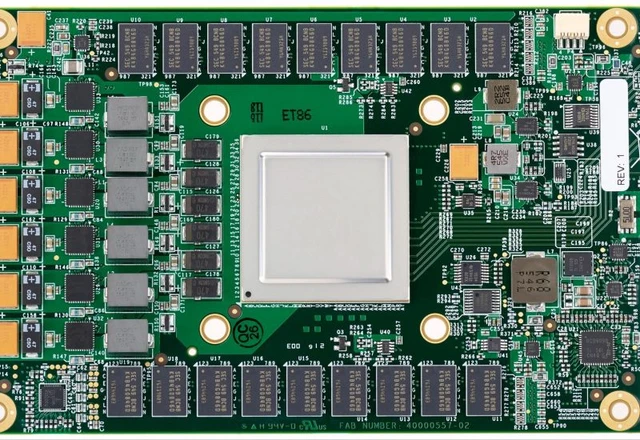 Anthropic’s Strategic Push for Hardware Independence