The global AI arms race has fundamentally shifted from the realm of pure software engineering to the domain of physical infrastructure and digital sovereignty. While American behemoths continue to dominate the landscape, Europe is forging its own path toward technological autonomy. The French startup Mistral AI has emerged as a pivotal figure in this transition, mobilizing massive resources to develop a viable alternative technology stack. A fresh surge of investment and a skyrocketing valuation underscore the company's ambition to serve as a formidable counterweight to the likes of OpenAI and Anthropic.
The generative AI landscape is currently undergoing a phase of consolidation, where the primary metric of success has shifted from algorithmic sophistication alone to the sheer scale of available compute capacity. In this environment, Mistral AI is experiencing a meteoric rise, having secured €3 billion in investment, propelling its valuation to a staggering €21 billion. Samsung's leading role in this funding round underscores the strategic interest global tech giants have in the European sector, which is increasingly striving for autonomy from US-based cloud services.
Mistral AI’s strategy transcends the mere creation of chatbots. The company is betting on "Industrial AI"—the deep integration of neural networks into tangible production cycles. This approach shifts the technology from general-purpose applications toward concrete business solutions for heavy industry and high-tech manufacturing. This strategic pivot explains why giants such as Airbus, BMW, and ASML have joined its ranks as key partners and investors. These collaborations are transforming Mistral from an ambitious startup into a system integrator capable of ensuring the technological resilience of European business.
However, the development of Large Language Models (LLMs) demands more than just intellectual capital; it requires massive physical resources. To realize its ambitions, Mistral AI is pivoting toward building its own infrastructure to minimize reliance on third-party providers. This year, the company secured $830 million in debt financing to construct a specialized data center near Paris, equipped with Nvidia hardware. Simultaneously, another €1.2 billion has been allocated for a computing center in Sweden, marking the company's first expansion beyond French borders and the beginning of its push into Northern Europe.
The foundation of Mistral AI was laid by alumni of the world's premier research labs: Arthur Mensch from Google DeepMind, alongside Timothy Lacroix and Guillaume Lample from Meta. This pedigree provided the company with the technical expertise necessary to develop open models that serve as a viable alternative to closed ecosystems. This philosophy of openness allows Mistral to garner support from European governments, who view the company as a strategic bulwark against the digital hegemony of the US and China.
Today, Mistral AI stands at a crossroads between being a local champion and a global powerhouse. Plans to expand its presence in the US and Asia indicate that the company does not intend to remain a mere "European sanctuary." By aggressively acquiring physical assets and establishing independent infrastructure, Mistral is evolving into a true technological sovereign, capable of dictating terms in the most competitive industry of the decade.

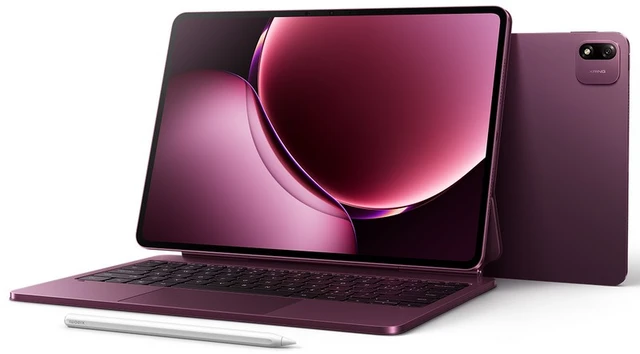 Power and Poise: The Xiaomi Pad 9 Pro Max