The modern world has fallen captive to dopamine loops and algorithms engineered for the total capture of human attention. The smartphone is no longer merely a tool for communication; it has morphed into the primary engine of cognitive noise and digital dependency. In response to this systemic crisis, there is a growing demand for mindful technology consumption and the reclamation of personal agency over time. Light Flip emerges as the physical manifestation of this philosophy, proposing a radical reimagining of device interaction through the lens of functional minimalism.
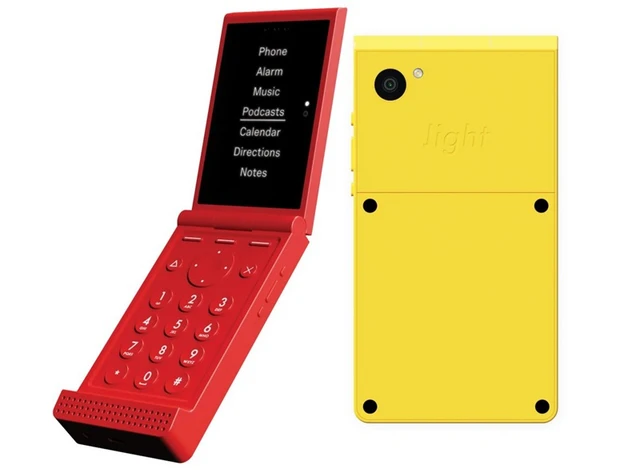
The emergence of the Light Flip marks a deliberate effort to resolve the dichotomy between primitive "feature phones" and the bloated ecosystems of modern flagships. While the industry continues its relentless pursuit of larger screens and increasingly complex interfaces, this device bets on the tactile experience of the classic clamshell. This is not merely a nostalgic gesture, but a conscious choice in favor of the physical separation of states: a closed phone signifies the end of communication and a return to reality.
At the core of the device lies LightOS—an operating system built on the principle of subtraction. It has been completely stripped of web browsers, social networks, and any mechanisms designed to trigger addiction or distract the user from the present moment. In place of infinite news feeds, the user is provided with a curated set of utilities for essential productivity: a calendar, notes, a calculator, and a full-featured 2FA authenticator. This allows the device to serve as a primary security tool without the need to constantly engage with a "noisy" smartphone.
The approach to extensibility is particularly noteworthy. To prevent the device from becoming a closed "black box," a dedicated developer environment has been integrated. This paves the way for the creation of open-source tools evolved by a community of like-minded individuals who share the ethos of digital detox. Consequently, system flexibility is achieved not through marketing add-ons, but through transparency and community contribution.
Technically, the Light Flip strikes a surprising balance between modest requirements and robust hardware. The use of a 4-nanometer MediaTek MT8873 processor paired with 6 GB of LPDDR4X RAM may seem like overkill for a browserless device; however, this level of performance guarantees seamless interface fluidity and long-term system viability. A 2.8-inch matte OLED display with a resolution of 480 × 640 pixels minimizes visual fatigue and reduces eye strain, reinforcing the utilitarian nature of the device.
The physical specifications underscore a commitment to autonomy and repairability—virtues that have largely vanished from the modern mainstream. A removable 1800 mAh battery allows for an instantaneous power swap, while the inclusion of a 3.5mm audio jack and dual SIM support renders the device a fully functional communication tool in any environment. Completing the technical profile is a 50-megapixel camera, designed to capture life's essential moments without turning photography into an endless cycle of editing and social media publishing.
The Light Flip is scheduled for market release in Spring 2027 with a price tag of $299. Available in a broad color palette—ranging from austere black to expressive yellow—the device is positioned not merely as a gadget, but as an instrument for reclaiming mental well-being in an era of total digitalization.
 Energy Autonomy: The Extreme Edition