For years, the vision of a fully functional home assistant remained the exclusive domain of science fiction or prohibitively expensive laboratory prototypes. Today, the industry is pivoting sharply toward mass accessibility, striving to transition sophisticated technologies into the domestic sphere. Nori Robotics is taking a bold leap forward with the introduction of the A3, a model designed to blur the line between an elite luxury gadget and a practical household utility. This project serves as a critical litmus test for the viability of affordable humanoid systems.
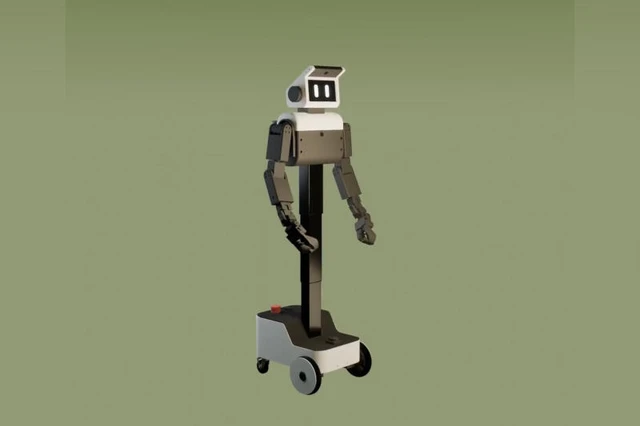
The debut of the Nori A3 marks an ambitious attempt to transition humanoid robotics from the realm of technical demonstrations into the tangible consumer market. Priced at $1,688, the device occupies a unique niche, offering functionality that was previously reserved for prohibitively expensive enterprise solutions. Rather than chasing the complexity and instability of bipedal locomotion, the developers have opted for a pragmatic approach, equipping the robot with a wheeled base. This design choice significantly enhances energy efficiency and stability—factors that are critical for navigating the confined spaces of a home or office.
The technical prowess of the Nori A3 is concentrated in its manipulation capabilities. With 19 degrees of freedom, the robot can emulate complex human movements. Despite its compact footprint, the machine demonstrates impressive load-bearing performance: it can hold up to 1.5 kg with arms extended and lift objects weighing up to 55 kg vertically. Such specifications enable the automation of routine domestic tasks—from retrieving items from a refrigerator and pouring drinks to loading a dishwasher and sorting laundry.
The device offers an operational autonomy of six to eight hours, roughly mirroring a human workday. However, the true value of the Nori A3 lies not so much in its hardware as in the ecosystem built around it. Integration with the Skill Marketplace transforms the robot into an open platform; owners can not only download pre-configured behavioral scripts but also publish their own skills, effectively creating a collective intelligence for machine learning. For deep configuration and management, the specialized Nori Lab software migrates the training process into a familiar PC interface.
Spatial awareness is driven by a combination of radar and four 720p cameras, strategically positioned across the head, neck, and manipulators. This setup provides the necessary level of situational awareness for precise object interaction. A voice interface, implemented via a standard microphone and speaker array, makes interaction intuitive, removing the need for constant manual control.
Nevertheless, such aggressive pricing inevitably necessitates certain compromises. Limited movement speed and potential structural fragility may become bottlenecks during intensive use. The Nori A3 does not claim to be a universal android capable of replacing humans in every capacity, but it does establish a new benchmark for accessibility. In a segment where competition is virtually non-existent, this robot represents the first serious step toward evolving home assistants from expensive novelties into functional household appliances.
 Anthropic’s Strategic Push for Hardware Independence