The migration to new operating systems frequently proves to be a formidable ordeal for millions of users worldwide. The stringent system requirements of Windows 11, coupled with the escalating cost of hardware, have erected a barrier that marketing alone cannot dismantle. In response, Microsoft has made a strategic pivot, extending the lifecycle of its previous flagship OS. This move underscores the delicate equilibrium between the company’s ambition to modernize its ecosystem and the critical imperative of maintaining global cybersecurity.
In the software industry, "End of Life" (EOL) marks the critical juncture where a product ceases to receive updates, effectively transforming it into a potential security liability. For Windows 10, this threshold was originally set for late 2025. However, market realities have dictated a different course: millions of devices remain technically compatible with Windows 10 but fail the stringent hardware requirements of Windows 11—most notably regarding TPM 2.0 modules and CPU generation mandates.
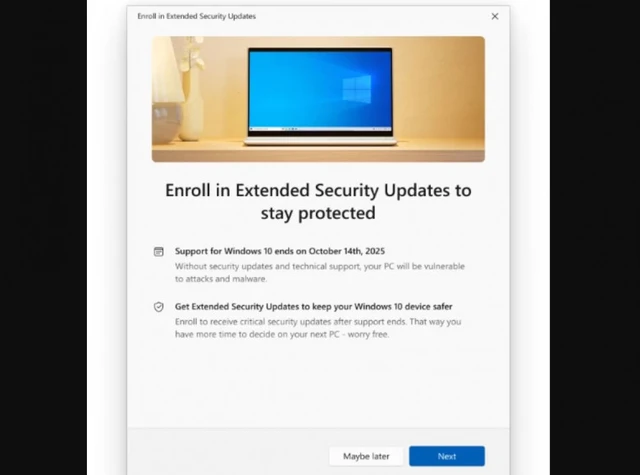
Initially, Microsoft planned to offer users only a single year of additional support via its Extended Security Updates (ESU) program. Now, the company is effectively doubling that window, pushing the final sunset date to October 12, 2027. This shift transforms the ESU from a temporary stopgap into a comprehensive bridge for those unable or unwilling to overhaul their hardware fleets immediately.
Historically, the ESU program was an exclusive, paid instrument reserved for the enterprise sector. Large organizations relying on legacy software that functioned only on older OS versions paid a premium to receive critical security patches long after official support had lapsed. In the case of Windows 10, Microsoft has taken an unprecedented step by opening this program to home users, essentially providing security updates free of charge.
This gesture is rooted in pragmatic calculation. In an era of skyrocketing electronics prices and the high cost of Surface devices, forcing hundreds of millions of people into a hardware migration is utopian at best. Leaving such a massive segment of the user base vulnerable to exploits and malware would create a global cybersecurity threat that Microsoft simply cannot afford.
However, this extension of support has clear boundaries. The ESU program is tailored exclusively for personal devices. Systems integrated into corporate Active Directory domains or managed via Mobile Device Management (MDM) remain outside this simplified regime, although devices registered in Microsoft Entra maintain compatibility.
It is intriguing to observe how the company has begun subtly throttling the functionality of the legacy system to incentivize migration. On Windows 10 devices not enrolled in the ESU program, the ability to pause updates has already begun to disappear. The "Pause updates for 7 days" option is becoming inactive—a clear signal that the era of flexible system management is ending. For these users, the only path toward stability is either a migration to the new OS or registration in the extended support program.
 The Price of Acceleration: CXMT’s Rapid Push into Memory