The global AI surge has triggered seismic shifts across semiconductor supply chains. An acute shortage of high-performance memory, fueled by the rapid expansion of data centers, has sent unexpected shockwaves through Apple’s consumer division. Even aggressive pricing strategies have failed to reconcile the imbalance between supply and demand within the laptop market. This crisis underscores a critical vulnerability: the precarious reliance of modern electronics on bottlenecked memory production infrastructure.
The contemporary tech industry is grappling with a stark paradox: the meteoric rise of generative AI has triggered an insatiable demand for High Bandwidth Memory (HBM). Because HBM production consumes vast resources and capacity previously allocated to standard DDR5 modules and SSDs, a domino effect has ensued. Production lines have pivoted toward the needs of server giants, resulting in a contraction of available RAM and storage for the mass market.
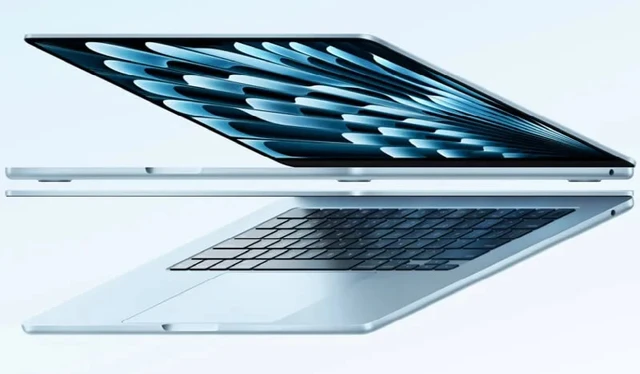
Apple finds itself in the eye of this storm. Despite its status as one of the industry's titans, the company is facing unprecedented supply chain headwinds regarding the MacBook Air. Lead times have stretched to a month, and retail networks are reporting the most acute shortage in the model's sales history.
Apple’s attempts to mitigate the crisis through pricing strategies have proven largely ineffective. Over several months, base configurations of the MacBook Air saw incremental price hikes: first climbing from $999 to $1,099, and eventually reaching $1,299. To justify these increases and partially appease dissatisfied users, Apple bumped the base storage from 256GB to 512GB. However, physical component shortages have outpaced price regulation—even at a premium, laptops are vanishing from shelves.
The severity of the crisis is further evidenced by a shift in marketing strategy. In campaigns targeting students, Apple has—for the first time in years—included a disclaimer stating that MacBook Air availability is subject to stock levels. Typically, the company avoids such caveats for models mid-way through their lifecycle, confirming the systemic nature of these supply disruptions.
Apple's internal prioritization is further exacerbating the situation. Faced with limited resources, the company has prioritized the production of M5-powered 14-inch MacBook Pros to ensure flagship availability before the debut of the next-generation M6. This shift has inevitably pushed back the refresh cycle for the MacBook Air lineup.
To stabilize operations, Apple is exploring ways to diversify its supply chain, including seeking new memory production partners in China, particularly for local markets. However, analysts view this as a mere stopgap. In the coming years, the industry will continue to battle for memory resources, potentially triggering new waves of shortages and driving up costs across the entire Mac ecosystem.
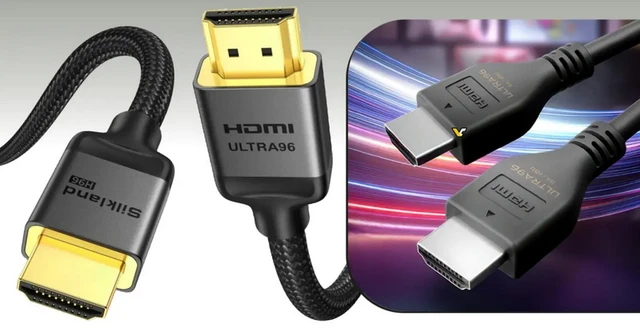 HDMI 2.2: The New Standard for Data Transmission