The global electronics market is entering a new cycle of price volatility. The aggressive expansion of AI infrastructure is absorbing resources at a pace that far outstrips the industry's ability to scale production. This pressure has now cascaded into the aluminum electrolytic capacitor segment—components critical to power stabilization. The decision by leading Japanese suppliers to raise prices signals a systemic shift in the fundamental balance of supply and demand.
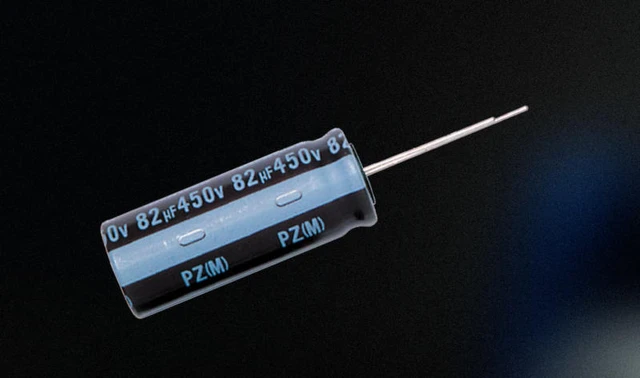
The passive components industry is entering a period of significant turbulence. Leading Japanese players, most notably Nippon Chemi-Con and Nichicon, have announced a comprehensive price revision across their entire portfolio of aluminum electrolytic capacitors. While initial projections suggested an increase of 9–12%, it is highly probable that the final hike will reach 15%. This trend is expected to act as a catalyst for similar moves by Taiwanese manufacturers, triggering a domino effect throughout the electronics supply chain.
This crisis did not emerge in isolation; aluminum electrolytics are the latest segment to experience price inflation, following in the footsteps of multilayer ceramic (MLCC) and tantalum capacitors. The drivers are multifaceted. On one hand, the industry is grappling with a sharp spike in raw material costs: chemical precursors have surged by 30–40%, while metals have risen by 10%. This is further exacerbated by geopolitical instability in the Middle East, which directly impacts logistics and the cost of aluminum foil.
However, the fundamental driver of these price hikes is the paradigm shift in computing. The surging demand for AI servers, high-performance computing (HPC) clusters, and next-generation power delivery systems has placed an unprecedented strain on manufacturing capacities.
Aluminum electrolytic capacitors play a pivotal role in server power supply units, providing essential noise filtering and voltage ripple smoothing. As the power requirements of AI accelerators grow exponentially, the need for high-reliability, premium-grade components has become critical. This explains why the "Big Three" Japanese giants—Nippon Chemi-Con, Nichicon, and Rubycon—find themselves at the center of the storm: their products are the gold standard for the power systems of the most advanced server hardware.
The outlook for the coming years suggests a persistent shortage. With the full-scale production of Nvidia’s next-generation Vera Rubin platform slated for the second half of 2026, Japanese suppliers will likely be forced to further reallocate their production capacity in favor of the AI segment.
Such a shift in priorities will create a supply void for traditional electronics sectors unrelated to artificial intelligence. In this environment, Taiwanese manufacturers may find a strategic opening, capturing orders from companies pushed to the back of the priority queue by Japanese vendors. Ultimately, the leap in neural network technology is reconfiguring not only the software landscape but the very physical economy of basic electronic component manufacturing.
 The Speed Limits of Modern Gaming Displays